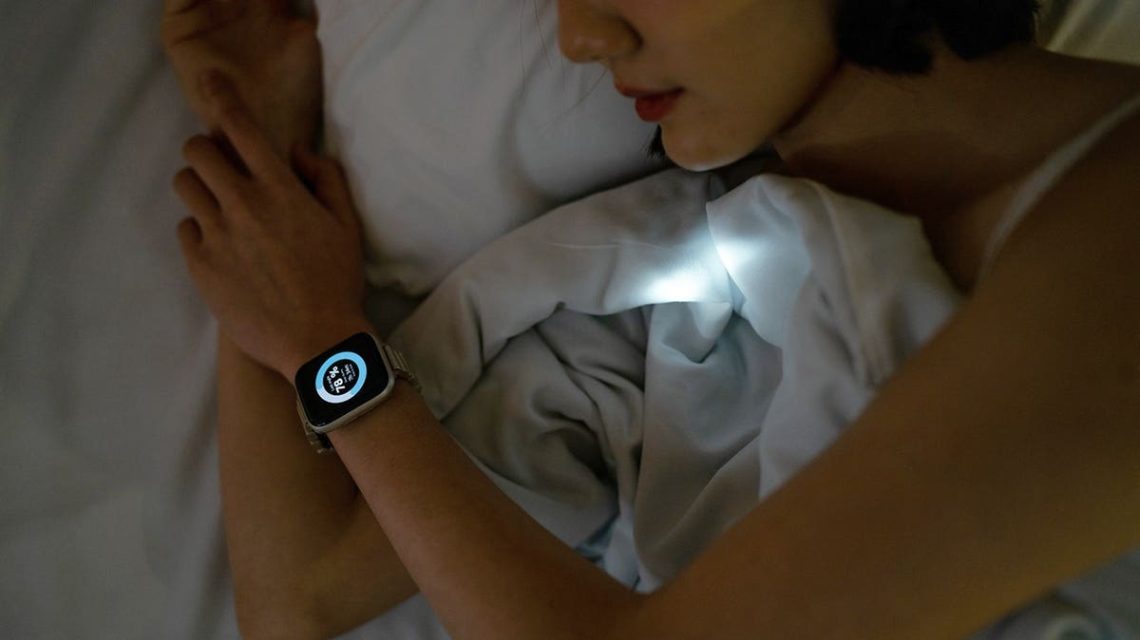
Wearable devices such as smartwatches and rings are increasingly popular for tracking health metrics. These tools can monitor sleep, steps, heart rate, temperature, and stress levels.
In a recent segment on “Fox & Friends,” Fox News’ Brian Kilmeade used an Oura ring to track his health metrics from early morning through a busy workday. He shared his experiences live, noting, “I just got four hours and one minute of sleep, but I have some REM sleep, 14%, over 20% of deep sleep. Feeling pretty good, I feel pretty fresh,” during an early morning update.
The device tracked Kilmeade’s physiological responses throughout the day, including during stressful moments on television and physical activities. He commented on the realtime data, “You see the stress level spike just a little bit… as I make my way over to radio, my activity is going to pick up.” By the end of his day, which included a trip to West Point and several hours in a car, the ring summarized his activity levels and heart rate stability.
Dr. Craig Basman, a cardiologist from New Jersey, appeared on the program to discuss the data’s clinical significance. He addressed Kilmeade’s lack of sleep and advised using the data for lifestyle improvements. Dr. Basman emphasized the potential of these devices, stating that they “are changing the landscape of cardiology” with bright prospects for preventative care and the detection of cardiovascular issues.
Dr. Basman also highlighted the accuracy of wearable technology, citing “robust data” showing that the metrics such as resting heart rate and heart rate variability are generally very precise. He mentioned that some wearables can detect serious conditions like atrial fibrillation, which often goes unnoticed during regular exams.
For younger individuals, wearables can be essential in primary prevention. This is vital since plaque can start forming in the arteries early in life. In older adults, these devices mainly function as tools for screening existing cardiac conditions.
Consulting a doctor for medical advice about data from wearable devices is recommended. These technologies offer promising tools for both health monitoring and encouraging proactive lifestyle changes.
 Personal Journey in Understanding Neurodegenerative Diseases
  Trump’s AI Strategy Sparks Debate Amid Regulatory Concerns
  Addressing the Security Risks of Chinese Automotive Technologies
  U.S. and China to Discuss AI Transparency
  Apple Unveils Latest iPhone, Watch and AirPods Models
 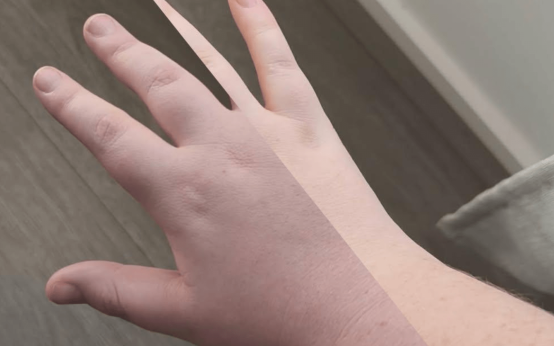 Artist Speaks Out on Rare Condition Impacting Her Career