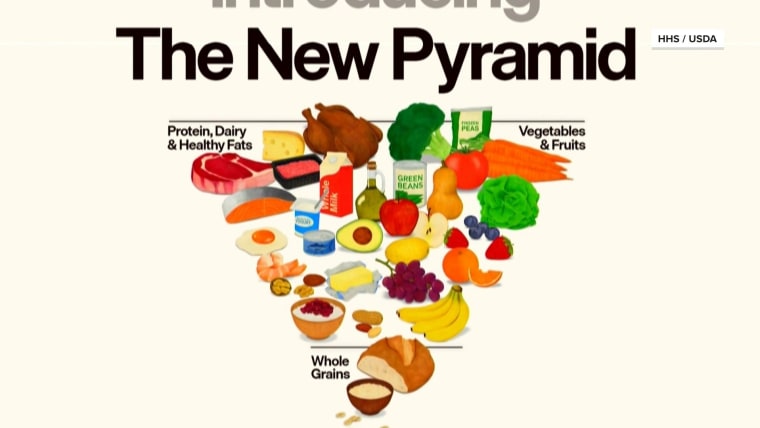
For those concerned about heart health and unsure whether to choose a low-fat or low-carbohydrate diet, there’s reassuring news. A recent study indicates that healthier versions of both these diets can lower the risk of atherosclerosis, the most prevalent form of heart disease. This extensive investigation observed nearly 200,000 adults over a long period and found that both low-fat and low-carb diets, when rich in plant-based foods, whole grains, and unsaturated fats, were associated with a reduced incidence of coronary heart disease.
Coronary heart disease happens when plaques, fatty deposits, accumulate in the heart’s arteries, hindering them from supplying oxygen-rich blood to the heart muscle. This condition can lead to serious issues like chest pain, heart attacks, or even sudden cardiac arrest if the heart stops beating. On the other hand, diets high in refined carbohydrates and animal-based fats were linked to an elevated risk of heart disease. These insights were recently published in the Journal of the American College of Cardiology.
It’s the quality of your diet that matters,not merely the content, whether it’s fats or carbohydrates, according to Dr. Qi Sun, the study’s lead author and a nutrition and epidemiology expert at the Harvard T.H. Chan School of Public Health.
Dr. Sun emphasized that since the study focused specifically on coronary heart disease, its results might not apply to other heart conditions such as heart failure or arrhythmias. This detailed research involved experts from Kuwait University, Harvard Medical School, the Broad Institute of MIT and Harvard, and Beth Israel Deaconess Medical Center in Boston. They examined the dietary habits of health professionals from three databases established in the 1970s and 1980s. These included participants from the Nurses’ Health Study, Nurses’ Health Study II, and the Health Professionals Follow-Up Study.
After excluding individuals with a history of diabetes, cardiovascular disease, or cancer, the study’s cohort was narrowed down to 198,473 people. Participants were required to complete detailed diet questionnaires biennially or quadriennially. Researchers categorized diets into five categories: total, healthy, unhealthy, animal or vegetable-based, ranking adherence to diet types by monitoring food consumption.
Over more than 30 years of follow-up, a total of 20,033 cases of confirmed coronary heart disease were observed. Among those who strictly followed a healthy low-carb diet, there was a 15% reduction in coronary heart disease risk compared to those with less adherence. A similar adherence to a healthy low-fat diet saw a 13% risk reduction. These healthy diets typically included whole grains, fruits (excluding juice), vegetables (excluding potatoes for low-carb), and plant-based proteins and fats, with adjustments for those on low-fat diets.
According to Kristina Petersen, an associate professor of nutritional science at Penn State not involved in the study,
These are significant risk reductionsbrought about by lifestyle changes.
Dietary patterns that were considered unhealthy, mainly because they relied on refined grains and animal fat, were associated with increased coronary heart disease risk. Those on an unhealthy low-carb diet had a 14% higher risk, while those on an unhealthy low-fat diet faced a 12% increase.
Dr. Clyde Yancy, chief of cardiology at Northwestern University’s Feinberg School of Medicine, praised the study for its substantial sample size and prolonged observation. One significant aspect was the use of blood samples from over 11,000 participants to confirm the findings. Researchers looked at metabolites—tiny molecules like amino acids, cholesterol, and triglycerides, which cannot be skewed by memory issues with self-reported data—providing a concrete link to health outcomes including heart disease.
The study reinforces a two-decade consensus around the importance of food quality over merely fat, carbohydrate, or protein content in reducing heart disease risk. Dr. Dariush Mozaffarian from the Food is Medicine Institute at Tufts University, not involved in the study, highlighted that nutrient-dense foods, including fruits, vegetables, whole grains, nuts, and legumes, are key while consuming less saturated fat, sugar, and salt.
Despite its strengths, the study had limitations. Although the researchers attempted to adjust for additional heart health factors like activity, smoking, genetics, and body mass index, such adjustments aren’t perfect. Moreover, since participants were health professionals, the findings may not extend universally to the general public.
The study aligns with some dietary recommendations but conflicts with others from recent U.S. guidelines, which promote fresh fruits, vegetables, nuts, legumes, whole grains, alongside red meat and dairy, despite their higher saturated fat content. Dr. Petersen notes that a low-carb diet rich in animal products such as fatty meats and animal fats could heighten the risk of heart disease.
Ultimately, Yancy suggests that combining a well-rounded diet with regular exercise, smoking cessation, and control over blood pressure and cholesterol could decrease heart disease risk, including the chance of heart attacks, by as much as 75% to 80%.
Barbara Mantel is a medical news contributor for NBC News, with articles in various other health and scientific publications.
 Joe Biden’s Prostate Cancer Progression and Current Healthcare Insights
  Vibrio Vulnificus: A Deadly Threat in Coastal Waters
  The Journey of Annelise Camp: A Family’s Battle and Tragic Loss
  Understanding N95 Respirators: What You Need to Know
  Ethan Suplee’s Journey to Sustainable Weight Management
  MaineHealth Board Votes to Close Maternity Unit at Lincoln Hospital