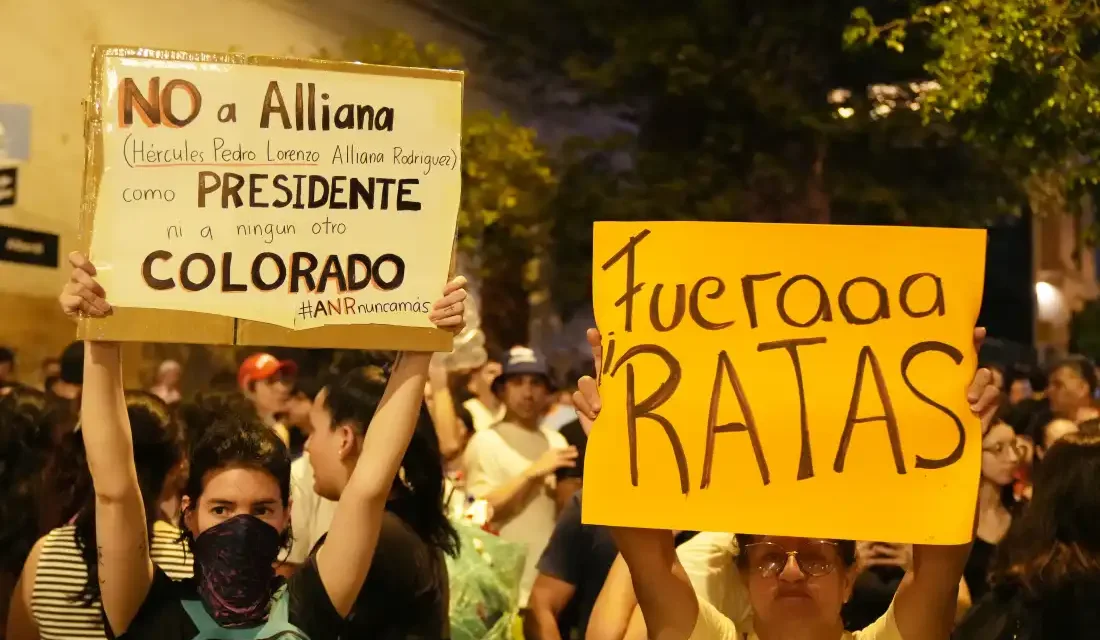
Protesters gathered outside Congress in Asunción, Paraguay, on November 6, 2026, following the Senate’s decision to impeach and remove President Santiago Peña. This action occurred amid allegations linked to the collapse of Ueno Bank, with Vice President Pedro Alliana taking over as the new president.
The abrupt cessation of Ueno Bank’s services early Tuesday morning had immediate consequences for millions of Paraguayans who relied on the bank for daily transactions. Elizabeth González, a 28-year-old barista in downtown Asunción, noted that many people lost trust in banks, opting to use cash instead. González remarked that this lack of confidence would deter foreign investors even more.
Ueno Bank served around 2.9 million customers, representing 60% of Paraguay’s adult population. The Central Bank reported approximately 1.8 million depositors. By Saturday, around 1.2 million customers had received partial compensation through the state’s deposit guarantee fund, but many remained without access to their full deposits.
The political repercussions extended beyond banking issues, leading to President Santiago Peña’s impeachment. The removal of Peña, who had a connection to Ueno’s holding company, exposed internal conflicts within the ruling Colorado Party. Hundreds of protesters displayed their anger outside Congress, demanding accountability. Elodia Saveredo, a 71-year-old housewife, joined the protests out of concern for the entire nation.
Batarram Caballero, a student leader, highlighted the impact on classmates who depended on frozen funds for essential expenses. She expressed frustration over not being able to offer help due to limited resources.
Ueno Bank, initially a fintech, began operating as a bank in November 2023. Its rapid growth was driven by digital convenience and incentives. Caballero suggested the crisis was inevitable, citing a surge in promotional messages shortly before accounts were frozen.
Ueno Bank also managed substantial public funds. The Social Security Institute invested $355 million—9% of its portfolio—in the bank. Questions arose about how such a young bank accumulated significant public money. Economist Manuel Ferreira explained that Ueno’s primary asset, its loan portfolio, mainly consisted of loans to companies linked to its controlling owners, Grupo Vásquez.
The scandal severely impacted Peña, who held shares in the bank’s holding company until 2025. He had appointed Carlos Carvallo, former Ueno Bank head, as the Central Bank leader in 2023. Peña was charged with breach of trust and misuse of power after resigning. He maintained his innocence, pleading not guilty.
Further arrests followed, including Ueno Bank executives and Carlos Carvallo. Vice President Pedro Alliana assumed the presidency, tasked to complete Peña’s term until 2028.
Tobacco magnate and former President Horacio Cartes faced scrutiny due to his influence and relationship with Peña. Cartes had chosen Peña as his faction’s candidate in the 2023 elections. Tensions between them grew over time, with Cartes supporting Peña’s impeachment.
The crisis was more than a collapsing bank; it signified broader political dissatisfaction. Rodrigo Piatti, an anti-corruption activist, believed real change required challenging the political elite, including Cartes. For many, the scandal underscored the necessity for a strong opposition capable of transforming Paraguay’s political landscape.
The situation affected Paraguay’s standing among foreign investors, with entrepreneurs like Eduardo López voicing concerns over credibility. Student leader Lizza Lugo expressed hopes for change in the 2028 elections, emphasizing the unequal application of laws based on wealth. The events raised questions about whether Paraguay could restore trust in its economic and political systems.
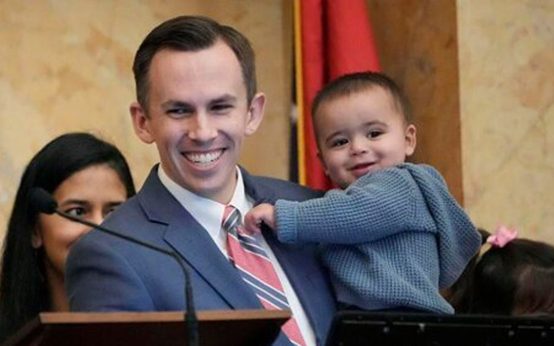 Mississippi State Auditor Shad White Announces Gubernatorial Bid
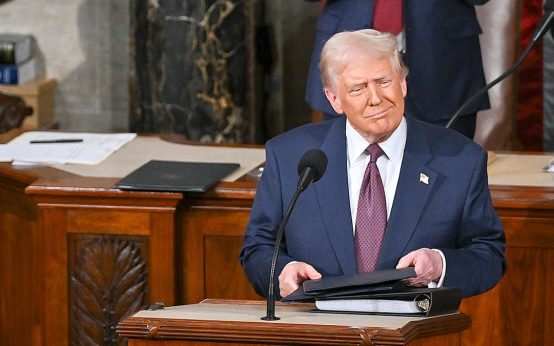 Trump Dismisses Third Impeachment Prospects
 Custody Dispute Involving Rep. Max Miller Delayed
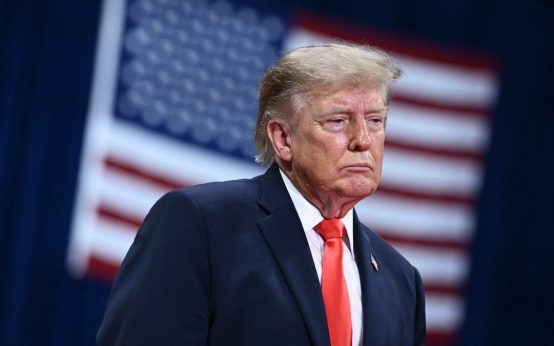 Attorney General Addresses Post-Midterm Democratic Threats
 Senator Elizabeth Warren and the Future of Crypto Regulation
 Bipartisan Opportunities in Foreign Policy