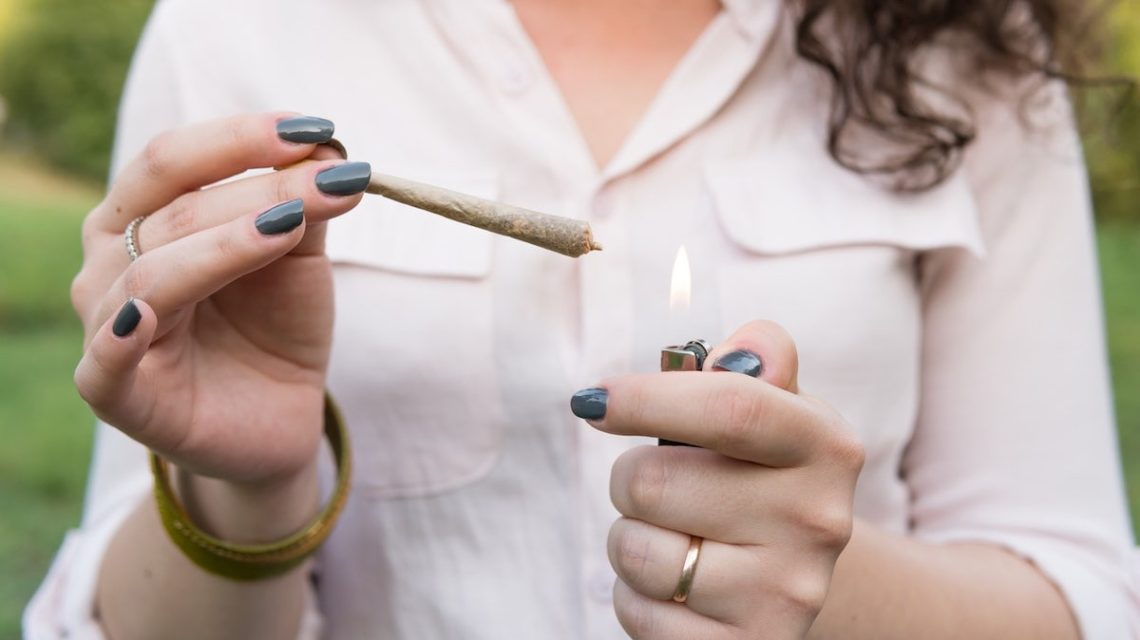
The New York Times has shifted its perspective on marijuana legalization in the U.S., as outlined in a recent editorial titled “It’s Time for America to Admit That It Has a Marijuana Problem.” After years of advocacy for legalization, the editorial board expressed concerns that the nation has overly embraced and even promoted marijuana use.
This marks a significant change from the Times’ previous support of marijuana becoming mainstream. In a 2014 editorial, the newspaper lobbied for repealing the federal ban and allowing states to decide on legalization individually, stating that prohibition was a costly failure with harsh impacts on Americans and minority communities in particular.
The Times acknowledged, “Prohibition has proved to be a costly failure, with harsh consequences for millions of Americans … The criminalization of marijuana has been a boon for illegal drug markets and has disproportionately burdened minority communities.”
However, the Times now admits that its earlier predictions underestimated the issues that emerged from legalization, particularly the increased prevalence of marijuana use. A survey from Carnegie Mellon University revealed that around 18 million Americans use marijuana daily or near-daily, which Dr. Marc Siegel, a senior medical analyst at Fox News, finds deeply concerning. This number vastly exceeds the 14.7 million daily or near-daily alcohol users surveyed.
From 1992 to 2022, the frequency of daily marijuana use rose dramatically, becoming approximately 15 times more common according to the data from the National Survey on Drug Use and Health. Jonathan Caulkins, a cannabis policy researcher from Carnegie Mellon, highlighted that the advent of new product forms like vapes, dabs, and edibles likely contributed to the rise in usage. These forms present specific risks, such as accidental overconsumption linked to edibles due to delayed onset of effects.
Health Implications
With the rise in marijuana use, significant health concerns have surfaced. The Times noted that frequent cannabis users have higher chances of developing dependency, with roughly one in ten individuals becoming addicted, according to the U.S. Substance Abuse and Mental Health Services Administration (SAMHSA).
Dr. Marc Siegel explained, “Cannabis is definitely addictive — the brain is affected, leading directly to addiction. It also interferes with performance and memory.” Peer-reviewed studies have also linked cannabis use with a higher likelihood of experiencing paranoia and chronic psychotic disorders.
Dr. Laura Gardner, a psychiatrist at Silver Hill Hospital, emphasized the severe public health effects of increased cannabis use, reporting substantial impact on young adults developing persistent psychotic disorders after heavy cannabis use.
“When I treat young adults in the hospital whose lives have been completely derailed … the typical response I get is outrage — ‘How did we not know about this? Why did no one warn us that this could happen?’” she said.
Gardner stressed that such cases are preventable and called for greater public awareness and intervention. Cannabis use disorder has also been linked to bipolar disorder and depression, posing a growing mental health crisis.
Need for Regulatory Changes
The Times editorial does not advocate for re-criminalizing marijuana but proposes stricter regulations. It highlighted excessive THC concentrations in today’s cannabis, suggesting that illegalizing products exceeding a THC level of 60% and increasing taxes on potent marijuana forms could curb widespread use.
Historically, THC levels in cannabis have surged from an average of 4% in 1995 to about 12% in 2014, with current high-potency products reaching 90% to 95%. The editorial urged that instead of ending legalization, the tax revenue from cannabis should be used to educate the public on its health impacts.
Riana Durrett from the Cannabis Policy Institute emphasized that the industry contributes significant tax revenues, suggesting that these funds should back public health efforts.
As highlighted by Melissa Rudy, senior health editor at Fox News Digital, changes in drug policies should prioritize public health to resolve misconceptions about cannabis.
 Understanding Misperceptions and Inaction in Sexual Assault Prevention
  Study Highlights Risks Associated with Borg Drinking Trend on U.S. College Campuses
  Miracles and Healing: Insights from ‘The Angels Among Us’
 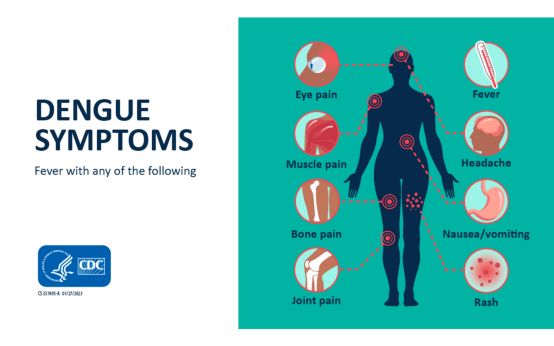 Dengue Fever Surge Impacts Multiple U.S. States
  Tickborne Alpha-gal Syndrome Impacting Martha’s Vineyard
  Examining Dementia and Lucidity: Readers Share Insights