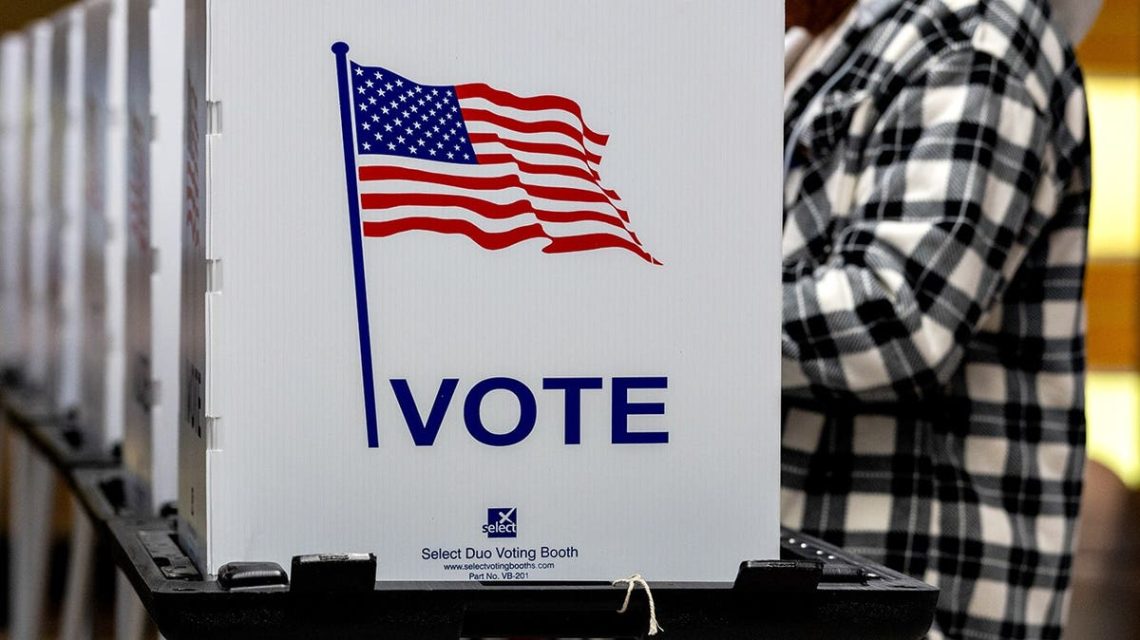
The recent successes of Democrats in midterm elections have set the stage for significant changes in the U.S. presidential election process, particularly focusing on the race for 2028. Democratic control extends to the governor’s office and both state legislature chambers in Michigan, Pennsylvania, Wisconsin, and Nevada.
A key element in this potential transformation is the National Popular Vote Interstate Compact. This agreement, already adopted by 18 states and Washington D.C., aims to ensure the presidency goes to the candidate with the most votes nationwide. As of now, the compact holds 222 pledged electoral votes, needing 48 more to reach the 270 necessary for activation. Should the four mentioned states join, their 50 votes would push the compact to 272, surpassing the threshold. Arizona might add additional support if Democrats gain control there.
The nonprofit National Popular Vote (NPV) is orchestrating efforts to pass the compact in these states. According to Patrick Rosenstiel, a senior NPV consultant, legislation is expected to be introduced before or early in 2027. Rosenstiel states that there are several strategies available to secure the needed votes to meet what he claims 63% of Americans desire.
“I am confident we have multiple paths to secure the 48 electoral votes required,” Rosenstiel told Fox News Digital.
Currently, most states, except Maine and Nebraska, allocate their electoral votes to the statewide victor. The compact, however, mandates that participating states award their electoral votes to the nationwide popular vote winner. This change would keep the Electoral College but make the national vote the decisive factor.
Advocates argue this approach gives equal weight to every vote by focusing on a single tally. Critics point out the Electoral College design ensures both populous and smaller states contribute meaningfully to the selection process. Hans von Spakovsky of Advancing American Freedom argued that such a compact cannot alter the Electoral College.
“You can’t use a compact to, in essence, change the Electoral College,” von Spakovsky said.
Rosenstiel countered this claim, citing Article II, Section 1, which he believes grants states the authority over how electors are appointed. The primary legal concern is whether congressional consent is necessary for the compact under the Constitution’s Compact Clause in Article I.
Von Spakovsky noted that Congress could approve the compact with a simple majority, without requiring the president’s signature. He also suggested that states not joining the compact might litigate, arguing the compact’s constitutionality, since it could alter the fundamental structure without a constitutional amendment.
The NPV campaign will push bills in the potential new states following the midterms. Success depends on meeting the electoral vote goal before the 2028 election deadlines, leaving legislative, congressional, and judicial decisions in a tight timeframe.
Until activation, the Electoral College system remains intact. Rosenstiel remains optimistic about achieving the compact’s goals before the 2028 election.
“I’m increasingly confident we can achieve that goal,” he said.
 Mississippi State Auditor Shad White Announces Gubernatorial Bid
 Trump Dismisses Third Impeachment Prospects
 Custody Dispute Involving Rep. Max Miller Delayed
 Attorney General Addresses Post-Midterm Democratic Threats
 Senator Elizabeth Warren and the Future of Crypto Regulation
 Bipartisan Opportunities in Foreign Policy