Archaeologists in Siberia have discovered evidence suggesting cannabis use dating back 2,800 years. The findings originate from a monumental tomb site known as Tunnug 1 in the Uyuk Valley, southern Siberia. This area is notable for its material culture related to the Scythians, ancient nomadic peoples who migrated across Central Asia.
Historically, cannabis use has intrigued researchers. Greek historian Herodotus noted cannabis smoking by Central Asian inhabitants around 440 B.C. Recent discoveries have also found cannabis seeds in tombs throughout the region. However, this new study indicates the psychoactive use of cannabis 300 years earlier than previously recorded instances in neighboring China.
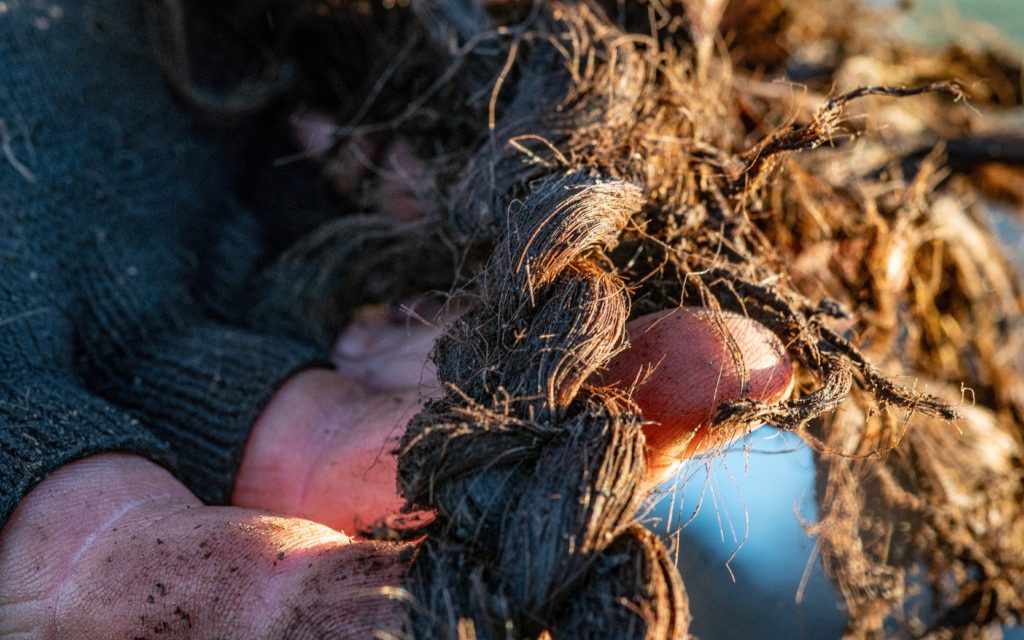
Led by a team of archaeologists from Germany, Russia, Sweden, and Switzerland, the research examined preserved plant remains and human hair found in the tomb. Co-author Gino Caspari from the University of Bern highlighted the rarity of finding both preserved plant parts and human tissue with active compounds in the same context. However, it remains unclear whether the cannabis was ingested or inhaled.
“It’s only so often as an archaeologist that you do get to drug test a person that’s been dead for almost 3,000 years,” Caspari said.
The excavation, which began in 2017, encountered challenging conditions, including remote living in tents and contending with various seasonal hardships. Larger artifacts at the site included weapons, horse gear, and animal-style motifs. The discovery of tiny black cannabis seeds alongside preserved hair has sparked significant interest and debate.
Radiocarbon dating confirmed the seeds’ origination period. Caspari suggested these seeds were not randomly placed but held importance within the community, pointing to cannabis consumption linked with burial practices.
Published in the journal Science, the study has not convinced all experts. Volker Auwaerter from the University Medical Center in Freiburg cast doubt on the evidence quality, arguing the hair analysis lacked robustness. He emphasized the need for distinct forensic toxicology testing to differentiate between consumption and environmental exposure.
Conversely, Elisa Guerra Doce from the University of Valladolid recognized the study’s methodology as valid. She noted that toxicological hair analysis has previously been used in archaeology to identify psychoactive substance use.
As research progresses, it sheds light on the significant role cannabis might have played in ancient societies.
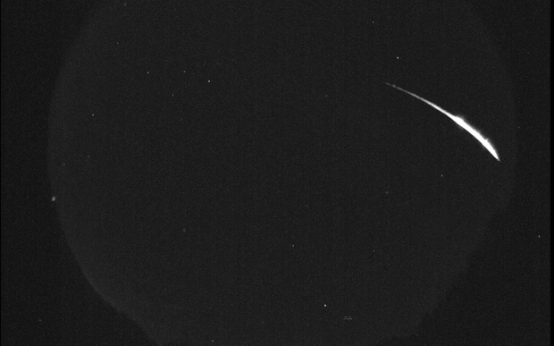 Meteor Lights Up Skies Over North Carolina and Tennessee
 Can AI Possess Consciousness and Emotion?
 NASA Opens Applications for Aspiring Astronauts
 Scrutiny and Leadership in Focus
 NASA Seeks Next Generation of Astronauts for Moon and Mars Missions
 Restoring Confidence in American Scientific Careers