Democrat Roy Cooper Secures North Carolina Senate Seat
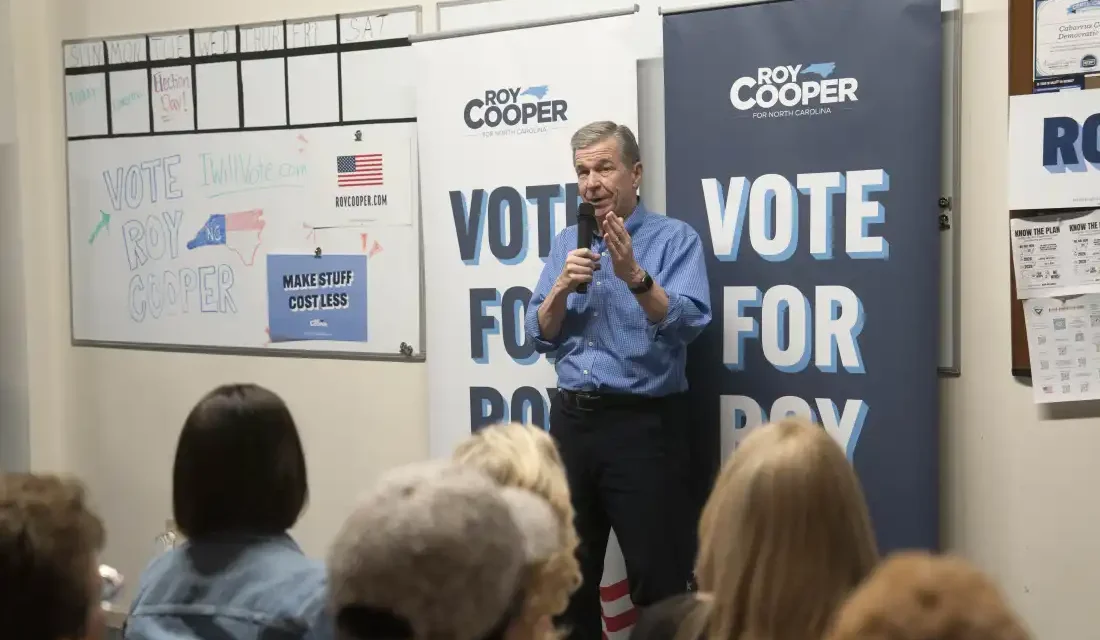
Roy Cooper, a former governor of North Carolina, has secured the state’s open U.S. Senate seat, marking a significant win for the Democratic Party. This victory is notable as Cooper becomes the first Democrat to be elected to the Senate from North Carolina since 2008. The Associated Press announced the race call, recognizing the flip as key for the party.
Cooper triumphed over Michael Whatley, previously the Republican National Committee chair and endorsed by former President Trump. Whatley was chosen to fill the vacancy left by retiring GOP Senator Thom Tillis. Throughout the campaign, Cooper and Democratic groups invested heavily in advertising, outperforming Whatley and Republican organizations.
A strategic shift occurred several weeks before the election when national GOP entities withdrew TV advertising from North Carolina, reallocating their resources to battleground states like Kansas.
“Really, it’s the economy is Issue A and then Issue B is probably government corruption” – Patrick Sebastian, Republican strategist
During his tenure as governor from 2017 to 2024, Cooper emphasized affordability, traveling the state on a “Make Stuff Cost Less” tour. Conversely, Whatley centered his campaign around crime and immigration issues, critiquing Cooper over a legal settlement aimed at reducing prison overcrowding during the pandemic. Despite these efforts, economic concerns dominated voter priorities.
Notably, this election marked Whatley’s inaugural bid for public office. Cooper’s campaign portrayed him as a lobbyist for Big Oil and a potential rubber stamp for Trump’s agendas. Republican strategist Patrick Sebastian, although not involved in Whatley’s campaign, opined that more focus on economic issues was needed from Whatley.
Sebastian highlighted economic concerns and government corruption as primary issues for voters, mentioning the public’s struggle with inflation impacting everyday purchases.
Initially projected to be one of the most competitive and costly races in the country, Cooper maintained a consistent lead in polling. Even as October saw a sharp decline in pro-Whatley TV ads, Trump and Vice President Vance held several rallies in North Carolina. These efforts might have boosted turnout among GOP supporters, yet weren’t sufficient to overcome Cooper’s advantage.
Senator Tillis chose not to seek reelection in 2025, with his decision following Trump’s threat of supporting a primary opponent due to Tillis’ stance on certain legislative bills. Rather than backing Whatley, Tillis focused on promoting his new book, which critiques fellow Republicans.
 Mississippi State Auditor Shad White Announces Gubernatorial Bid
 Trump Dismisses Third Impeachment Prospects
 Custody Dispute Involving Rep. Max Miller Delayed
 Attorney General Addresses Post-Midterm Democratic Threats
 Senator Elizabeth Warren and the Future of Crypto Regulation
 Bipartisan Opportunities in Foreign Policy