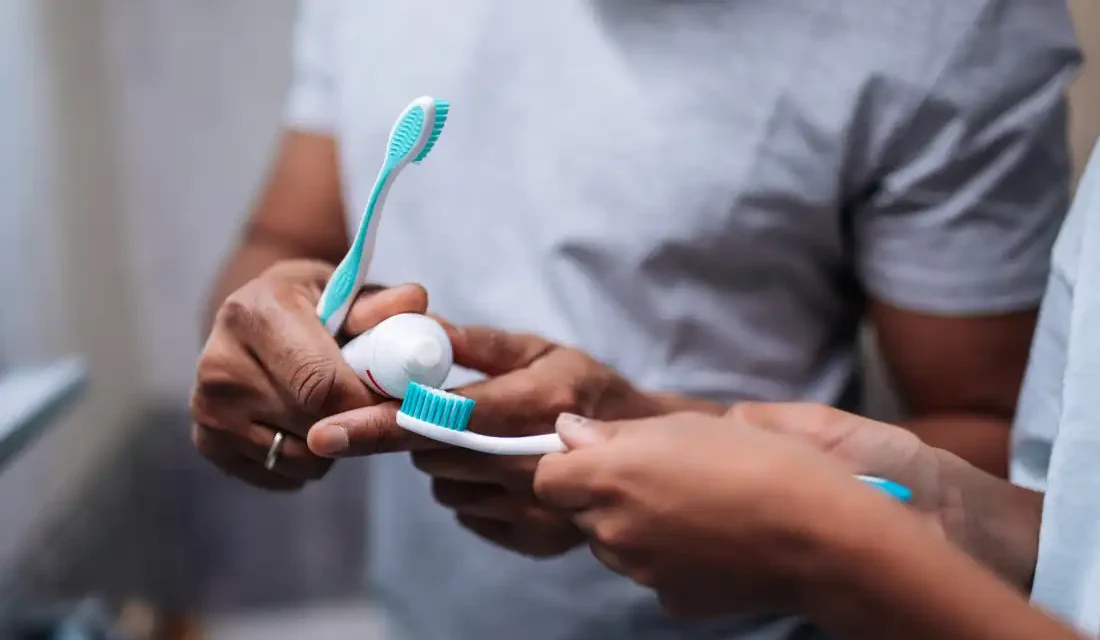
Hydroxyapatite toothpaste is emerging as a fluoride-free alternative, attracting attention for its potential benefits. While traditional fluoride toothpastes have been common since their introduction in the late 1950s, there’s a growing curiosity about products without fluoride, such as hydroxyapatite.
Shifting Preferences in Oral Care
Dr. Jin-Ho Phark, an associate professor of clinical dentistry at USC, notes an increasing interest in fluoride-free options. Patients frequently inquire about hydroxyapatite, influenced by online endorsements. This calcium phosphate mineral is drawing attention for its promise in cavity protection, whitening, and enamel strengthening—all without fluoride.
The Role of Fluoride in Oral Health
Fluoride has long been recognized as a key player in cavity prevention. According to the CDC, the addition of fluoride to public drinking water significantly reduced cavities. Despite fluoride’s benefits, some people are skeptical, especially concerning children. Claims link fluoride to various health issues, yet studies show that low levels are safe and effective.
Understanding Hydroxyapatite
Interest in hydroxyapatite stems from its similarity to tooth enamel, composed mainly of calcium and phosphate. Some research suggests it aids in reducing tooth sensitivity. Enamel, stronger than bone, faces threats from sugar and plaque. Bacteria feed on sugars, creating acids that erode enamel, leading to decay and potential cavities.
Differentiating Hydroxyapatite
Unlike fluoride, hydroxyapatite may penetrate enamel crevices, especially in its nano form. Though studies are limited, preliminary data is promising. Bennett Amaechi’s 2021 study compared hydroxyapatite with fluoride, finding similar outcomes in cavity prevention. The study, funded by Dr. Wolff Group, suggests hydroxyapatite’s potential effectiveness.
“When it comes to remineralization and preventing caries manifestation, it is as effective as fluoride,” Amaechi states.
Further research, including a 2019 study on higher-risk individuals, supports comparable results between the two toothpastes.
Choosing the Right Toothpaste
Hydroxyapatite toothpaste tends to be pricier than fluoride versions. For those undecided, experts like Amaechi and Tenuta recommend fluoride due to its robust evidence base. The ADA acknowledges emerging use of hydroxyapatite but emphasizes its limited and ambiguous research.
Ultimately, consistent oral care—with recommended twice-daily brushing and regular dentist visits—is crucial for maintaining dental health. While new toothpaste options emerge, fluoride remains a well-supported choice.
 Caregiving Challenges for Older Adults
 Recent Events Highlight Legal and Social Shifts
 Tips to Minimize the Impact of Colds and Flu
 Challenges and Public Sentiments in the Push for Medicare for All
 Challenges in Defeating Ebola in the Democratic Republic of the Congo
 NIH’s Foreign Animal Research Funding Criticized for Safety Failures