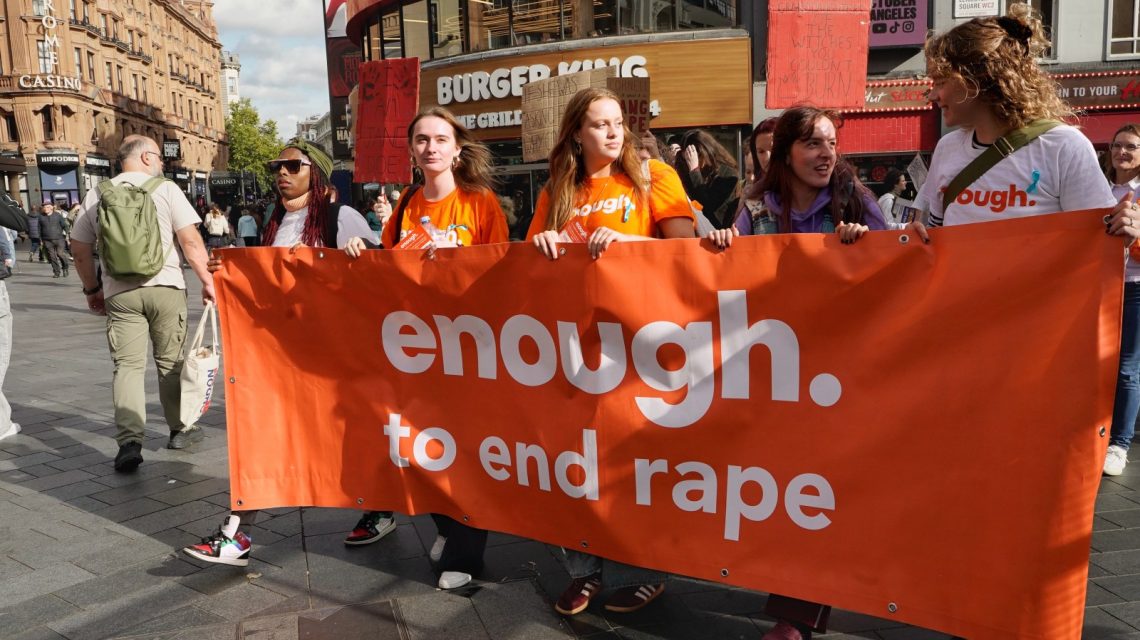
Students from nearly 100 colleges nationwide will take part in “Take Back the Night” events on Sunday. Activists say the recent sexual assault controversy at Cornell University has revived the debate over fraternity culture, campus safety, and university accountability.
Coordinated Campus Events
The National Campus Take Back the Night Rally will start with a national livestream at 8 p.m. EST, requiring registration at takebackthenight.org. Following this, students across the country will gather for rallies, marches, and readings of a reform mandate addressing university leaders.
Cornell University, located in Ithaca, New York, faces criticism over its handling of sexual assault allegations linked to the Chi Phi fraternity. This case prompted protests, donor pressure, and a faculty no-confidence vote, raising questions about how colleges manage fraternity oversight, investigate misconduct, and ensure student safety.
Activism Sparked by Cornell
“Cornell provided a gateway to reach a larger audience,” said Katie Koestner, Take Back the Night’s executive director. The nonprofit has been active for over 50 years. A 2024 survey by Westat through the HESMA Survey Consortium found that 18.9% of undergraduate women reported nonconsensual sexual contact involving force or inability to consent since college enrollment. For undergraduate men, the rate was 6.5%.
Motivated by Cornell’s Jane Doe and others, Liana Mirvis Galper, a first-year Yale student, quickly coordinated with organizers, becoming the national rally campus coordinator.
Organizers expanded efforts to 79 campuses, aiming for broad participation despite restrictions and logistical challenges. As planning evolved, a national livestream enabled a wider reach.
The Impact of Cornell’s Case
Cornell became more than a campus controversy. A lawsuit filed by Jane Doe alleged gang rape by Chi Phi fraternity members. This case touched on several entrenched issues: fraternity culture, alcohol, university discipline, transparency, and institutional responsibility.
Accused students denied wrongdoing. Cornell President Michael Kotlikoff vowed to investigate, emphasizing dedication to finding answers. New York Governor Kathy Hochul announced state police would handle sexual assault complaints at Cornell, transferring complaints from university police unless victims choose otherwise.
Koestner noted the case’s complexity and prominence, highlighting existing power structures, non-transparency, and public scrutiny of college responses to sexual misconduct.
Similar controversies at other institutions continue to raise questions about oversight and student safety.
Historical Debate
“Take Back the Night” dates back to the 1970s, addressing issues like healthcare access and campus safety for women. Over time, the movement has grown to tackle issues of consent, fraternity culture, and institutional accountability.
Koestner’s journey began in 1990 when she publicly accused a fellow student at William & Mary of rape, making national headlines and sparking discussions on “date rape.”
Current student concerns mirror those Koestner faced decades ago, highlighting college shortcomings in student protection.
The Role of Fraternities
Amid the Cornell controversy, the relationship between colleges and Greek life comes into question. Koestner argues that universities have long known where risks exist but often fail to address them, pointing to fraternity houses as frequent sources of sexual assault investigations.
The national Chi Phi fraternity barred Cornell’s chapter after allegations. Acting swiftly, it removed accused members. The interim executive director condemned sexual assault and substance abuse, stating none have a place on campuses.
Education experts warn that eliminating fraternity oversight may cause new issues. Peter Lake noted a potential pivot in college-fraternity relations, cautioning against driving risky behavior to less regulated areas.
Sunday’s Five-Point Mandate
- Evidence-based prevention education for students.
- Trauma-informed investigations and independent oversight.
- 24-hour emergency response systems and protections for students seeking help.
- Monthly transparency reporting and annual campus climate surveys.
- Modernizing sexual assault laws using university expertise.
Koestner emphasized these demands are just a beginning. Reforms must appeal across political and ideological divides, proving their effectiveness.
Whether lasting changes follow the protests remains unclear. The cycle of reform and controversy in campuses persists, influenced by Title IX enforcement standards, disciplinary expectations, and prevention programs.
Koestner advocates for determination and commitment to tackle “rape culture,” seeking meaningful change beyond headlines.
 Melania Trump’s Support for LSU’s New Scholarship Endowment
 DOJ Sues UCLA for Alleged Discrimination Against Jewish and Israeli Students
 Student-Loan Borrowers Face Increased Oversight
 The Role of Public Schooling in Equalizing Social Conditions
 Understanding Information in Modern Classrooms
 The Ongoing Debate on Public Schooling as the Great Equalizer