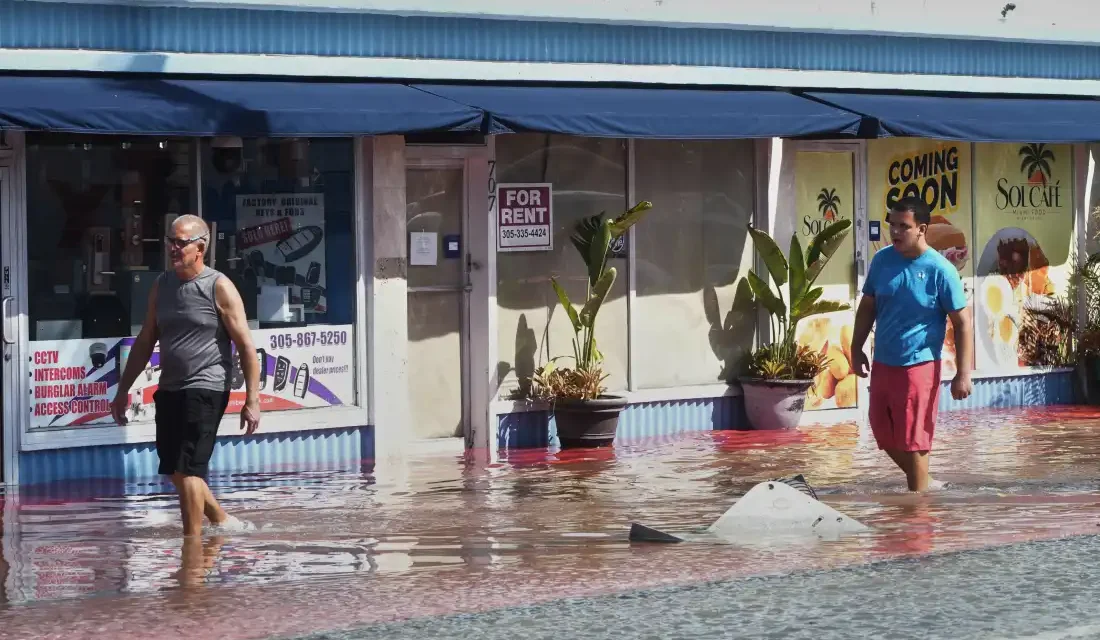
This winter is anticipated to be warmer and wetter due to a ‘Super El Niño’ affecting global weather, according to national weather agencies. The National Oceanic and Atmospheric Administration (NOAA) predicts above-average temperatures across much of the U.S., along with increased precipitation in several regions.
Ken Graham, director of NOAA’s National Weather Service, described the current El Niño as strong, potentially historic. While predictions suggest certain conditions, they don’t guarantee them. These forecasts help cities prepare for possible impacts and allocate resources. ‘Earlier and better decisions save lives,’ said Graham.
El Niño may also bring rain to drought-affected areas. This natural climate pattern begins in the tropical Pacific Ocean, where warm water near the equator heats the atmosphere, shifting global weather. Meteorologists believe this could be the strongest El Niño on record.
The Influence of El Niño
NASA climate scientist Josh Willis likens this El Niño to ‘Godzilla’ due to its size and impact, stretching across the ocean and causing severe droughts and wildfires in regions like Indonesia and Southeast Asia. In the U.S., it kicks up storms and high tides across the Pacific.
Significant past events include the 2015-16 El Niño, which caused severe flooding in South Carolina and a blizzard on the East Coast.
Regional Effects in the U.S.
West Coast
Warmer temperatures are expected in Northern California, with above-average precipitation, particularly in Southern California. Higher snowfall may occur in Nevada, the southern Rocky Mountains, and California’s San Bernardino Mountains.
Kelvin waves have already heightened sea levels, risking floods in California. These waves, along with El Niño, increase flooding chances but don’t cause them alone.
Pacific Northwest
This area will experience warmer temperatures but less rain, leading to a smaller snowpack, crucial for water supply. Successive drought years have raised wildfire risks. Some areas may see drought conditions improve, according to NOAA’s Jon Gottschalck.
Southwest
Wetter conditions have already led to severe flooding in the Four Corners region. The area has seen months of unusual rain, partly due to El Niño. However, ongoing water crises in the Colorado River basin persist despite increased rainfall.
East Coast
Similar to the broader trend, the Northeast may see warmer temperatures and more precipitation. El Niño can strengthen nor’easters, leading to coastal erosion. Predictions suggest similar flooding as the 2023 El Niño event, which was a record year.
Southern U.S.
This region has the highest chance of above-average precipitation. Areas like northern Texas and parts of Florida prepare for heavy rain in rarely affected regions. El Niño increases Florida’s tornado risk, as seen during the 1998 outbreak.
Midwest
The Midwest will likely have less snow due to warmer temperatures. Michigan, Ohio, and Indiana could remain drier, while Iowa may be wetter. Drought concerns are growing across the Midwest, with conditions expected to worsen.
 Trump’s New Hearing on East Potomac Park Redevelopment Plan
 Investigation into EPA’s Response to East Palestine Train Derailment
 Texas Data-Center Boom Risks Air Pollution Progress
 Trump Administration Proposes Relaxation of Methane Emission Regulations for Oil and Gas
 Schoolchildren Take on Invasive Blue Catfish in Chesapeake Bay
 Caring for Virginia’s Waterways: A Responsibility Beyond Resources