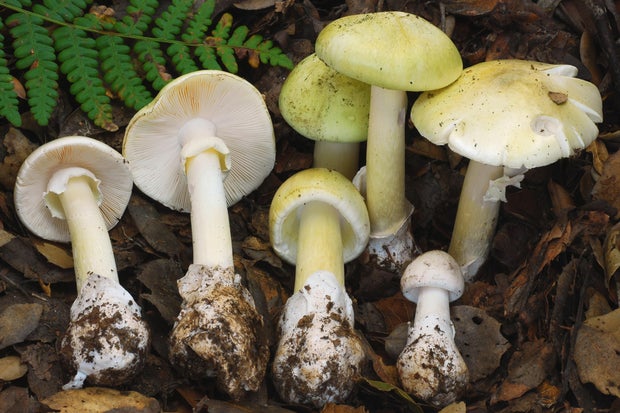
In the wake of an unusually wet winter, California is seeing a surge in cases of poisoning linked to the lethal death cap mushroom. As of February 2026, the California Department of Public Health reported more than three dozen incidents since November 18th, unfortunately resulting in the deaths of four individuals, with three others requiring liver transplants.
The incidents of poisoning have presented severe symptoms rapidly, including acute liver injury and imminent liver failure. Those affected range widely in age, from toddlers to seniors, with patients often requiring intensive care.
Warning Against Foraging
Given the rise in cases, public health officials strongly advise against mushroom foraging this year. Death cap mushrooms, known scientifically as Amanita phalloides, are especially dangerous due to their resemblance to several edible species. The poison they contain, known as amatoxin, is among the most deadly compounds found in mushrooms, leading to 90% of fatal poisonings worldwide. These mushrooms are typically found in parks and forests, frequently under oak trees.
Dr. Craig Smollin, medical director for the San Francisco Division of the California Poison Control System, highlighted the unusual number of poisonings this year. Normally, California records between two to five cases annually; however, the current tally has soared to nearly 40. The phenomenon is attributed to warm fall temperatures and early rainfall, fostering what experts describe as a “super bloom” of these toxic fungi.
Case in Point
Laura Marcelino, a resident of Salinas, shared a chilling account of her family’s encounter with the death cap mushroom. Mistaking them for a familiar edible variety from her native Oaxaca, she and her husband consumed the mushrooms, which led to severe illness and a necessary liver transplant for her husband.
“We thought it was safe,” Marcelino said, reflecting on the experience that left her hospitalized for several days.
Symptoms of ingestion commonly appear within 24 hours and include stomach cramps, nausea, diarrhea, and vomiting. Alarmingly, the initial symptoms may subside quickly, obscuring the risk of serious liver damage that can occur within days.
Community Outreach and Awareness
The California Department of Public Health has expanded its educational campaigns to include warnings in multiple languages, reflecting the diverse communities affected, including Spanish, Mixteco, and Mandarin Chinese speakers. More than 60% of the affected individuals primarily spoke Spanish.
The visual similarity of the death cap to various benign fungi complicates safe identification. Dr. Smollin emphasized that without expert knowledge, accurately distinguishing these mushrooms can be exceptionally challenging.
Families are encouraged to supervise children and pets in outdoor areas where mushrooms grow and to only purchase mushrooms from reputable sources. Immediate medical attention is advised if ingestion of a poisonous mushroom is suspected.
The U.S. Poison Centers has noted a 40% rise in reported mushroom exposures from September through January compared to the previous year, though not all exposures result in poisoning. For assistance with mushroom poisoning emergencies or inquiries, the Poison Help Line is available at 1-800-222-1222 or through PoisonHelp.org.
 Insulin Cost Legislation Push
  The Impact of Private Equity Ownership on Hospitals
  Impact of Private Equity on Healthcare Access
  The Potential of Peptides in Healthy Aging and Metabolic Health
  Greek Couple’s Journey to Parenthood Amid IVF Age Limits
  The Controversy Surrounding the National Vaccine Injury Compensation Program