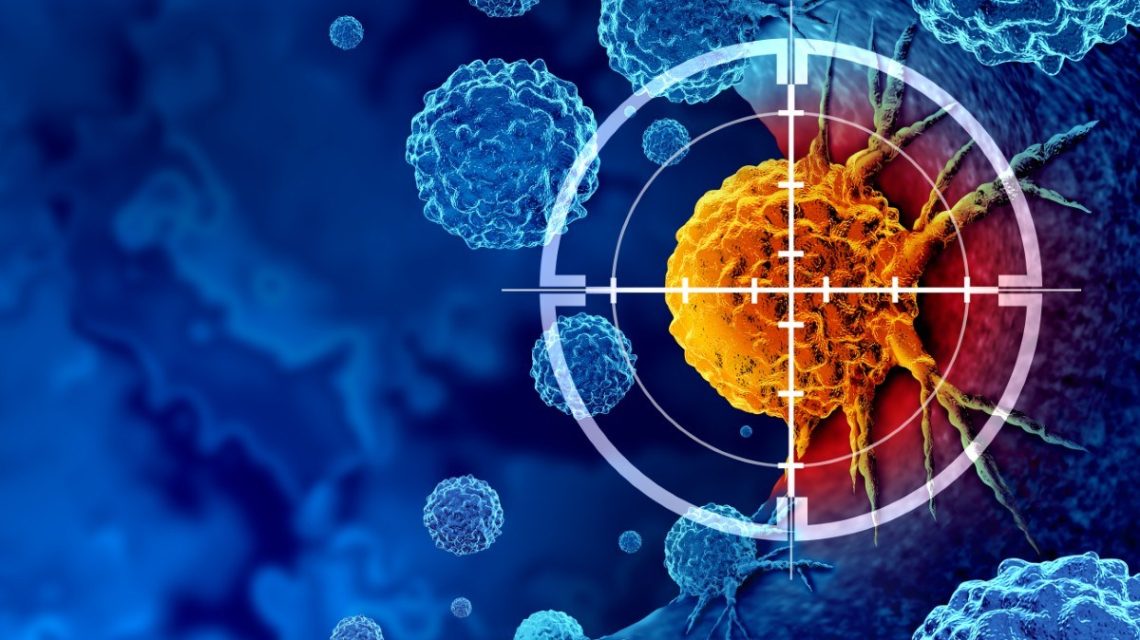
Researchers at Fudan University, Sun Yat-sen University, and the Chinese Academy of Sciences in Shanghai have discovered that compressing cancer cells can lead them to self-destruct. This study, published on October 14 in Developmental Cell, highlights a new mechanism in cancer cell behavior under physical pressure.
What The Study Found
The research focused on cancer cells during the mesenchymal-to-amoeboid transition (MAT), a stage where they adapt to navigate tight spaces without genetic transcription. One significant challenge cancer cells face when spreading is passing through narrow spaces as they leave the primary tumor to invade new tissues.
Researchers Liming Sun and Yan-Jun Liu explained that they created a model simulating this challenge by gently compressing the cells into a thin space, preventing surface attachment. Under these conditions, lasting several hours, they observed the cells transitioning from a fast-moving amoeboid state to eventually halting movement and triggering cell death.
The cells identified increased pressure as a threat, releasing signals that initiated cell death. The researchers noted that this stress activated MLKL (mixed lineage kinase domain-like), which plays a role in the cell death process. Before dying, the cells lost their shape and mobility, stopping invasive behavior. However, this also led to tumors being enriched for MLKL-low, necroptosis-resistant cells, which are more aggressive.
The researchers tested multiple cancer cell types and found consistent responses, suggesting a broader mechanism at work. They suggested that variability in response could depend on the genetic makeup of different cancers, needing further exploration.
What The Findings Mean
Study authors told Newsweek that prolonged mechanical stress within tumors could act as a defense against cancer spread by eliminating invasive cells while promoting immune recognition. They identified MLKL expression as a potential biomarker for tumor progression and metastatic potential. Higher MLKL levels made cells more susceptible to confinement-induced cell death, while MLKL-low cells were more likely to survive and thrive.
Over time, selective pressure might promote the growth of these resistant clones with greater invasive potential, making measuring MLKL levels useful for understanding tumor evolution. These insights point to potential therapeutic strategies, such as pharmacologically activating MLKL, to enhance necroptosis and remove cancer cells under mechanical stress.
Researchers also emphasized considering the mechanical environment of tumors along with biochemical pathways in treatment strategies. By combining MLKL activation with traditional cancer therapies, there is potential to strengthen the body’s defenses against metastasis.
Reference: Zhang W, Wang Y, Zuo C et al. (2026) Long-term confinement triggers RIPK3-independent necroptosis in amoeboid cancer cells to shape tumor evolution. Developmental Cell. [Link to study](https://www.cell.com/developmental-cell/fulltext/S1534-5807(26)00351-5)
Contact Newsweek editors on this story: Kara Dolman and Paul Donnelley.
 FDA Warns Against Graziers Raw Milk Cheese Due to E. coli Outbreak
 Medicare Open Enrollment Brings Changes for 2027
 Proximity to Green Spaces Linked to Reduced Dementia Risk in Older Adults
 Ebola Case Confirmed in Nigeria Amid Regional Outbreak
 Navigating Maternity Costs: Managing Financial Expectations and Responsibilities
 Struggle for Self-Directed Home Care in Canada