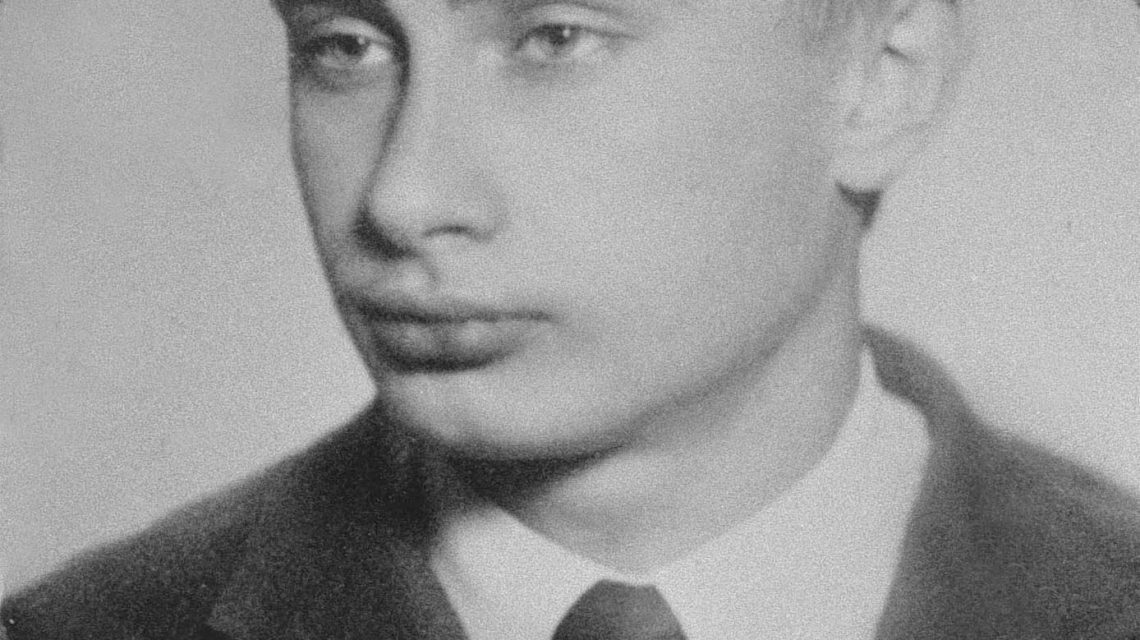
Bryan Adams’ song "Summer of ’69" evokes nostalgia for a world filled with teenage romance and endless possibilities. In contrast, Vladimir Putin’s experience in 1969 was far different. At 16, he had already inquired about joining the KGB between school and family obligations in a challenging living environment.
Recently, Putin suggested a meeting with China’s Xi Jinping and Donald Trump to discuss ending the Ukraine conflict. Notably, Ukraine’s President Volodymyr Zelensky and European officials are excluded from this proposal. This scenario echoes Putin’s Soviet-era worldview, where global powers dictate terms to smaller nations.
Big Powers, Little Nations
Putin’s military actions in Ukraine reflect his belief that small countries lack a say in their geopolitical futures. Historical examples, like the Soviet invasions of Hungary and Czechoslovakia, illustrate this perspective. In 2022, Putin demanded NATO halt its expansion as he saw Ukraine as merely a piece on a larger strategic chessboard.
Analyst Alexander Baunov compares Putin’s desired negotiations to the Yalta Conference of 1945, where global powers decided post-war futures without involving smaller nations like Ukraine. This approach to resolving conflicts demonstrates Putin’s belief in great power diplomacy over involving countries directly affected.
Russia’s Status in the Modern World
Putin’s view of Russia as a dominant power might overlook contemporary realities. While Russia boasts the largest nuclear arsenal and retains a U.N. Security Council seat, its economy lags behind the U.S. and China. The World Bank valued Russia’s economy at $2.6 trillion, compared to America’s $30.8 trillion and China’s $19.5 trillion.
The relationship between Russia and China has evolved since past conflicts. China, once a rival, is now essential as a trading partner amid Western sanctions. Moscow’s reliance on Beijing highlights the changing dynamics of international power.
Putin’s Ideological Illusions
In 2021, Putin authored an essay respecting Ukrainian identity while denying its independence. He suggested Ukraine’s true sovereignty is possible only with Russia, underscoring a belief that Ukraine exists under Russian influence.
This belief culminated in a 2021 forum statement declaring that Ukrainians and Russians are one people. The war in Ukraine and Putin’s disregard for past acknowledgments of Ukrainian sovereignty reflect this mindset.
Trump remains open to meeting with Xi and Putin, even if Ukraine is not represented. Such a meeting supports Putin’s view that global powers decide without smaller nations. Securing this recognition aligns with his past Soviet-era principles, where bigger powers dominate and others adapt.
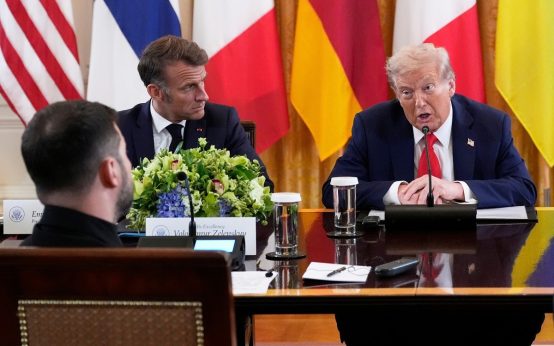 Trump’s Comments on European Unrest Highlight Strained Relations
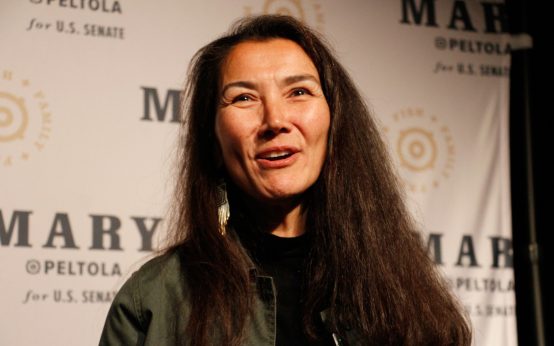 Alaska Senate Race: Peltola vs. Sullivan
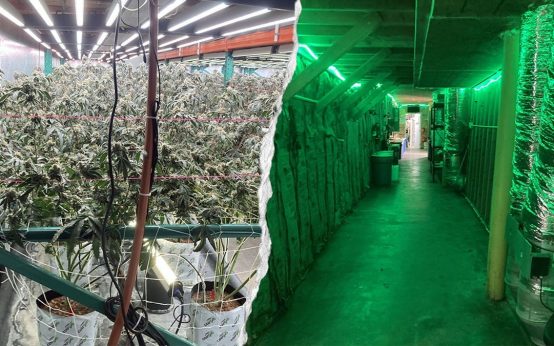 Congressman Gallagher Urges FBI to Combat Illegal Marijuana Operations in Northern California
 President Trump’s Economic Policies and Voter Perceptions
 Netanyahu’s Regional Alliances and Isolation
 Elections 2026: Major Developments and Ongoing Coverage