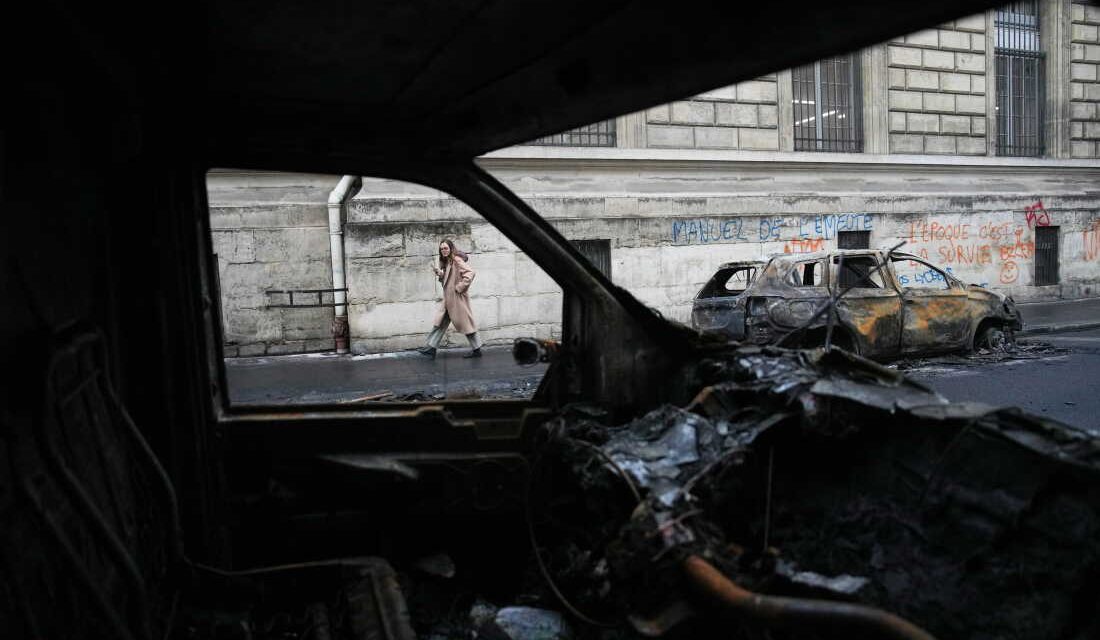
On Tuesday, Oct. 20, 2026, Paris and other French cities faced fresh curfews after recent riots over living costs. These measures followed destructive protests that had escalated into rioting and looting during the weekend. Prime Minister Sébastien Lecornu announced plans for an extensive security operation for upcoming protests scheduled for Saturday.
Curfews Imposed
In Paris, police imposed curfews around Place de la République and the Les Halles shopping district. Officials stated that these areas remained calm overnight, achieving ‘public peace.’ The curfews will continue ‘as long as necessary.’ However, prominent areas like Champs-Elysées and the vicinity of the Saint-Lazare train station were not included in these restrictions.
Lyon also renewed its city center curfew from 9 p.m. to 6 a.m. No disturbances were reported during the night. Marseille joined by imposing a curfew for unaccompanied minors starting Tuesday evening. Lecornu noted that the curfews contributed to the night’s calm atmosphere.
Security Preparation
Interior Minister Laurent Nuñez informed lawmakers about deploying soldiers from Sentinelle, an anti-terrorism operation, to guard sensitive sites. This shift will enable more police officers and gendarmes to focus on crowd control during future protests. Lecornu emphasized that police deployment on Saturday would be substantial, although exact numbers were undisclosed.
Legal Actions and Arrests
A suspect was arrested concerning an arson attack on Limoges’ historic city hall. Justice Minister Gérald Darmanin indicated that the suspect, reportedly linked to radical environmental groups, was under police custody and might have had accomplices. Authorities suspect far-left groups targeted state symbols across France.
The unrest caught the attention of international figures like U.S. Vice President JD Vance and President Donald Trump, who attributed the chaos to immigration. However, French officials attributed the violence to far-left factions and opportunistic looters. Approximately 2,400 individuals were arrested after nationwide clashes with police.
Continued Protests and Cleanup
Small fires and looting persisted in cities like Paris, Lyon, and Marseille on the following days. In Paris, a police helicopter monitored Place de la République during the curfew. Volunteers like Louise Belanger assisted in cleanup efforts, expressing concerns over the youth’s involvement in such violence.
Judicial Response
As of Tuesday noon, 149 people faced imprisonment, according to Darmanin. The Justice Ministry revealed that over 800 of the arrested were placed before prosecutors. About 300 faced charges in Paris alone. Darmanin insisted on strict judicial measures, urging prosecutors to contest lenient sentences. In Lille, three young men received ten-month prison sentences for looting without prior records.
The National Assembly initiated an inquiry into the protests and related policing strategies. Meanwhile, smaller protests persisted. In Rennes, around 400 participants, mainly students, protested. In Lyon, some 750 braved the rain to demonstrate.
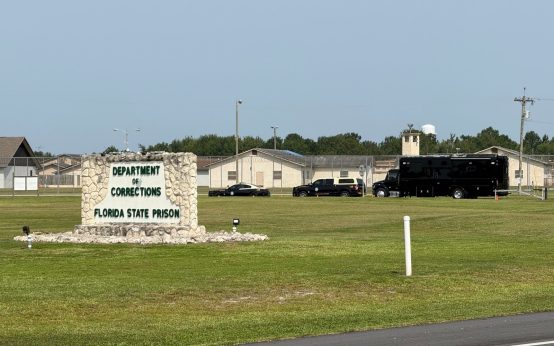 Florida Executes 77-Year-Old, Highlighting Rise in Elderly Executions
 Ocasio-Cortez and Manchin Campaign in Critical Maine Senate Race
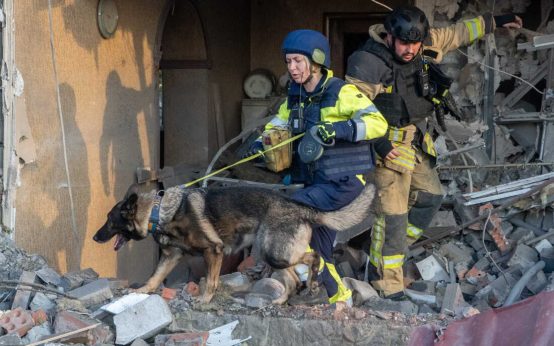 Ukraine Grapples with Missile Threat and International Relations
 Leveraging Investment and Technology for Military Modernization
 A New Challenge in the James S. Brady Press Briefing Room
 Trump Administration Announces $8 Billion Relief for Farmers Amid Criticism