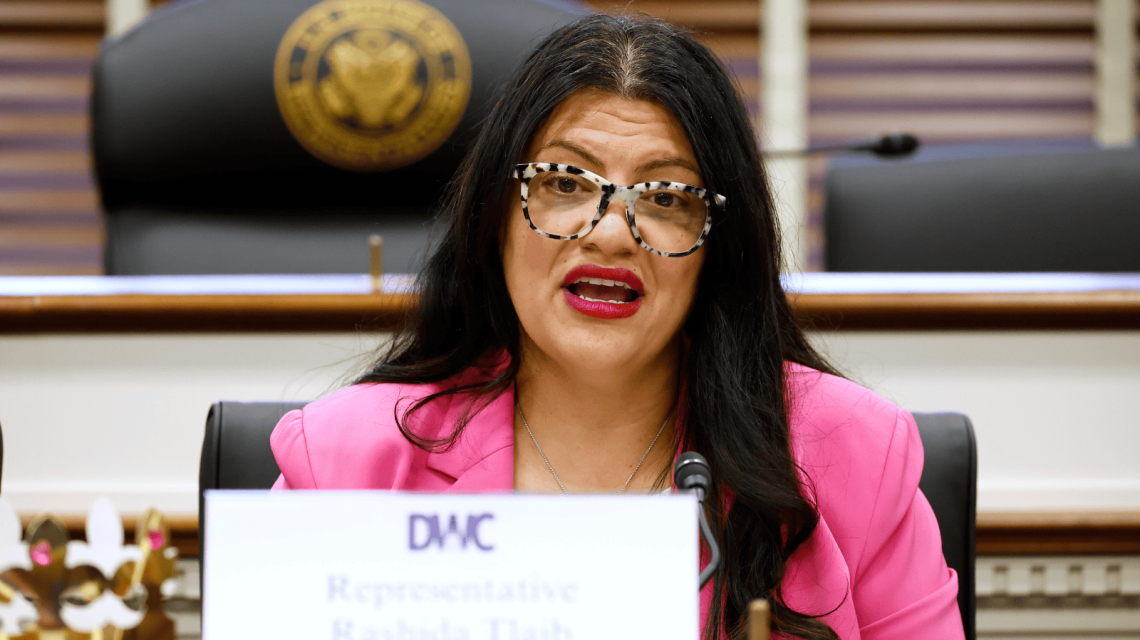
Introduction of the Get the Flock Out of Our Communities Act
Representative Rashida Tlaib, a Democrat from Michigan, has put forth the Get the Flock Out of Our Communities Act. This bill aims to block federal funds from supporting automated mass surveillance systems, including automatic license plate readers, biometric surveillance, and facial recognition technology. The reach of this proposal extends beyond halting future purchases. Systems acquired with federal money would need removal within 30 days of the bill’s enactment, with specific surveillance data also requiring permanent deletion within seven days.
Reasons for Growing Scrutiny
Heightened examination of Flock Safety and similar automated license plate reader systems has emerged due to issues concerning privacy, data sharing, and misuse allegations. While there are supporters who advocate for these cameras as effective crime-solving tools, the legislative proposal reflects broader concerns.
Automated license plate readers have become popular in law enforcement, sparking debate about whether their benefits outweigh the privacy costs of tracking vehicle travel.
Details of Tlaib’s Legislation
Tlaib’s bill, supported by Representatives Sylvia Garcia from Texas, Summer Lee from Pennsylvania, Ilhan Omar from Minnesota, Delia Ramirez from Illinois, Nydia Velázquez from New York, and Bonnie Watson Coleman from New Jersey, has been referred to the House committees on Oversight and Government Reform and the Judiciary. The bill broadly defines “automated mass surveillance systems” as those technologies capable of collecting, processing, analyzing, generating, retaining, using, or storing information on a large number of individuals.
Federal funds would no longer support the purchase, installation, maintenance, access, lease, or operation of these systems. Automatic license plate readers, biometric surveillance, and facial recognition systems are included. Additionally, federal agencies and officials would be restricted from acquiring, possessing, accessing, soliciting, or using these systems or their extracted information.
During a press briefing, Tlaib expressed concerns over free speech suppression and potential privacy invasions. She emphasized the detriments of allowing the technology to remain unregulated, posing risks regardless of changes in government leadership.
Impact on State and Local Agencies
For existing equipment financed through federal funds, the bill stipulates removal within 30 days post-enactment. Disallowed surveillance data would necessitate permanent deletion within seven days, with unlawful acquisitions rendered inadmissible in court proceedings. A financial incentive aims at state and local governance. Applicants of Byrne and Community Oriented Policing Services (COPS) grants must certify non-utilization of automated mass-surveillance technology.
The Department of Justice describes Byrne grants as resources tailored for state and local governments to enhance criminal justice, emphasizing drugs, violent crime, and serious offenders. COPS grants enable policing entities to increase officers or deputies nationwide, prioritizing violence reduction and crime mitigation through community engagement.
Controversy Surrounding Flock Safety
Flock Safety’s automated license plate readers capably document passing vehicles, aiding law enforcement by generating records for vehicle identification. Despite valuable uses, controversy has centered on data access and misuse risks. Reports have surfaced of law enforcement officers utilizing technology for personal monitoring, prompting increased scrutiny.
Responding to concerns, Flock Safety CEO Garrett Langley mentioned implementation of safeguards in August, including mandatory abnormal search reviews and reduced default retention of license plate data from 30 to seven days.
Immigration enforcement queries have compounded disputes. Flock claims exclusion of U.S. Immigration and Customs Enforcement, default disabling federal agency sharing, and customer-controlled data sharing options. Despite acknowledging past pilot projects with certain federal agencies, those initiatives have officially concluded.
Wider Congressional Efforts
Tlaib’s initiative exists within a wider congressional scope. Republican Representative Thomas Massie of Kentucky introduced the Flock-Off Act in September, prohibiting direct or indirect federal funding for related camera systems.
Another proposal followed from Republican Representative Greg Steube of Florida with the Facilitating Liberty and Accountability for Flock Observations Act, challenging governmental deployment of automated license plate readers on Fourth Amendment grounds.
Democratic Representative Alexandria Ocasio-Cortez of New York introduced the Ban Flock Act on October 1. Her bill seeks to restrict federal utilization of license plate readers absent statutory authorization, tying federal grant eligibility to certain restrictions at state and local levels.
Together, these initiatives reflect bipartisan concern regarding the technology’s implications, despite differing opinions on federal regulatory scope.
Next Steps for the Bill
The Get the Flock Out of Our Communities Act currently stands at the introduced stage, pending advancement through Congress for presidential approval.
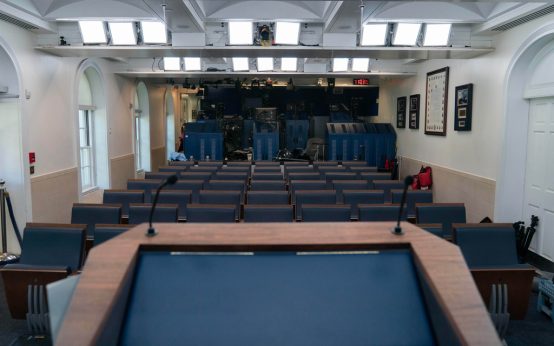 Lessons from the Briefing Room
 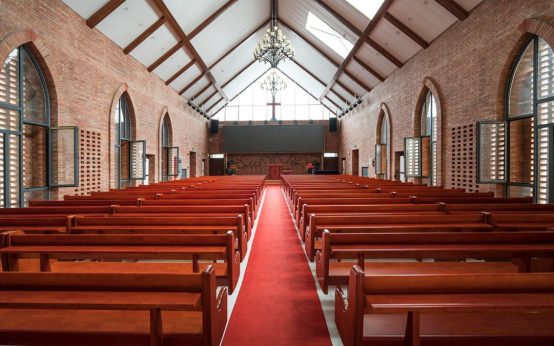 Religious Groups Oppose Hate Speech Training Law in California
  Addressing the High Recidivism Rates in the U.S.
  Public Execution and Its Implications
  Joe Manchin Cautions Democrats on Trump Investigations
  Pressure Mounts on Israel Over Settler Violence