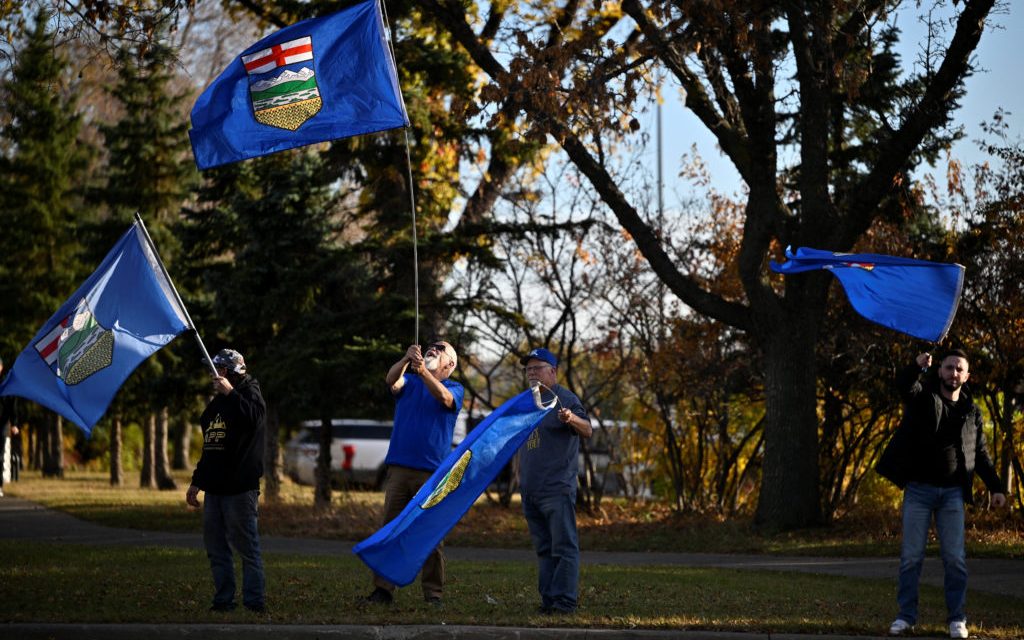
Alberta, known for its vast oil reserves, faces a pivotal moment as voters decide on a step toward a referendum about leaving Canada. This decision on October 19 won’t see Alberta leaving Canada immediately. Instead, it serves as a judgment on whether to initiate the legal process for a future referendum.
Premier Danielle Smith prompted this vote, although she advocates remaining in Canada. Recently, support for beginning the separation process stands at 23%, a figure Premier Smith finds concerning.
Albertans are being asked: should the province remain part of Canada or move towards independence?
Historically, Alberta has clashed with the Canadian federal government over issues related to oil and energy policy. Prime Ministers Pierre Trudeau and Justin Trudeau have faced contentious stances within Alberta regarding their energy policies. Past separatist movements typically garnered minimal voter support.
Several factors, including pandemic-era restrictions and the Freedom Convoy protests, have fueled separatism. The Freedom Convoy, initially opposing vaccine rules for truckers, expanded into a wider movement against pandemic regulations. Social media has enabled activists to connect and organize, strengthening the separatist cause.
Former Premier Jason Kenney noted that Alberta’s separatist movement evolved, becoming more professional with organized campaigns and raising funds. This movement overlaps with individuals supporting Russian President Putin or holding conspiracy theories.
Prime Minister Mark Carney is unique in his support within Alberta. He advocates bringing Alberta oil to new markets while opposing U.S. trade policies. Carney’s stance, seen as business- and energy-friendly, resonates with conservative Albertans. Jason Kenney praised Carney’s understanding of Alberta’s issues.
Activists have extended their campaign to Washington, seeking U.S. support for Alberta independence. Jeff Rath, an independence leader, confirms meetings with U.S. officials, discussing Alberta’s potential role if independent.
Alberta’s separatists are seeking international engagement to bolster their position.
Looking ahead, activist Keith Wilson views the vote as leveraging Alberta’s position in negotiations with Ottawa. He suggests substantial changes to Alberta’s relationship with Canada, even if full independence isn’t achieved.
Though Kenney sees the separatist movement not directly threatening Canada, it poses a challenge to conservatism within the province. Other provinces, like Quebec, also present national unity challenges, having hosted past independence referendums.
Ultimately, Alberta’s vote reflects broader debates and sentiments surrounding Canada’s unity and the role of federal policies.
 Mayors Advocate for Guaranteed Income as Federal Solution to Affordability Crisis
  Thousands Expected at ‘No Kings’ Rallies in Southern California
 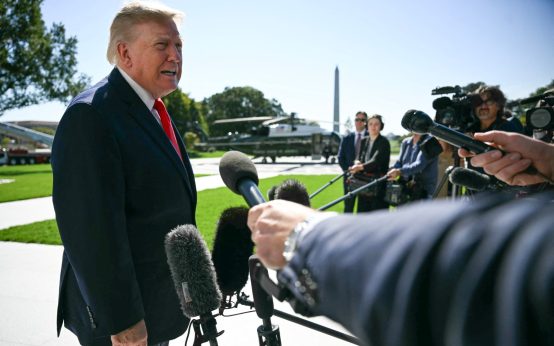 Controversy Over Trump’s Waiving of Key Russia Sanctions
 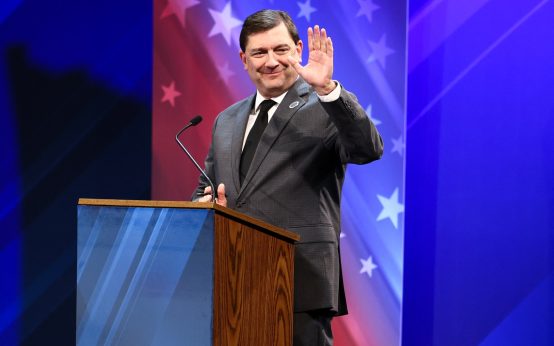 Maine Senate Race: Fundraising, Polls, and Debate Highlights
 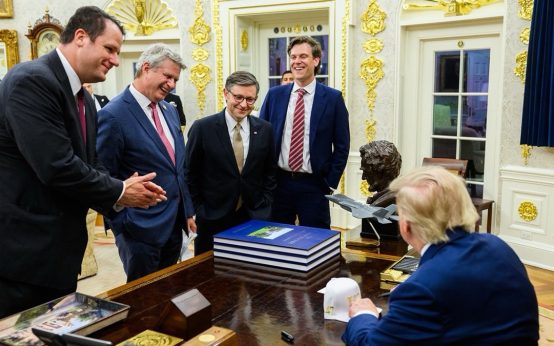 James Braid’s Influential Role in Trump’s Legislative Successes
  Federal Authorities Investigate Suspicious Mailings Before Election Day