Chef Anthony Vitolo delighted hosts and viewers with his classic Italian recipes during a special cooking demonstration. He expertly prepared a popular mozzarella dish, sharing professional tips for breading and frying it to perfection. The demonstration concluded with the group sampling the delicious result around the kitchen table.
Cooking rice, a common kitchen staple, often proves more challenging than expected. Achieving tender rice with separate grains can depend on a few essential steps, even before cooking begins, as explained by experts.
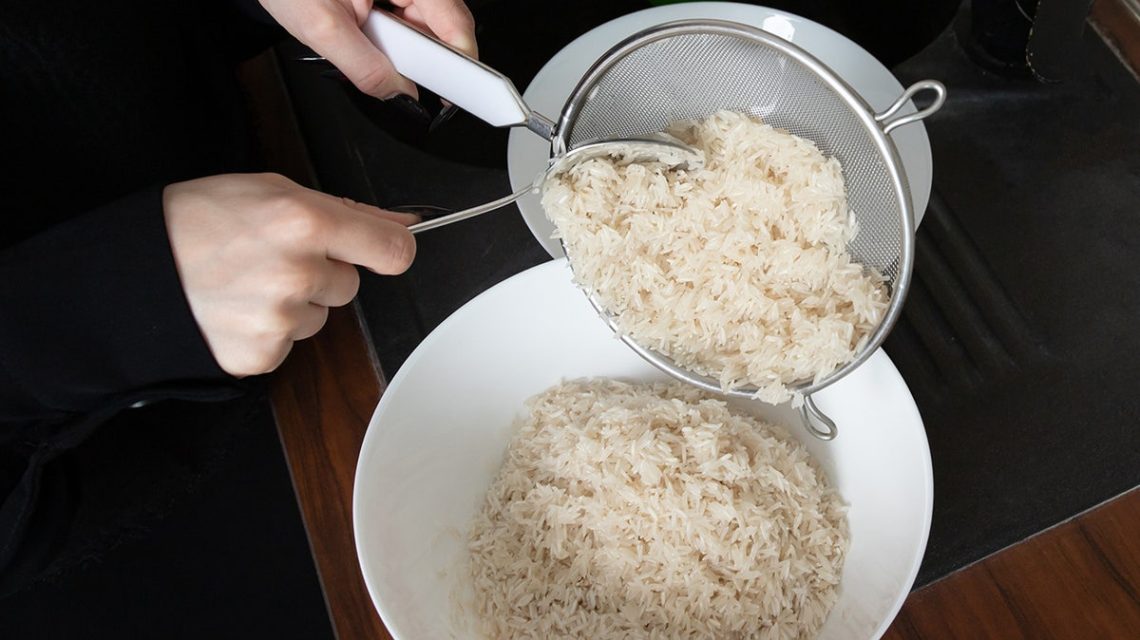
Dennis Littley, a New Jersey-based chef, emphasizes the importance of rinsing certain types of rice. “I generally rinse before cooking when I want a light, fluffy result,” he shares. Long-grain white, basmati, and jasmine rice should be rinsed until water becomes mostly clear. This process removes excess starch that causes clumping. Draining well is crucial to maintaining the correct water-to-rice ratio.
Rinsing helps remove excess starch, resulting in non-gummy rice.
However, rice varieties differ in treatment. Littley notes that technique adjustments are vital based on the type of rice used. Christine Pittman, CEO of COOKtheStory, advises rinsing short-grain rice and avoiding it for dishes like risotto, where starch is desirable for creaminess.
A Food & Wine test indicated that rinsed and soaked basmati and jasmine rice turned out fluffier than unwashed rice. Soaking also benefits long-grain rice, as it supports even hydration and distinct grains.
Pittman advocates using slightly less than 2 cups of water per cup of long-grain white rice. For Japanese short-grain rice, start with 1 1/4 to 1 1/2 cups of water per cup. Brown rice differs, needing more water due to its bran layer.
Proper water ratio and cooking time vary by rice type and preference.
Chef Littley suggests toasting rice briefly in oil or butter post-rinsing for added flavor and grain definition. Once in the pot, allow boiling, then simmer and cover without lifting the lid. Post-cooking, let rice rest covered for even moisture distribution.
Both experts stress the importance of fluffing rice with a fork using gentle motions to avoid grain damage. If undercooked, return it to heat with a touch of hot water. Pittman notes that while overcooked rice is undesirable, undercooked rice poses a worse outcome.
Following these expert insights and techniques results in perfectly cooked rice, a joy to complement any meal.
 Conor Kennedy and Giulia Be’s Wedding Celebration in Rio de Janeiro
  Country Stars and Their Hunting Adventures
  Bert Kreischer’s Perspective on Crafting a Simple Yet Delicious Burger
  Overview of Screencaps and Latest Developments
  Top Sports Bars for Watching College Football, Baseball, and European Soccer
  Navigating Generosity with Friends