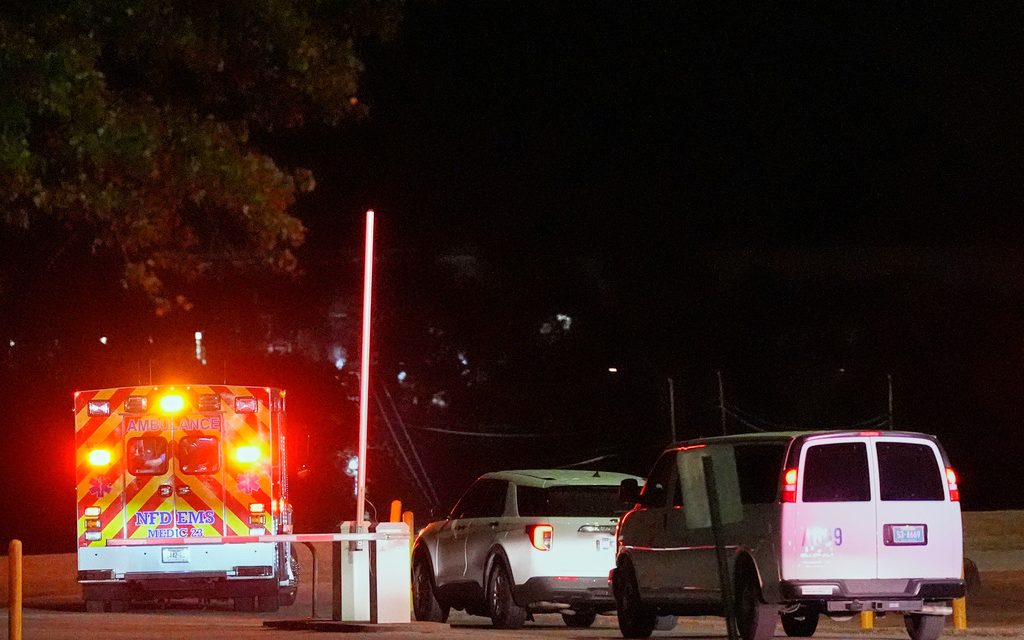
Emergency vehicles departed Riverbend Maximum Security Institution on September 30, 2026, in Nashville, Tennessee, following the halted execution of Christa Pike. This event serves as a stark reminder of America’s ongoing reliance on the death penalty. After a failed execution in Tennessee, an announcement from the Trump administration proposed broadcasting an execution as a grim spectacle. The widespread backlash led to the proposal’s reversal, exposing the cruelty and flaws of the practice. It’s crucial to question why executions continue rather than how they can be made more acceptable.
Defense Secretary Pete Hegseth revealed plans to livestream the execution by firing squad of former Army Major Nidal Malik Hasan. Convicted for the 2009 Fort Hood shooting, Hasan’s execution would mark the first military execution in over sixty years. Broadcasting it would align the U.S. with authoritarian regimes that use public executions to display power and intimidate citizens. Criticism came from various parties, including former military officials, the pope, and some of Trump’s party members. President Trump later canceled the livestream, although the execution is still scheduled.
Prior to Hegseth’s announcement, Tennessee’s attempt to execute Christa Pike failed, leaving her in critical condition. She survived two doses of lethal injection drugs during the attempt. Evidence of cruelty becomes another issue to address as executions persist. Failed procedures prompt searches for improved methods, while proposed public executions spark demands to hide the act from public view.
Earlier in 2026, Tennessee tried to execute Tony Carruthers, subjecting him to a torturous ordeal. Efforts to establish an IV line lasted over 90 minutes, causing significant pain and injury. The experience highlighted the violence lethal injection was intended to obscure. Despite efforts to present executions as clinical procedures, reality remains unchanged.
The commitment to preserving executions has led to grim experimentation without guarantees of cruelty-free executions. For instance, Kenneth Smith in Alabama experienced intense pain during the state’s first nitrogen hypoxia execution in 2024. Meanwhile, South Carolina’s firing squad took longer than expected to kill Mikal Mahdi in 2025.
The Supreme Court requires those challenging execution methods to propose feasible alternatives, turning constitutional protections into debates about execution methods. The Eighth Amendment against cruel and unusual punishment should focus on human dignity. This suffering record and proposals for state-sanctioned killing merit scrutiny towards abolishing executions.
Secrecy conceals prolonged suffering from public view, though direct witnesses endure trauma. The Pentagon’s cancelled livestream offers an opportunity to evaluate the practice itself. Scrutiny must extend beyond visuals to address the punishment’s fundamental cruelty. Human dignity demands the end of the death penalty.