
College football’s transfer dynamics have taken an unexpected turn. The Michigan Wolverines are on the brink of adding two players to their squad this season, enabled by a court decision.
A Washtenaw County Circuit Court Judge issued a temporary restraining order allowing former Miami Hurricanes tight end Alex Bauman and former Boise State defensive back Jeremiah Earby to play immediately. The court’s decision follows a series of legal battles by athletes seeking eligibility under new NCAA guidelines.
Judicial Intervention
Bauman and Earby have already enrolled at Michigan, though they have yet to officially join the roster. The matter remains under Michigan’s discretion, and the school has yet to comment on the potential signings.
The court order allows both players to enter the transfer portal. The timing of these orders, notably issued within the Ann Arbor area, raises questions about strategic legal placements aimed at gaining eligibility.
NCAA Legal Challenges
The NCAA introduced new competition guidelines, prompting multiple lawsuits from athletes like Jeremiah Earby, who argued for a chance to extend their collegiate careers. Earby, who recorded 60 tackles with Boise State, was left without a professional opportunity, leading him to seek legal recourse for another year of eligibility.
Similarly, Alex Bauman, who played for the Miami Hurricanes in the 2025 national championship, took legal steps to play an additional season. His career began at Tulane, where a successful 2024 season earned him a spot at Miami.
Legal Landscape
These developments highlight the growing trend of judicial intervention in college athletics. Legal victories empower athletes to extend their collegiate careers amid new NCAA regulations. School decisions will ultimately determine the outcome, and Michigan’s stance is yet to be clarified.
The NCAA’s courtroom battles signal the unpredictability college sports face today. For institutions confronting these challenges, the focus remains on compliance and the potential re-evaluation of transfers and eligibility criteria.
 Americans Unite to Honor Dale Earnhardt’s Legacy
 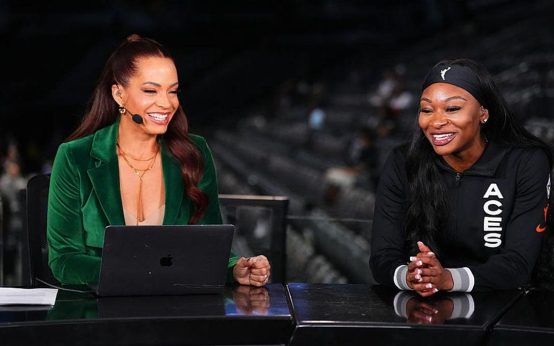 Criticism of WNBA Discourse and Perceptions of Black Women
 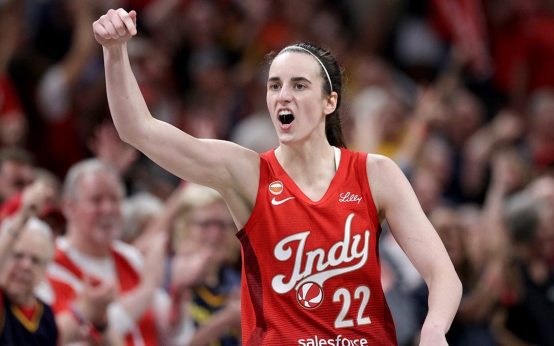 Caitlin Clark Boosts WNBA Viewership in 2026 Season
 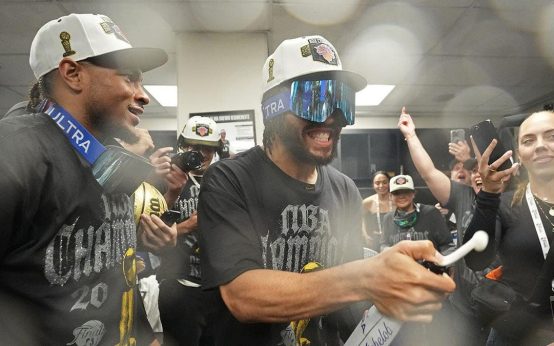 NBA Season Preview: Championship Predictions and Betting Insights
  Teen Wrestler Seeks Emergency Supreme Court Relief Amid Controversy
 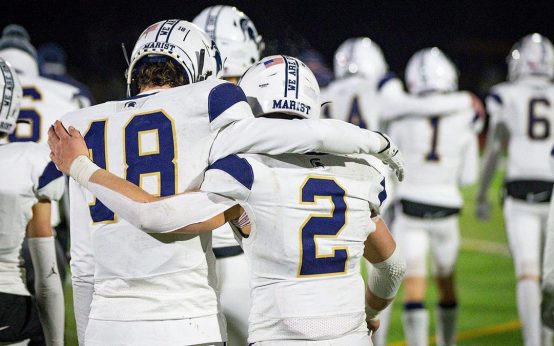 Oregon High School Football Coach Let Go After Controversial Game