Alfred Nobel’s Vision
Alfred Nobel intended the peace prize to reward individuals who had significantly advanced peace among nations. However, the committee often awards the international activist class, recognizing those who align with progressive political views rather than direct contributions to world peace.
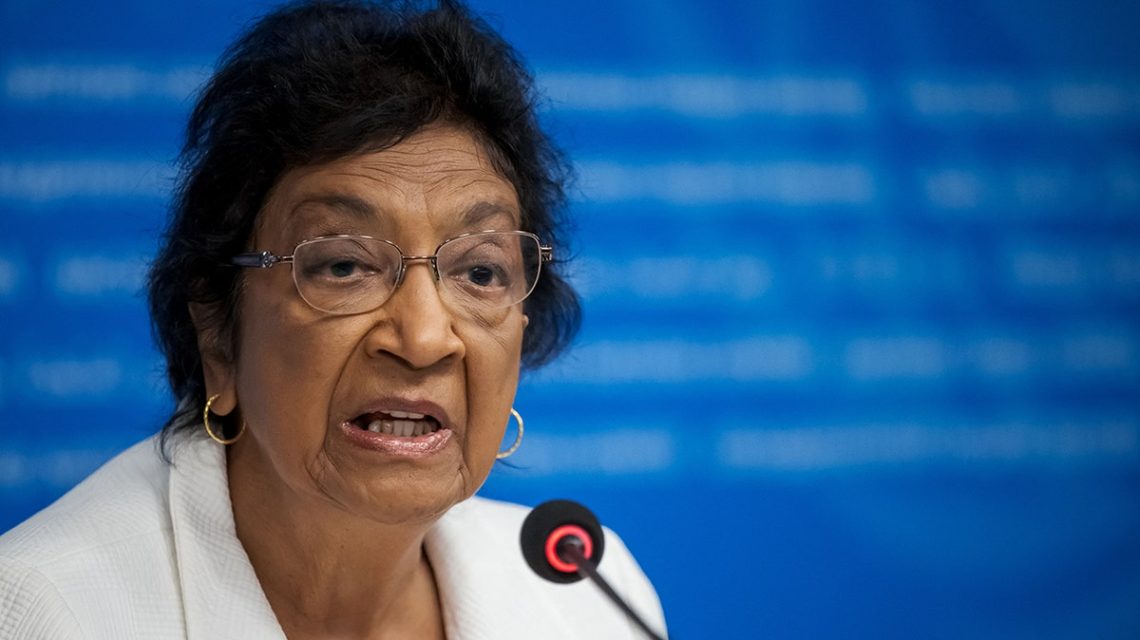
Case Study: Navi Pillay
Navi Pillay’s recent selection highlights this trend. Known for chairing a U.N. commission that accused Israel of genocide in Gaza, her award suggests that within the U.N., criticism of Israel can be seen as a mark of moral seriousness.
Pillay has shown tendencies that prioritize limiting speech over defending it. After Danish newspapers published Muhammad cartoons, her reaction was to suggest censorship over defending free speech.
Her views extended to similar controversies, including criticisms of Charlie Hebdo for its provocative publications. When faced with the violence against free speech, Pillay often focused criticism on those exercising their rights rather than on those threatening these rights.
Pillay also supported Miloon Kothari, who made antisemitic remarks about a ‘Jewish lobby’ controlling social media. This led to a canceled event in her honor in Berlin.
Past Decisions Reflecting Trends
History shows similar decisions with controversial figures like Yasser Arafat, Henry Kissinger, and Al Gore receiving awards under debatable circumstances. Political alignments seem to have influenced these choices over clear contributions to peace.
The Case for a Different Approach
Consider the Abraham Accords. They normalized relations between Israel and several Arab states, showing tangible diplomatic achievement. Despite this, the Nobel Committee seems unlikely to recognize such a contribution due to political biases.
Committee’s Influence
The Nobel Peace Prize is awarded by a committee appointed by Norway’s parliament. Their decisions reflect their personal progressive views, often sidelining significant diplomatic achievements.
The Nobel Foundation in Stockholm cannot reclaim control due to Nobel’s stipulations. However, scrutiny and criticism of the committee are necessary. It’s crucial to distinguish between promoting peace and supporting favored political causes.
Conclusion
The Nobel Peace Prize’s current direction undermines its historical integrity. By awarding politically aligned causes, it loses credibility as a beacon of peace. A reevaluation of criteria based on Nobel’s original vision remains essential.
 Kushner’s Diplomatic Role and Travels Under Scrutiny
  Understanding American Politics from a Chinese Perspective
  Hurricane Trudy Advances Toward Mexico
  ADL Criticizes Wikipedia Over Unaddressed Biased Edits
  Sally Rooney’s Books Pulled from UK Amid Controversy
  Hong Kong’s Financial Resilience Amid Political Changes