Recognizing the Power of Community and Faith in Recovery
The recent executive order, termed the Great American Recovery Initiative, by President Donald Trump on January 29, seeks to address the widespread issue of addiction in a holistic manner, combining health initiatives, community support, and faith-based efforts. Naming the initiative after Bill W. and Dr. Bob, the founders of Alcoholics Anonymous (AA), seems appropriate since its foundation mirrors the community-centric approach championed by AA. In December 1934, Bill Wilson experienced a profound spiritual awakening that led to his liberation from alcoholism. This transformative moment was pivotal in the creation of the 12-step program that has since helped countless others.
Alongside Bill W., Dr. Robert Smith also overcame severe alcoholism, forming a partnership that extended their recovery to others. Together with Sister Ignatia, they provided essential medical and spiritual support to individuals battling alcoholism across the United States.
The New Initiative’s Approach and Goals
The executive order’s focus on bringing together government, healthcare, faith communities, and the private sector is reminiscent of AA’s approach, which relies heavily on community and support networks. The initiative aims to save lives, restore families, and strengthen communities.
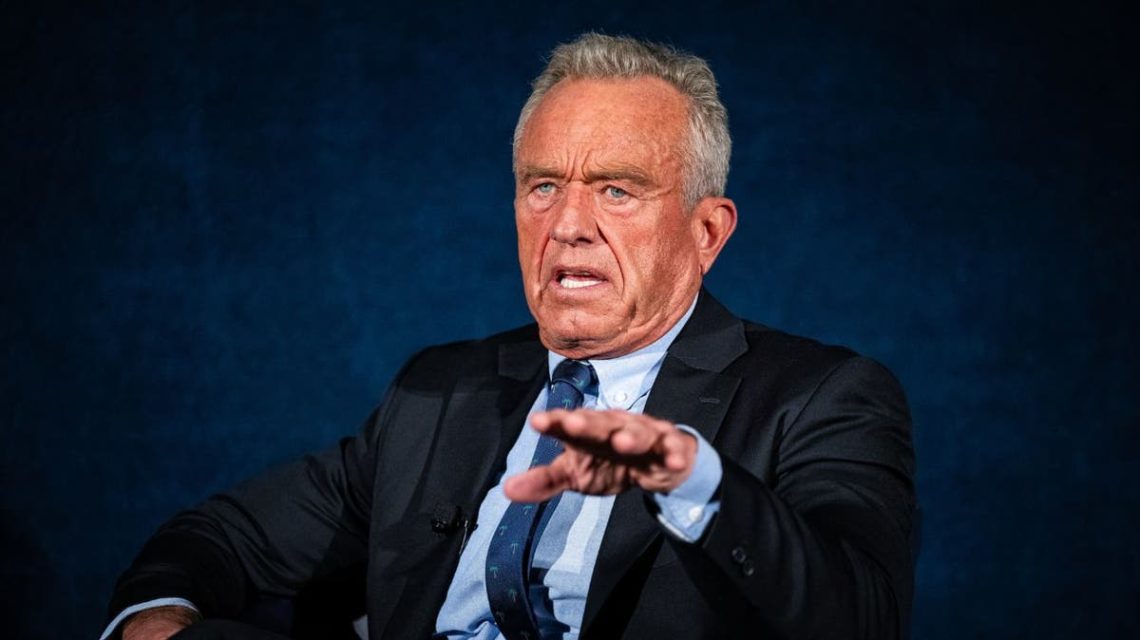
Accompanying this initiative is the Health and Human Services’ (HHS) new $100 million program known as Safety Through Recovery, Engagement, and Evidence-based Treatment and Supports (STREETS), unveiled by HHS Secretary Robert F. Kennedy Jr., a recovered heroin addict, in collaboration with notable figures like former Representative Patrick Kennedy.
Addressing Denial and Emphasizing Role Models
Denial remains a significant hurdle for many addicts, and AA emphasizes the importance of faith and role models in overcoming it. As highlighted by the White House, approximately 48.4 million Americans suffer from addiction, with a large number not receiving treatment. During Trump’s presidency, he personally reflected on the impact of addiction, acknowledging the struggle of his brother Fred with alcoholism.
Integrating Scientific and Faith-based Solutions
Combining scientific advancements with faith-based approaches is critical in the fight against addiction. Medications like buprenorphine and naltrexone have shown promising results in reducing cravings and euphoria, while GLP-1 agonists are emerging as effective in decreasing substance use. Medical therapy such as methadone has evidently reduced opioid-related deaths significantly.
Reinforcing this holistic approach to recovery, every primary care physician should be empowered to prescribe these medications, with federal support for church and synagogue-based recovery programs.
The Path Forward: Learning from AA’s Legacy
Addiction’s impact extends beyond individuals to affect families and communities, requiring a multi-faceted response. With AA’s model of spiritual care and support demonstrating enduring value, adopting similar strategies can guide effective addiction recovery efforts moving forward.
Dr. Marc Siegel, a professor at NYU Langone Medical Center and medical analyst, emphasizes these points in his upcoming book ‘The Miracles Among Us,’ underscoring the indispensable role of grace and scientific advancement in healing.
 Potential Ban on 7-OH Fuels Concern Among Illinois Residents
  Heidi Overton Defends Vaccine and Abortion Pill Safety
  Tomato Paste Consumption: Effects on Cognitive Functions
  Insights from Latest ‘Healthful’ Episodes: Bone Health, Fertility, and More
  Northern Ireland Woman’s Journey Through Painful Spinal Condition
  Reducing Ultra-Processed Foods Can Enhance Mental Health