A new report by the U.S. Energy Information Administration (EIA) highlights varied heating costs for households this winter. Some may experience minimal changes, but others could face increases of 20% or more.
The EIA’s Winter Fuels Outlook offers insight into expected heating costs and energy consumption. It considers the four main heating fuels and forecasted temperatures across the U.S., alongside the impact of an unprecedented El Niño weather pattern.
Energy prices and local weather are critical factors affecting heating costs, says the EIA. Generally, homes using natural gas or propane will likely have reduced energy expenses due to lower fuel prices. Conversely, those using electricity or heating oil may see cost hikes.
Between November and March, households using natural gas could see a 9% cost reduction, the largest decrease among fuel types. Propane users may experience about a 3% drop. For homes using electricity, costs might increase by 4%, while those using heating oil may face a 21% rise. Only 3% of U.S. households use heating oil.
Regional temperatures could influence these costs. While similar or warmer temperatures are forecasted in the South, Midwest, and Northeast, the West may encounter a colder winter. This could mean natural gas and electricity bills in the West increase by approximately 7% and 9%, respectively.
Western region households:
- Natural gas: +7%
- Electricity: +9%
Southern region households:
- Natural gas: -15%
- Electricity: +3%
Midwestern region households:
- Natural gas: -10%
- Electricity: +3%
Northeastern region households:
- Natural gas: -14%
- Electricity: -3%
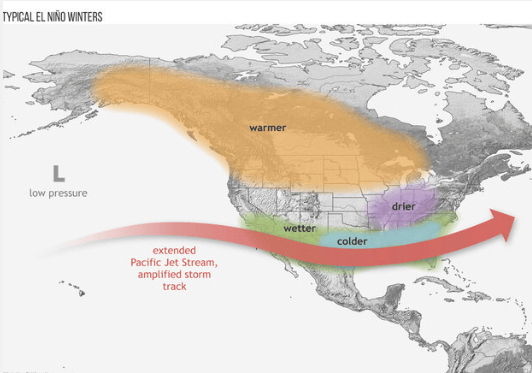
This year’s El Niño, which may be the strongest on record, could drastically alter forecasted temperatures. Predicted to peak between October and December, El Niño historically impacts North American weather. It typically brings warmer, drier conditions to the North and Ohio Valley, while the South may experience wetter conditions.
Columbia University climate scientist Azhar Ehsan noted that 2023’s El Niño resembles that of 1997, a powerful system that caused significant weather anomalies. In 1997, the Northeast experienced ice storms, while flooding rain hit the Southeast and California. This abnormal weather pattern led to a 10% decrease in heating costs nationwide.
As energy expenses have increased, these potential savings could benefit households. The National Energy Assistance Directors Association estimates that U.S. households will spend over $1,000, on average, to heat their homes this winter.
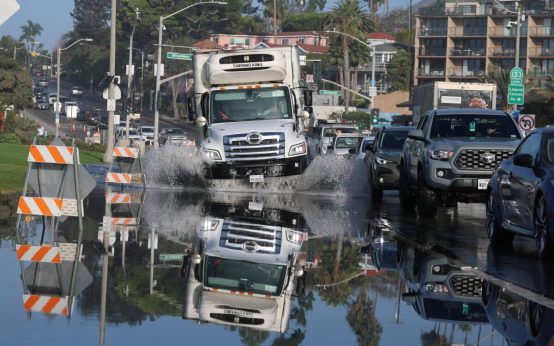 Tropical Storm Rachel and Coastal Hazards for Southern California
  Hurricane Simon Surges Toward Mexico as Category 4 Storm
 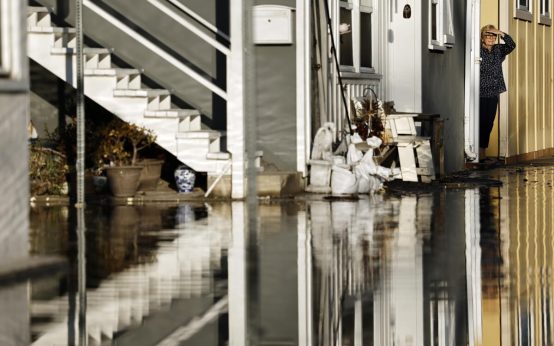 California Faces Unusual Coastal Flooding Amid Predictions of El Niño Winter
  Supreme Court Case on Climate Lawsuits Threatens Oil Industry
 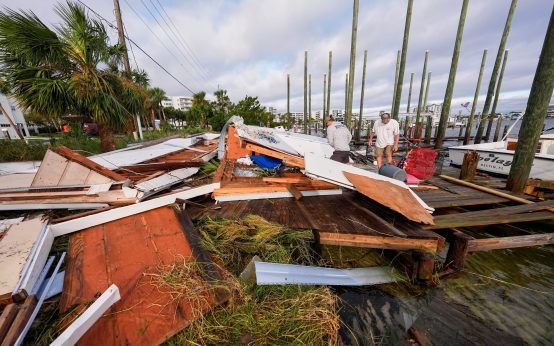 Hurricane Isaias: Impact and Aftermath
  Storm Updates and Impact Reports in the Southeast