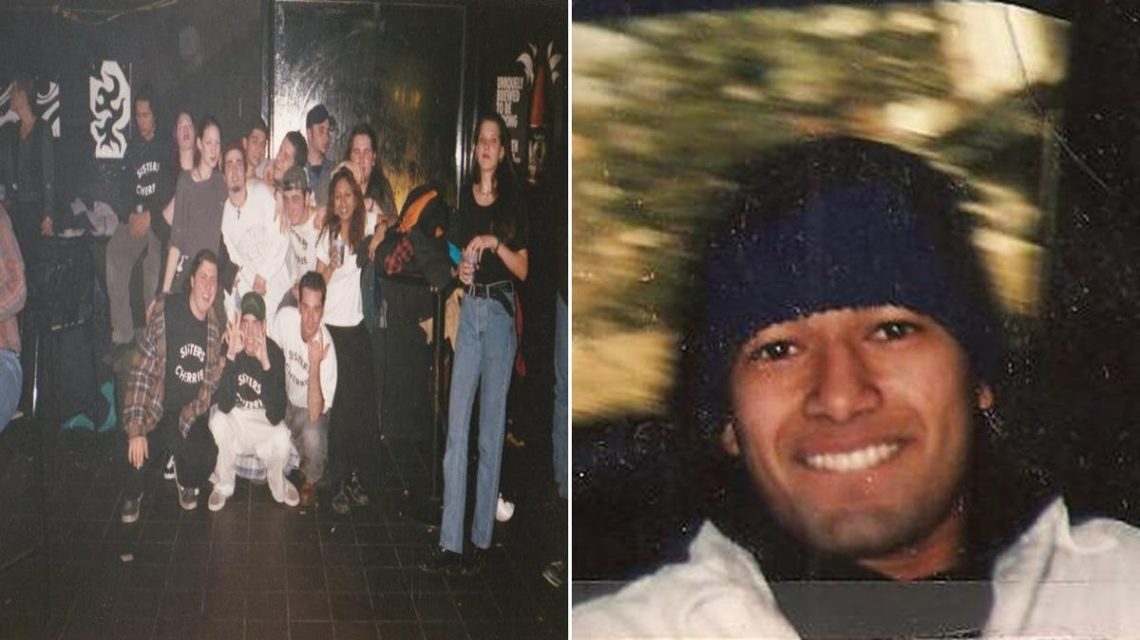
Mubin Shaikh, once radicalized by the Taliban, has transformed into a counter-terrorism expert for the United States and Canada. He speaks openly about the radicalization process and its warning signs to help prevent future extremist threats.
Early Signs of Radicalization
Shaikh identifies a key indicator of radicalization as what is known as ‘pathway to violence behaviors.’ This includes conducting reconnaissance on potential targets, such as local synagogues or mosques. Awareness of these signs among parents, educators, and community members is crucial in preventing attacks.
Personal Journey of Radicalization
Shaikh’s radicalization began after a house party where his uncle criticized him harshly, leading him to seek religious guidance. This pivotal event initiated his travels to India, Syria, and Pakistan where he encountered the Taliban, who emphasized the importance of militant jihad to achieve success in this life and beyond. This message resonated with Shaikh as a young man searching for meaning and identity.
Shift in Perspective
Getting married marked a turning point for Shaikh, as his priorities shifted towards family and a future filled with possibilities. Intimacy needs and real-life responsibilities began to replace the allure of extremist ideologies. The tragic events of September 11, 2001, further catalyzed his deradicalization, prompting Shaikh to study Islamic teachings in Syria for two years.
Contributions to Counterterrorism
After returning to Canada, Shaikh learned that an acquaintance from his Quran school had been arrested on terrorism charges. This led him to contact the Canadian Security Intelligence Service (CSIS), who then recruited him as an undercover agent. By 2012, Shaikh actively participated in counter-ISIS operations upon request from the US government, solidifying his role in the fight against terrorism.
Current Work
Today, Shaikh serves as an exit peer specialist for Parents for Peace, a nonprofit aimed at preventing radicalization through timely intervention, particularly among young people. He emphasizes the transformative impact seen in individuals who leave extremist beliefs behind, improving their lives and reuniting families.
This ongoing work provides hope in countering extremism and underscores the importance of timely intervention for positive outcomes.
 A Journey from Abandonment to Embracing Identity
  Vicky Titcomb’s Cancer Journey and Treatment Advances
  Mike Ditka: A Legacy in Football
  Pro Wrestler KJ Orso Showcases Native American Heritage
  Concerns Over Reimbursement Cuts for Autism Care in Georgia Medicaid
  AI’s Role in Enhancing Human Connection Through Innovative Ventures