Espionage is a global activity, but China’s approach stands out due to its unique legal framework mandating citizens and organizations to contribute to national intelligence efforts. Since 2017, this policy has been in effect, showcasing China’s commitment to its intelligence operations. The country’s espionage capabilities have evolved significantly over the years, especially after dismantling a large CIA spy network over a decade ago. Today, China’s clandestine activities extend to American soil.
Christine Fang, who left the U.S. during an FBI investigation in 2015, exemplifies China’s espionage strategies, using social influence, financial incentives, and power dynamics. As a political campaign volunteer in California, Fang attempted to compromise political figures, including Eric Swalwell, a former U.S. Congressman. Her efforts were unsuccessful, but others continue her mission.
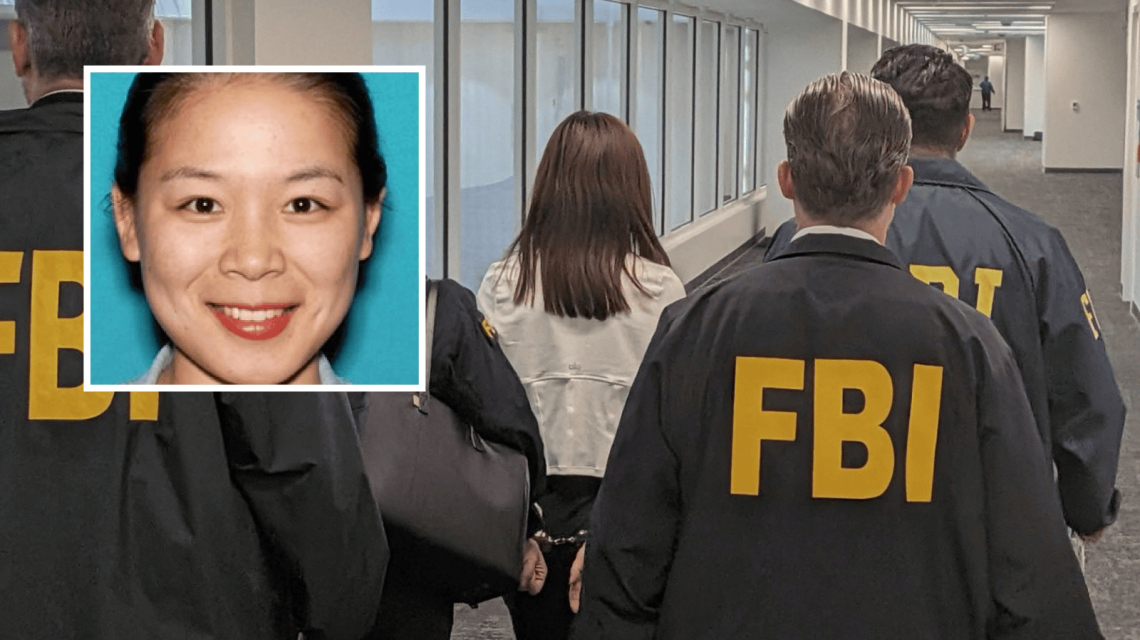
Recently, Orange County realtor Wanying Zhang, known as “Heather,” was apprehended attempting to embark on a flight to Shanghai from Los Angeles International Airport. The FBI accused the 34-year-old, who is a naturalized U.S. citizen, of acting as an unregistered agent for the Chinese government. Zhang’s educational background aligns with Fang’s, highlighting similar training grounds.
Roman Rozhavsky, a senior FBI counterintelligence official, revealed that Zhang was activated for an audacious scheme targeting Taiwan’s presidential family. However, Zhang is considered merely a tool in Beijing’s extensive espionage strategy. The lure of cooperation with Chinese interests appears so strong that even U.S. citizens sometimes comply.
China’s Recruitment Practices
Records identify Zhang as originally from Hunan province in China, with past appearances on dating shows. After her move to the U.S. in 2014, she obtained a master’s degree in public administration from the University of Southern California in 2016.
Her aspirations were broad, aiming to retire early and explore global destinations, according to her profile on Xiaohongshu, a popular Chinese social media platform. Professionally, Zhang has achieved significant business success in real estate, as evidenced by 125 sales recorded on Zillow.
Zhang’s ties to Chinese intelligence are attributed to her education at the University of International Relations in Beijing, synonymous with preparing operatives for China’s Ministry of State Security (MSS). This institution is well-known as a cornerstone in training intelligence personnel.
Kevin Holt, a Special Agent with the FBI, filed the complaint leading to Zhang’s arrest, describing her recruitment by a former classmate and subsequent MSS interactions. These meetings, held in China, aimed to mitigate exposure to U.S. counterintelligence efforts.
On September 1, 2025, Zhang, alongside an accomplice, traveled to Seattle to gather intelligence on relatives of Taiwan President Lai Ching-te. They documented family members via photos and videos, forwarding the data to Chinese operators through WeChat.
Security camera footage and electronic records from Zhang’s iCloud account confirmed her activities. FBI Director Kash Patel highlighted the audacity of these actions, emphasizing the improbability of avoiding repercussions.
Karen Kuo, representing Taiwan’s presidency, described the incident as typical of transnational repression. Zhang’s charges include violating 18 U.S.C. § 951, acting as an unregistered foreign agent. Zhang remains innocent until proven guilty, with potential penalties of up to 10 years in prison.
China’s Persistent Espionage Tactics
Fang’s motivations appeared influenced by status and wealth, whereas Zhang’s incentives are less clear. Holt expressed uncertainty regarding any personal or commercial gains from Zhang’s surveillance activities.
Recently, China denied involvement in Zhang’s case. According to spokesperson Guo Jiakun, China opposes defamatory narratives about Chinese espionage.
While Beijing could view the situation as a setback, the country remains undeterred. Previous incidents, including the surveillance balloon incident, demonstrate China’s determination to pursue its strategic goals.
China leverages varied espionage techniques, often operating within gray areas. This includes influencing private individuals and engaging overseas Chinese groups in influence operations. These methods often evade traditional legal frameworks, presenting challenges for American countermeasures.
Taiwan remains a focal point of China’s strategies. Beijing views Taiwan as Chinese territory, consistently working to destabilize its defense capabilities and democratic foundations. U.S. officials warn that losing Taiwan could significantly harm American interests.
Holt’s complaint underscored how gaining leverage over Taiwan’s leadership could aid Beijing in potential conflicts, emphasizing the importance of intelligence on key governmental figures.
Engaging in espionage against Taiwanese officials within U.S. borders deviates from diplomatic norms, illustrating China’s commitment to its intelligence objectives.
Despite setbacks, China’s espionage network remains resilient. Disrupting one operative merely paves the way for others to emerge, reflecting the ongoing challenge of countering such activities.
 South Africa Withdraws Asylum Order After Protests
  Escalating Conflicts and Diplomatic Efforts in the Middle East
  Iran’s Struggles in the Strait of Hormuz
  Navi Pillay Awarded Nobel Peace Prize for 2026
  Jimmy Kimmel Jokes About Trump Ahead of Nobel Peace Prize Announcement
  Controversial Rap Song Sparks Investigation Amid French Protests