
The federal maritime law known as the Jones Act faces scrutiny as defenders argue it prevents Chinese expansion in U.S. shipping lanes. Yet recent events suggest reforming the Jones Act could benefit Americans broadly.
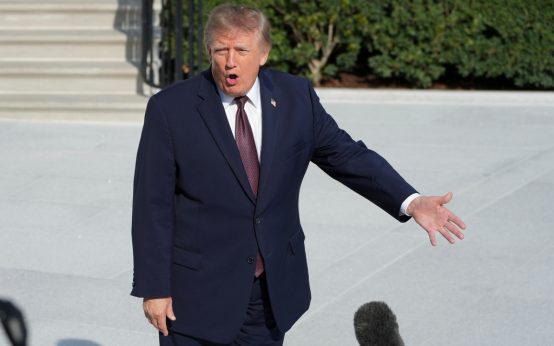
The Jones Act mandates that ships moving goods between U.S. points be built and flagged in the U.S., mostly owned, and crewed by Americans. Despite the apparent protectionism, President Trump has suspended these requirements for shipments of fuel and fertilizer since March 17. Initially waived for 60 days due to national security concerns related to Iran, the waiver was extended twice — each time with more conditions and a narrower list of qualifying fuels and fertilizers.
Allowing certain shipments to bypass the Jones Act has provided data on how these restrictions impact U.S. shipping. By September 17, 200 ships completed 259 voyages delivering gas, oil, and other commodities domestically — journeys previously impossible under the Act. Significantly, ships from a Chinese company conducted less than 3 percent of these voyages. By contrast, vessels from Denmark, Greece, Japan, and Singapore accounted for half of the waiver activities, and those from Switzerland and Monaco comprised about 20 percent.
U.S. companies not meeting all Jones Act criteria still benefit from the waiver. They completed around 25 percent of these shipments. This arrangement has expanded accessibility for U.S.-made products, essential for industries like agriculture.
For example, nine shipments of anhydrous ammonia, a crucial fertilizer component, moved between Gulf Coast ports which otherwise lacked United States-compliant liquefied petroleum gas tankers. Similarly, Puerto Rico has seen bulk propane shipments; under regular Jones Act restrictions, such shipments would be unfeasible. Hawaii also reaped benefits in May and July with fuel deliveries from Houston and the Gulf Coast, alongside propane shipments fulfilling half of its annual demand so far.
The waiver experience indicates that U.S. companies would prefer domestic products if the Jones Act’s supply limitations were not present. Yet proponents continue to argue amendments would aid China over the U.S. Data contradicts these claims. Hawaii regularly receives goods bypassing the Act on vessels from Japan, Singapore, and Greece. Just 7 percent arrive from China or Hong Kong. The U.S. Virgin Islands, never under the Act, sees cargo mostly on ships from U.S. carriers Crowley and Tropical Shipping.
Dismissing China as an excuse to maintain a limiting status quo, legislators could consider allowing domestic shipping on vessels linked to U.S. allies. This would increase options for American businesses and consumers, enhancing U.S. connections with Europe and East Asia. With the waiver expiring on November 15, Congress and the President should explore reformations to better benefit American citizens.
 Trump’s Use of Taxpayer Dollars for Political Advertising Sparks Controversy
  J. Dennis Hastert’s Legacy and Controversies
  Growing Support for White Nationalism Among Young White Men in the U.S.
  Erratic Policy Shifts Before Midterms Reflect Tensions in Trump Administration
  Spanish Prime Minister Calls for Snap Elections Amid Rising Protests
  Challenges and Opportunities for Democrats in the Upcoming Elections