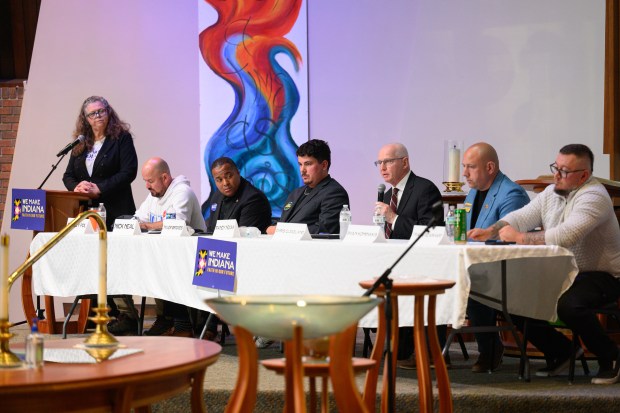
Candidates shared their perspectives on issues like NIPSCO oversight, data centers, and affordable housing at a forum held at First Presbyterian Church. We Make Indiana, a faith-based nonprofit organization with a chapter in Porter County, sponsored the event for candidates from various races including Indiana House, Senate, County Council, and commissioner positions.
NIPSCO Oversight
During the forum, candidates were questioned about the affordability and reliability of electrical services. Moderator Sonia Fabbri highlighted the 92% increase in monthly NIPSCO bills, rising from $122 in 2016 to $234 in 2025. Democrat Rodney Pol Jr., the incumbent in Senate District 4, criticized House Bill 1002 as ineffective, particularly for removing the sales tax exemption on NIPSCO bills and failing to cap rate increases. He emphasized concerns over private equity ownership in utilities.
Several candidates discussed the Indiana Utility Regulatory Commission (IURC). Democrat Nick Neal advocated for an elected board for IURC, criticizing the current structure where all members are appointed by the governor. Tyler Bridges suggested a bipartisan approach for the commission’s makeup.
Republican Chris Cleveland, running for House District 9, called for auditing utilities and critiqued NIPSCO’s management. He pointed to Gov. Mike Braun’s role in removing IURC members and alleged cozy relationships between commission members and utility representatives.
Data Centers
Candidates addressed conditions for building large-scale data centers in Porter County. Democrat Kyle Nelson, running for commissioner, supported a moratorium like Valparaiso’s, seeking more reports on environmental and quality-of-life impacts. Republican Mike Brickner opposed a moratorium but favored local zoning control to decide where data centers should be built.
Concerns were expressed about nondisclosure agreements and lack of public awareness when data centers are proposed. Julia Kocal demanded transparency and environmental considerations, such as using clean energy and managing water use responsibly.
Affordable Housing
Home prices in Porter County have surged by 53% since 2019. Candidates explored solutions to make housing affordable. Travis Gearhart proposed reducing zoning restrictions, permit fees, and minimum lot sizes. Ryan Kominakis suggested grants for new homebuyers to help with mortgage insurance expenses.
For Tyler Bridges, the lack of affordable rental properties is a challenge for younger people. He advocated for incentives to encourage young families to buy homes.
Kocal stressed the importance of building duplexes, townhomes, and affordable housing where infrastructure already exists. A partnership between local entities and developers could facilitate acquiring grants for housing initiatives.
Brian Gulley echoed similar concerns, mentioning past housing developments in Portage and advocating for smaller lot sizes that promote higher population density.
Only 14 of 21 invited candidates attended the forum, with a larger audience turnout than expected at 150 attendees. The importance of transparency, accountability, and local involvement in decision-making was a consistent theme throughout the discussions.
 Jay Clayton Appointed as White House AI Czar
  Emanuel Sparks Debate on Democratic Party’s Direction Amid Rising Influence of Democratic Socialists
  Latino Voter Preferences Shift Away from Trump and GOP
 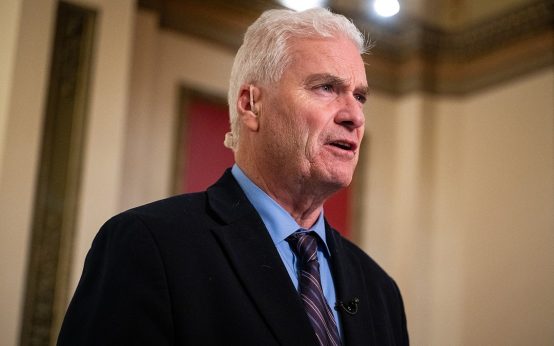 Rep. Tom Emmer Criticizes Democratic Party’s Direction and Advocates for Republican Strength
 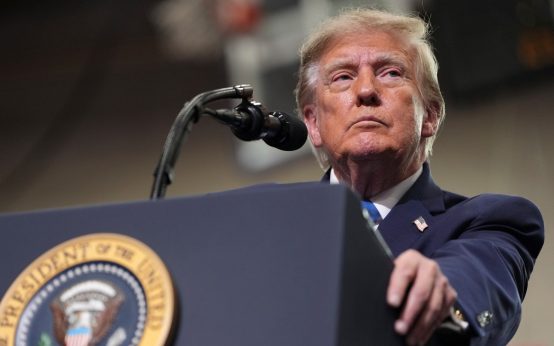 Latino Men Shift Away From Trump Ahead of Midterms, Poll Reveals
  Growing Threat of AI-Driven Scams and Deepfakes