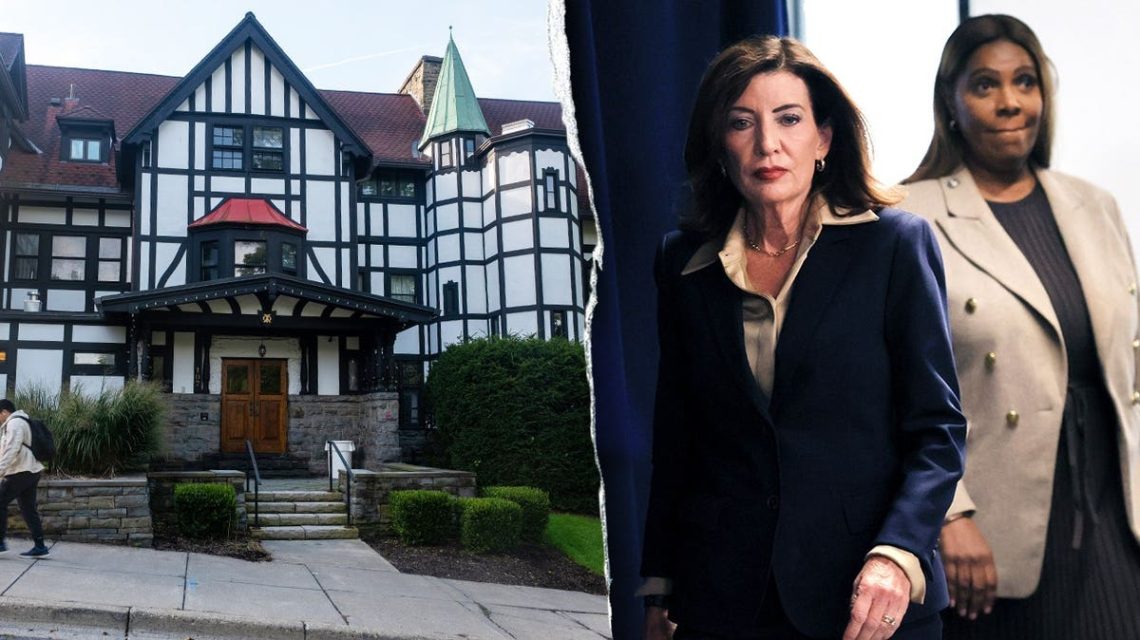
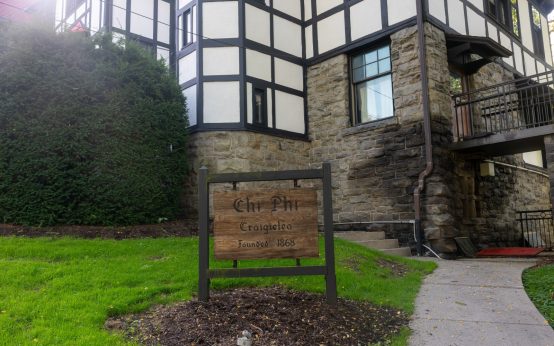
A legal case originating at Cornell University has attracted national interest, igniting debates on issues related to sex, consent, and criminality in college settings. Seven former members of the Chi Phi fraternity face a civil lawsuit alleging they drugged and raped a female student during an evening involving alcohol, drugs, and group sex in October 2024.
The plaintiff, referred to as Jane Doe, claims she was intoxicated and coerced into consuming ketamine and other substances, leading to her assault. The accused deny these charges, with some asserting the activity was consensual and others disputing their involvement. Criminal charges have not been filed.
Discrepancies exist between Doe’s initial statements and the lawsuit filed later, which complicates the case. Doe’s November 2024 statement described her actions as voluntary, contradicting her lawsuit allegations.
The Events of October 19, 2024
Jane Doe, a 20-year-old undergraduate, reportedly began her night with drinks at her sorority, Tri Delta, proceeded to a social event at a bar, and later went to another bar. By the time she arrived at Chi Phi, she had consumed approximately ten drinks.
At the fraternity house, she was offered more alcohol and allegedly pressured into taking substances, including ketamine. Doe claims she was sexually assaulted by fraternity members while incapacitated.
Snapchat messages among Chi Phi members, acquired by CBS News, imply awareness of Doe’s condition among the fraternity members, with one message saying “free p—y.”
Aftermath and Legal Proceeding
Jane Doe described her encounter in varying terms in subsequent days. Initially, she spoke about ketamine intake and sexual activity without labeling it assault. Texts show she acknowledged enjoyment in parts of the encounter.
As the incident became more widely known on campus, her perception shifted. Conversations with a roommate and an anonymous online post began to frame the night differently in her mind. She later recounted feeling coerced in both personal interviews and legal documents.
Legal and Institutional Response
The case was thrust into public awareness in September 2024 when Doe filed a civil lawsuit detailing graphic allegations of assault. She named multiple parties, including Cornell University and her sorority, alleging failures to protect her.
The lawsuit raised questions about why criminal charges were not pursued earlier. A statement from the Tompkins County District Attorney indicated an incomplete view of evidence initially received. Consequently, the investigation reopened, with plans for a grand jury presentation.
Cornell conducted its internal investigation, resulting in expulsions or suspensions for some accused students. The university asserted its Title IX process handled the case adequately, refuting claims of leniency.
New York Attorney General Letitia James has been appointed as a special prosecutor in the renewed investigation, aiming for an objective examination of the circumstances.
Impact and Implications
This case has highlighted concerns about campus sexual climate. A 2025 survey reported significant numbers of nonconsensual sexual incidences among women at Cornell. The case continues to challenge institutions on their response mechanisms and accountability measures.
 Democratic Governors Under Pressure to Join Federal School Choice Program
  Former Cornell Instructor Speaks on Sexual Harassment
  Marine Veteran Sues Oregon School District Over Reimbursement for Religious Curriculum
  Inside Cornell University’s Title IX Investigation
  Troy Swanson: A Leader in Academic Librarianship
  Cornell University Gang Rape Allegations Under Scrutiny