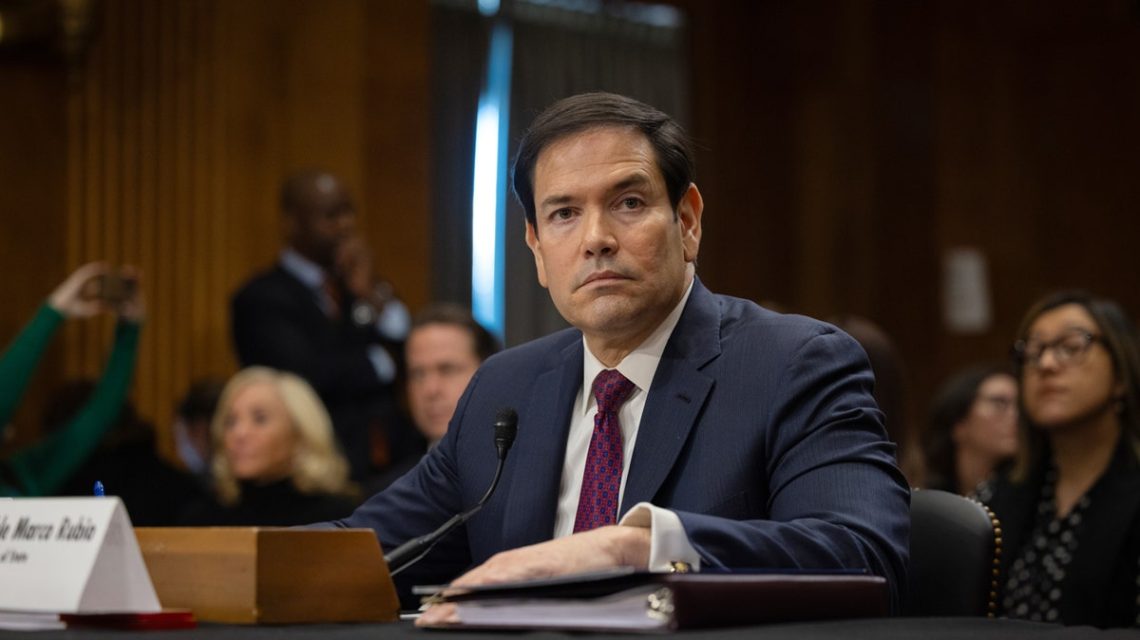
The State Department has criticized Democrats for what it sees as performative ‘grandstanding’ regarding a requested briefing on a Venezuela oil deal. The briefing was postponed as the Senate prepared for its fall recess, according to documents reviewed by Fox News Digital. Several senior Senate Democrats had demanded information on an agreement involving North American Blue Energy Partner (NABEP) and the U.S. Department of War, which grants the Pentagon a 35% stake in a major Venezuelan oil producer.
The State Department had informed lawmakers ahead of the planned October 1 briefing that it intended to provide details on the agreement. Despite the Senate’s postponement, the department still delivered copies of the agreement to the Senate Foreign Relations Committee. Assistant Secretary for Global Public Affairs Dylan Johnson referred to the postponement as ‘grandstanding,’ noting that the Democrats were aware the documents and briefing were scheduled for that day.
A Republican majority staffer on the Foreign Relations Committee requested the delay, citing that the Senate had adjourned for the week, which was confirmed by a congressional source. The decision came ahead of midterm election preparations.
The agreement in question involves the Trump administration’s plan to secure a significant stake in a Venezuelan oil producer through penny warrants, allowing the Pentagon strategic capital interests. Simultaneously, the State Department would gain preferential rights to buy 20% of NABEP’s production at cost under the same arrangement.
Democrat Senators Jeanne Shaheen, Jack Reed, Martin Heinrich, and Elizabeth Warren express legal and practical concerns about this deal, as they question the Pentagon’s authority to take such a stake. They have queried the agreement’s ability to reduce American energy costs and its impact on Venezuela’s political transition.
The Trump administration argues that such a deal could yield substantial returns without taxpayer funds upfront. They claim that the arrangement could enhance the U.S.’ economic influence in Venezuela by reviving oil production and expanding investment opportunities.
The NABEP currently produces around 220,000 barrels a day, with plans to increase this to 500,000 barrels by 2028. The administration’s broader aim involves stabilizing Venezuela’s economy following Venezuelan leader Nicolás Maduro’s removal earlier this year. Interim leader Delcy Rodríguez has maintained cooperation with Washington during ongoing political transitions.
In summary, this oil deal controversy has prompted broader discussions about U.S. engagement in Venezuela and the Pentagon’s role in foreign economic ventures.
 Minneapolis City Council Member’s Remarks on Waymo Cars Killing Cats Spark Criticism
 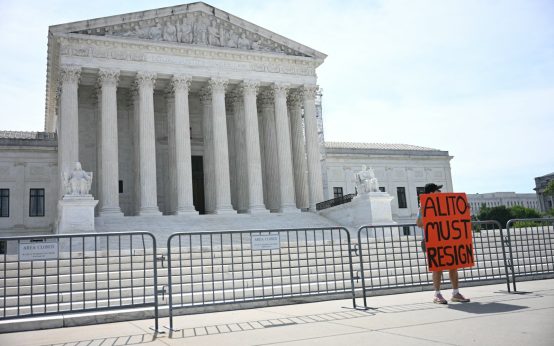 Justice Alito Discusses Impact of Supreme Court Decisions
  Judge Dismisses Case Against Noncitizen Voter, Challenges Constitutionality of Federal Law
  Military Stand Down for Midterm Voting and Ballot Verification Process
  Impact of Trump’s AI Accord in Washington
  Marines Surpass 2026 Recruitment Goals