
States increasingly serve as testing grounds for energy policies that prioritize sustainability and responsibility, even as federal efforts decline. This shift is crucial as some U.S. federal actions have threatened to disrupt progress in clean energy sectors.
Following President Trump’s return to office last year, significant challenges emerged in the energy sector. Legislative measures and executive decisions from the administration have substantially weakened federal agencies’ operations. This disruption has affected an estimated $14 billion earmarked for investments in clean energy and related manufacturing. Additionally, new tariffs have introduced uncertainty, adversely impacting energy relief programs.
The consequences of these federal policy shifts are broad, impacting both economic and environmental goals. However, state governments are stepping up to fill the void, implementing energy strategies that promote innovation and sustainability. These state-level initiatives are becoming increasingly important as they offer alternative paths forward amidst federal policy changes.
 U.S. Records Warmest September on Record Since 1895
 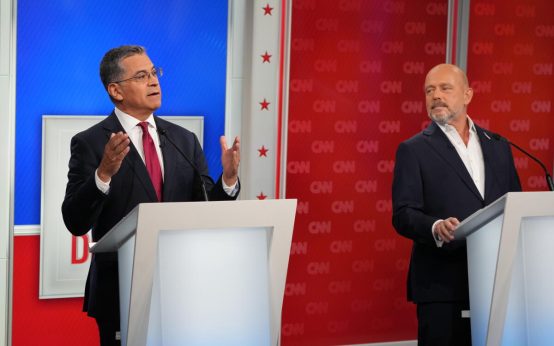 California Voter Guide and Political Landscape
 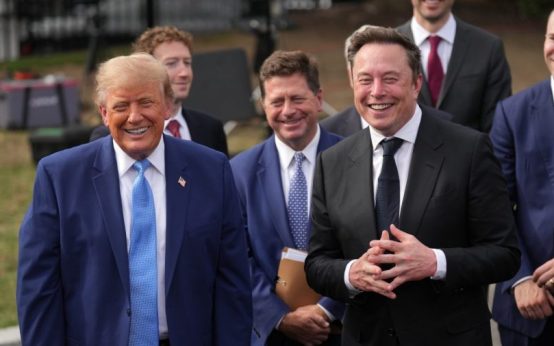 Shifts in Voter Support and the Implications for Political Parties
  The Influence of the Secretary of Defense in the Trump Administration
  Balancing Tradition and Innovation in the Military
 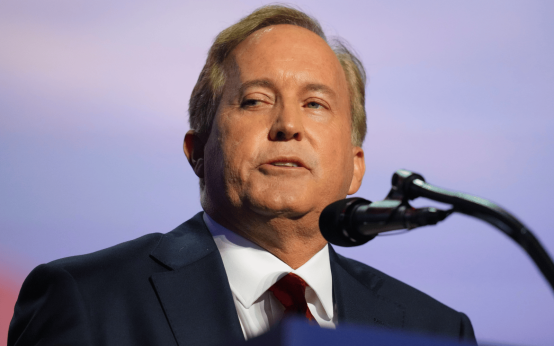 Republican PAC Invests Heavily in Texas Senate Race