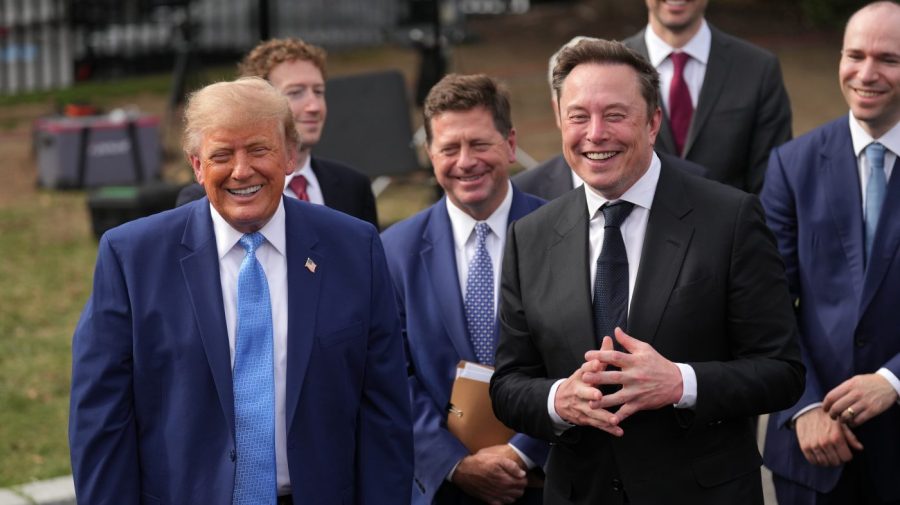
After President Trump’s reelection in 2024, the Republican Party made significant gains among Hispanic, Black, and young male voters. However, data now shows that these groups are becoming dissatisfied due to increased living costs, foreign policy challenges, and immigration policies. This presents a complicated landscape for the GOP in the upcoming midterms.
Hispanic Voter Dynamics
Trump’s appeal among Hispanic voters grew significantly in 2024. For instance, he reduced Biden’s previous 25-point margin to only 3 points over former Vice President Harris, according to Pew Research Center. However, this support is waning, with 18% of those who supported Trump in 2024 now disapproving of his performance.
The Republican Party’s approach to immigration enforcement has also alienated some Hispanic voters. Recent polls indicate a resurgence of support for Democrats, with a generic ballot showing a 20-point advantage for Democrats among Hispanics.
Black Voter Support and Challenges
While Trump gained traction with Black voters in 2024, their support is declining. Although Trump’s approval increased to 15% among Black voters in 2024, 75% now disapprove of his presidency according to recent surveys. This shift is particularly evident in southern states, where redistricting has taken place.
Youth Voting Behavior
The younger electorate, crucial for future elections, shows diminishing support for Trump. Polls reveal high disapproval rates among voters aged 18 to 22 and 23 to 29, driven primarily by concerns regarding the cost of living and job security. Only 27% of 18-22 year-olds approve of Trump, and 68% disapprove.
Issues like inflation, housing affordability, and immigration are prioritized by young voters when considering their voting decisions.
White Voter Trends and Overall Implications
Historically a strong base for Trump, white voters now show decreased net support, with recent data reporting over a 14-point drop in approval. This trend could affect Republicans’ overall performance in upcoming elections.
While the Democratic Party seems to benefit from these changing dynamics, questions remain about whether voter dissatisfaction will translate into higher voter turnout against Trump in the midterms. As Skelley noted, changes at the margins due to Republican-leaning voter erosion could be pivotal.
 California Voter Guide and Political Landscape
  The Influence of the Secretary of Defense in the Trump Administration
  Balancing Tradition and Innovation in the Military
  Republican PAC Invests Heavily in Texas Senate Race
  Trump Administration Distributes Refund Payments to ACA Enrollees
  Trump’s Strategy on Deportation of Illegal Aliens