
New advancements in window technology are revolutionizing how homes regulate temperature. Modern windows, enhanced with innovative materials and designs, significantly improve energy efficiency compared to those from the late 1990s.
Advancements in Window Technology
The latest windows incorporate specialized coatings and improved frames that outperform older double- or triple-paned variants. These improvements are designed to either retain or block heat as needed, contributing greatly to a home’s thermal management.
Why Consider Replacement?
Replacing old windows with the newest models can lead to noticeable differences in home comfort levels and energy bills. A critical factor for homeowners is the windows’ ability to adjust to seasonal temperature changes, helping to keep homes cooler in the summer and warmer in the winter.
When to Make the Change
The decision to replace windows depends largely on the condition of the current ones and the climate-related challenges faced by the homeowner. If existing windows are drafty or ineffective, upgrading to modern options can offer substantial benefits.
Christine from Switzerland shares concerns about extreme temperatures, questioning the efficacy of today’s windows compared to older versions.
It’s important for those facing harsh climates to assess their window performance to ensure optimal insulation and energy efficiency.
 Swiss Glaciers Continue Rapid Ice Loss Due to Global Warming
  Hidden Water Reserves in Climate-Resistant Rock Glaciers
 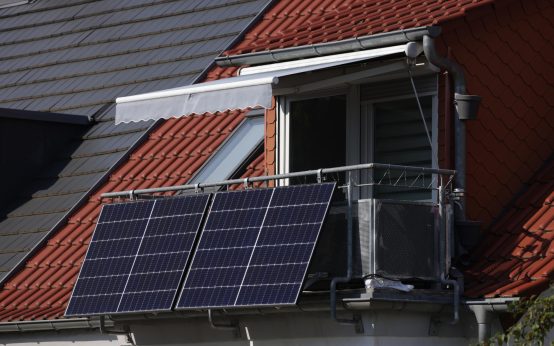 California’s Plug and Play Solar Act: A Step Forward for Renters
  Challenges Loom Over Colorado River’s Water Levels
  Suncor v. Boulder: Understanding the Supreme Court Case and Its Implications
  Hawaii Faces Challenges from Record-setting El Niño and Hurricanes