
The Supreme Court is set to hear a significant case, Suncor v. Boulder, which could affect how state and local governments address corporate misconduct. The focus is on major oil and gas companies, like ExxonMobil and Suncor Energy, accused of prioritizing profits over people and concealing knowledge about the environmental impacts of fossil fuels.
Communities across the U.S. face billions in expenses to mitigate damages from extreme weather events. These events are linked to climate change, with increased frequency and severity of fires, floods, droughts, and heat posing public health risks. Particularly vulnerable are children and communities with limited resources.
ExxonMobil and Suncor are challenging a Colorado Supreme Court decision that allows Boulder’s lawsuit to proceed. They argue their actions are protected under the Clean Air Act, a federal law focused on limiting air pollution. However, former EPA officials, including Gina McCarthy and Avi Garbow, emphasize that this claim lacks credibility as the Clean Air Act does not preempt Boulder’s pursuit for monetary damages caused by local harms due to misinformation and emissions.
The case highlights how oil companies reportedly misled Boulder residents, contributing to disasters like the 2021 Marshall Fire and ongoing drought. Boulder aims only to recover damages for these impacts, not regulate emissions or halt fossil fuel production.
Exxon and Suncor suggest a ruling against them might disrupt the fossil fuel market—a claim dismissed as speculative. Tensions rise as the industry reports record profits, yet shifts accountability onto families. Notably, even the Supreme Court questions its jurisdiction over Boulder’s claims, which remains vital for the community’s pursuit of justice.
The Clean Air Act’s objective is reducing harmful pollution, supporting America’s welfare without shielding companies from legal challenges related to deceptive practices. Despite actions like repealing carbon pollution limits, the current administration and Congress members seemingly support corporate defenses against such lawsuits, indicating federal law does not block Boulder’s claims.
Ultimately, the Clean Air Act should not prevent states from enforcing laws that prevent harm to communities. The Supreme Court’s decision could determine whether communities like Boulder can seek justice in court for detrimental corporate conduct.
 Hawaii Faces Challenges from Record-setting El Niño and Hurricanes
  Unexpected Ocean Conditions Bring Challenges to Ventura County
  Trump Administration Reduces Car Fuel Efficiency Standards
 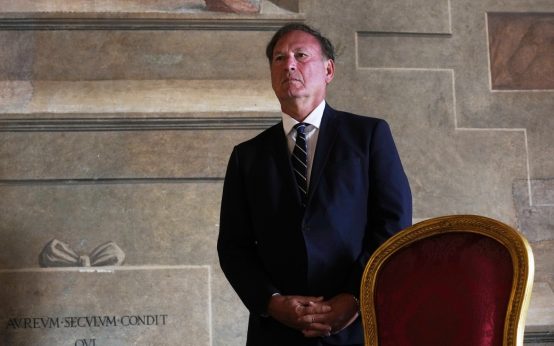 Justice Alito Recuses Himself from Key Climate-Change Case
  Debate Delays Homer Glen Substation Modernization Project
  Volunteers Plant Marram Grass at Indiana Dunes State Park