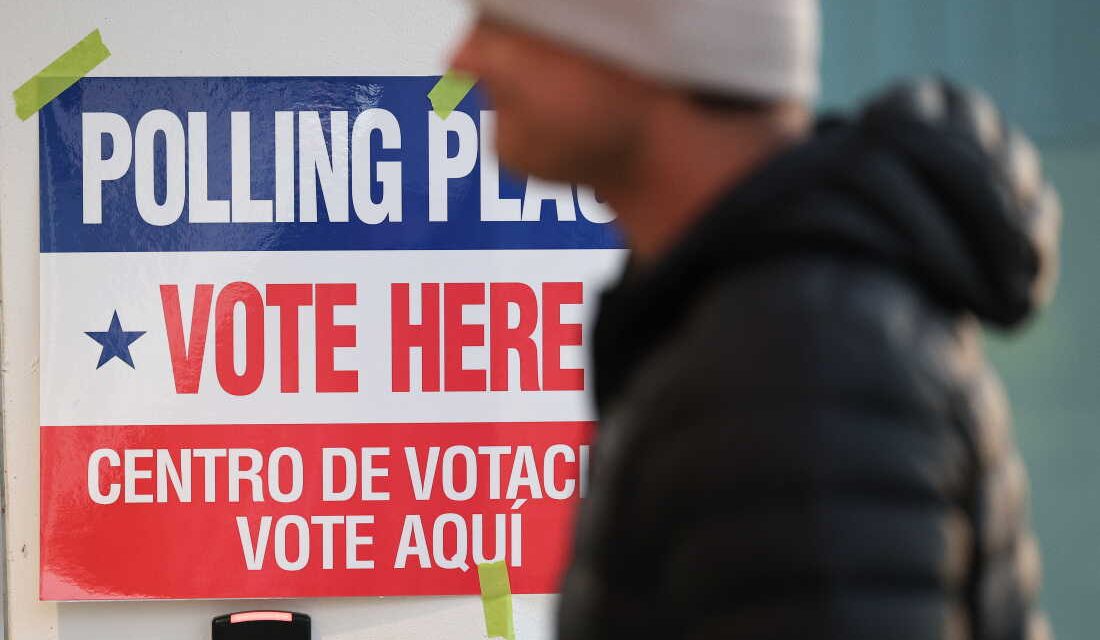
Voters are heading to polling stations with uncertainty surrounding the election process. A Colorado election official with over two decades of experience confirms this is the most uncertain period they have encountered. This sentiment stems from issues such as President Trump’s attempted restrictions on mail voting, which created confusion before being halted by the Supreme Court.
Carly Koppes, a local Republican voting official in Weld County, Colorado, mentions common questions from voters. They frequently ask about the process and ensuring their ballots are counted. According to Koppes, this is the most uncertain election period she has managed.
While less than half of voters feel confident about fair midterm elections, three-quarters trust their state and local officials to manage the process equitably. However, concerns remain about federal immigration enforcement at polling places, despite laws prohibiting armed federal presence. There is also decreased confidence in the timely delivery of mail ballots, reflected in recent polling data.
Stephanie Thomas, Connecticut’s Democratic secretary of state, notes that people express vague fears about potential election disruptions. To address these concerns, voting officials aim to balance warning about real threats without causing unnecessary alarm. Steve Simon, Minnesota’s Democratic secretary of state, highlights the need for honesty about potential challenges, reassuring voters about the state’s preparedness to handle issues.
The effect on voter turnout remains uncertain. Historically, midterm elections have lower participation compared to presidential years. Political science professor Lauren Prather remarks that evidence on the link between election confidence and turnout is lacking. Despite election distrust, recent cycles have seen high participation, driven in part by mobilization efforts from various political communities.
The impact of voter concerns on democracy is significant. Dartmouth College’s Brendan Nyhan warns that while concerns may not drastically reduce turnout, they destabilize trust in democratic outcomes. This distrust provides grounds for elites to challenge and question election legitimacy, creating vulnerabilities within the democratic system.
 Potential Agreement on Permitting Reform
 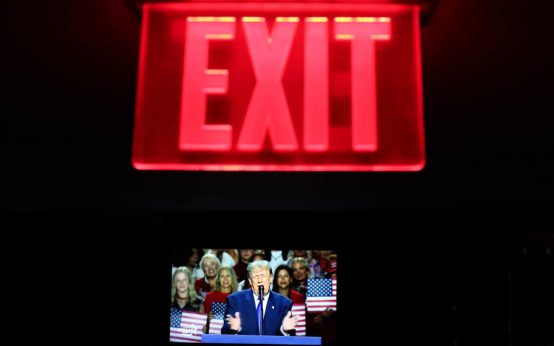 Growing Dissent in Trump’s Republican Party
 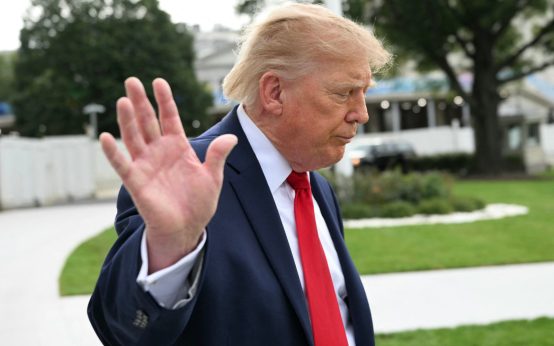 Trump’s Approval Rating Decline in Beef-Producing States
  Improving the Transparency of Public Records
 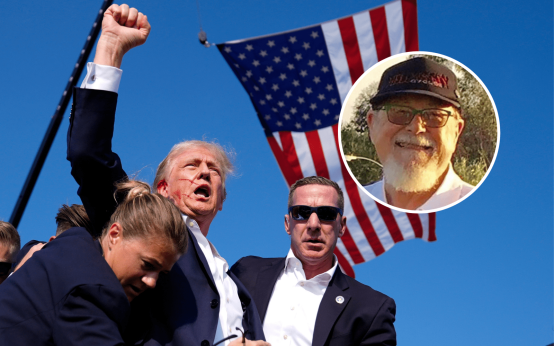 Death of Jim Copenhaver Brings Attention to Butler Rally Security Issues
  Republican Senator Proposes Major Overhaul of U.S. Immigration System