
Democratic Michigan Senate candidate Abdul El-Sayed responded to remarks made by far-left streamer Hasan Piker regarding 9/11, labeling them as “dumb” during an appearance on NBC’s “Meet the Press.” Despite this, El-Sayed criticized the prevailing cancel culture, highlighting his stance amid his association with Piker.
During the show, host Kristen Welker asked El-Sayed if he would continue to welcome Piker on the campaign trail, especially after Piker’s presence at El-Sayed’s victory party and his vocal support. El-Sayed emphasized his focus on the campaign itself, particularly competing against Republican candidate Mike Rogers.
Welker pressed El-Sayed further about Piker’s controversial comments on 9/11. El-Sayed admitted, “Of course it was a dumb statement, and Hasan himself would acknowledge that.” He added, “America didn’t deserve 9/11. It’s important not to engage in gotcha politics over a remark someone retracted.” He stressed the problems with cancel culture, arguing for accountability in individual actions and words.
Vermont Senator Bernie Sanders also addressed Piker’s remarks, calling them “dumb.” However, he advocated for including voices like Piker’s in the Democratic Party, citing cancel culture as an obstacle. Sanders noted, “We have to get above cancel culture. When engaged in extensive media work, mistakes happen.”
Psychotherapist and author Jonathan Alpert commented on El-Sayed’s response, suggesting the candidate was dodging the core issue. Alpert remarked, “El-Sayed’s acknowledgment of Piker’s problematic comments followed by complaints about cancel culture seem contradictory.” He pointed out that questioning judgment is different from cancel culture, stating, “Criticism isn’t automatically cancel culture.”
Alpert critiqued El-Sayed’s approach as a psychological tactic, noting politicians often deflect criticism by shifting the focus and portraying themselves as victims.
This ongoing dialogue reflects broader debates within political discourse about the boundaries of critique and associational accountability.
 New Legislation Ensures Faster Care for Abused Animals in Shelters
  Potential Agreement on Permitting Reform
 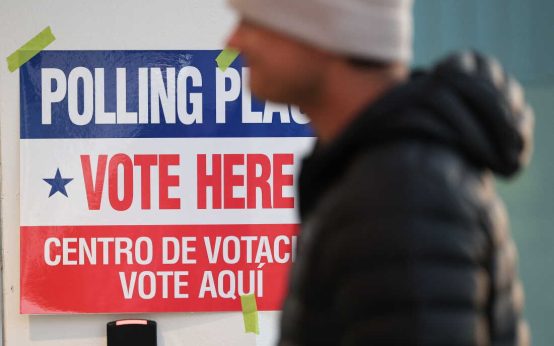 Voter Concerns and Challenges in Upcoming Elections
 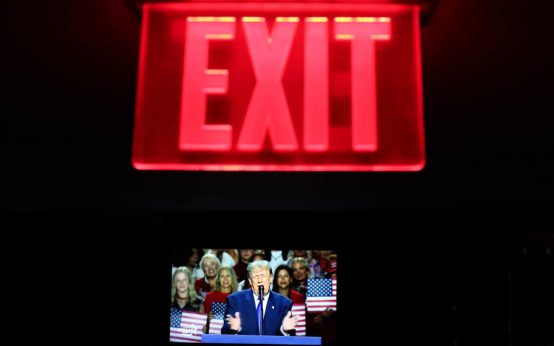 Growing Dissent in Trump’s Republican Party
 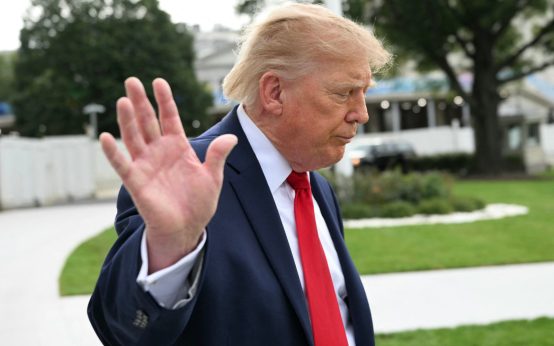 Trump’s Approval Rating Decline in Beef-Producing States
  Improving the Transparency of Public Records