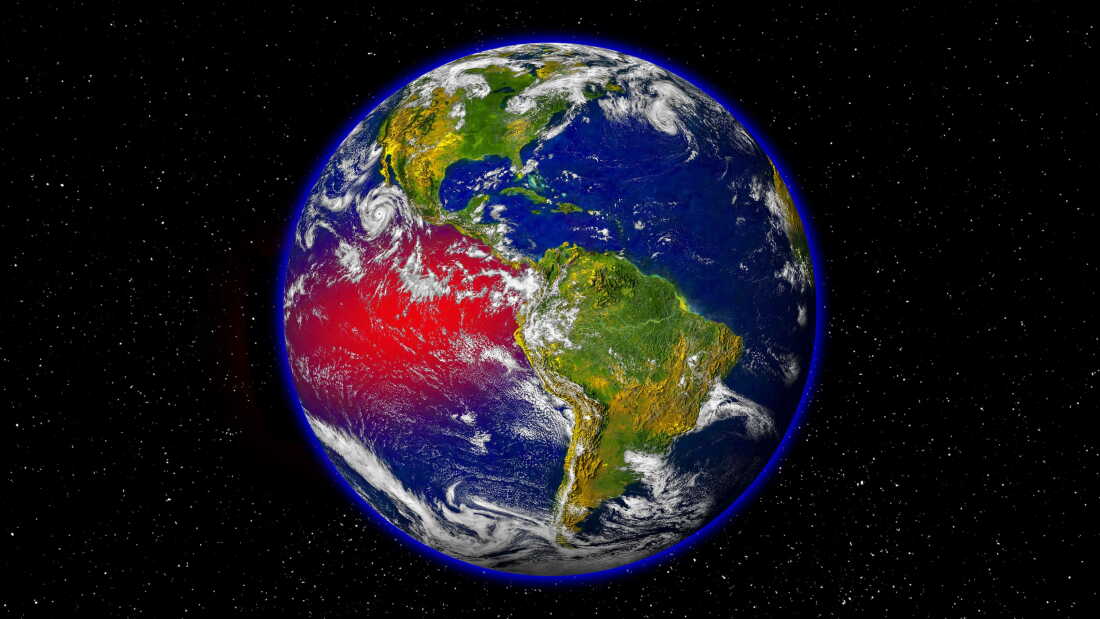
A ‘Super’ El Niño, sometimes called a ‘Godzilla’ El Niño, is approaching, and it is crucial to understand its potential effects. Historically, El Niño has significantly impacted global weather patterns. It has been associated with severe flooding in certain parts of the United States, while contributing to droughts and wildfires in regions like Australia and Indonesia. Additionally, it has disrupted fisheries across the Pacific Ocean.
Scientists have long debated whether human actions, particularly the burning of fossil fuels, are intensifying El Niño phenomena. Recently, researchers believe they have found potential answers. These findings come just before what could be the most powerful El Niño ever recorded.
For those eager to delve deeper into the scientific aspects of weather phenomena, inquiries can be sent to the NPR Shortwave team at [email protected]. NPR+ offers additional content, including advertisement-free listening for those who support public media.
You can listen to NPR’s Short Wave on platforms like Spotify and Apple Podcasts. The episode was produced by Arundathi Nair, with editing done by Rebecca Ramirez. Fact-checking was undertaken by Tyler Jones, and the audio engineer was Jimmy Keeley.
 Hurricane Season: Divergent Trends in the Atlantic and Pacific Oceans
  Largest Viking Age Silver Hoard Found in Finland
  Nor’easter Hits Mid-Atlantic and New England; Hurricane Nolo Advances on Hawaii
  Dogs Use Human-Like Strategy to Process Speech
  Impact of Rising Diesel Prices on Economy and Consumers
  Managing Euonymus Scale Infestation in Pachysandra