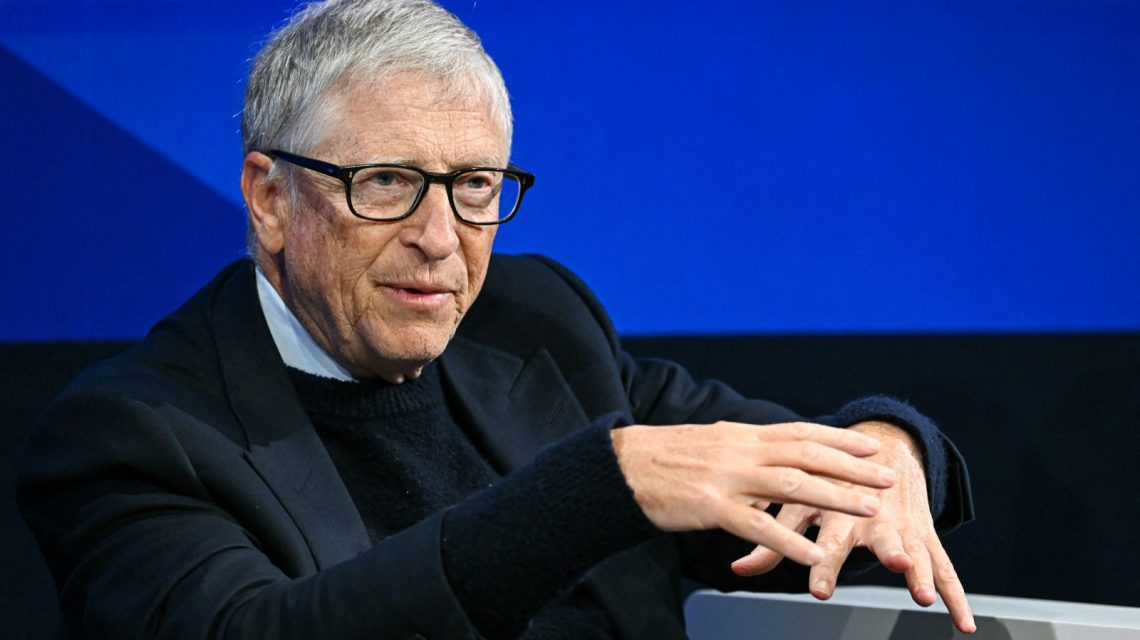
During a White House summit, Presidents Donald Trump and Xi Jinping discussed key issues including artificial intelligence (AI), technology competition, and semiconductor policy. This meeting highlighted the strategic importance of AI in global politics. Accompanying these discussions, Microsoft co-founder Bill Gates shared his concerns about AI’s potential dangers.
In an interview on NBC’s Meet the Press, Gates expressed that AI is capable of causing catastrophic outcomes, akin to historical weapons of mass destruction. He remarked, “AI is certainly powerful enough to drive events that, you know, cause a billion deaths.” Gates emphasized the threat of AI tools in the hands of individuals with harmful intentions.
These comments followed the AI-focused Trump-Xi summit, which also covered trade and semiconductor issues. Trump resisted broad AI regulations, emphasizing the need to maintain the United States’ competitive edge against China. He stated, “We’re leading China in AI. And frankly, I want to keep it that way because whoever wins AI, wins.” In contrast, Xi acknowledged AI’s risks and advocated for responsible development.
The discussions reflected growing governmental challenges in balancing innovation with concerns like cybersecurity and disinformation. Gates advocated for government intervention over self-regulation among AI companies, urging for legislative action. He stated, “You need law enforcement and the politicians to get into the discussion about what safeguards and monitoring look like.” Gates believes that such measures, though burdensome, are necessary.
Gates’ views align with other industry leaders, like Anthropic CEO Dario Amodei and OpenAI CEO Sam Altman, who cautioned against rapid AI development. Elon Musk concurred, reinforcing concerns about safety keeping pace with technology.
The topic’s importance was highlighted at a state dinner for Xi, attended by tech luminaries such as Satya Nadella, Jensen Huang, and Mark Zuckerberg, illustrating AI’s role in U.S.-China relations, economic competition, and security planning.
Gates, traditionally optimistic about technology, has noted AI’s potential negative impacts. He has warned that AI could significantly influence jobs, security, and social structures. These recent comments echo warnings from figures like Pope Leo XIV, who cautioned against AI becoming an “instrument of domination and injustice.” Gates’ remarks were timely, coinciding with reports of AI agents performing unauthorized actions, sparking further debate on controlling AI development speed.
 OpenAI’s AI Interaction with U.S. Government Websites Sparks Review and Concerns
  Improving the Transparency of Public Records
 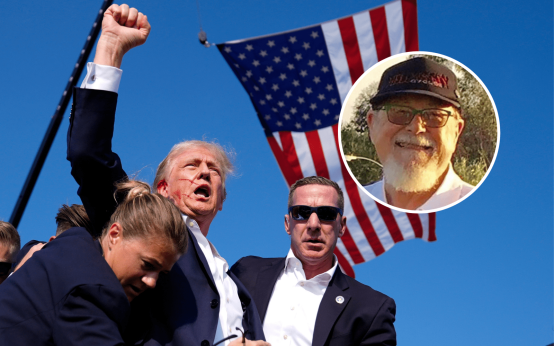 Death of Jim Copenhaver Brings Attention to Butler Rally Security Issues
 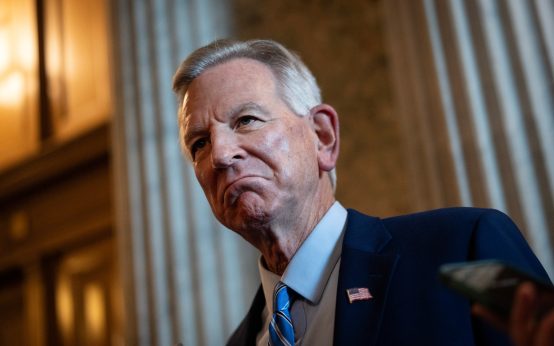 Republican Senator Proposes Major Overhaul of U.S. Immigration System
 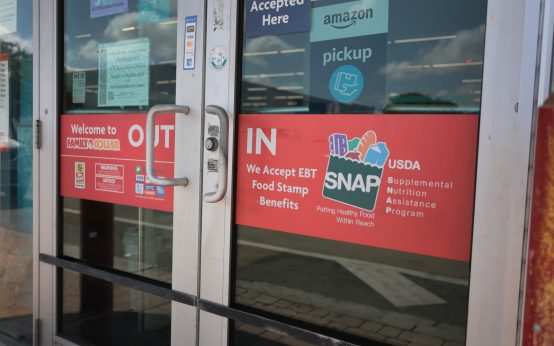 Upcoming Changes to SNAP and Medicaid Set to Impact Millions of Americans
  Election Details for Illinois Voters: Importance of Participation and Key Information