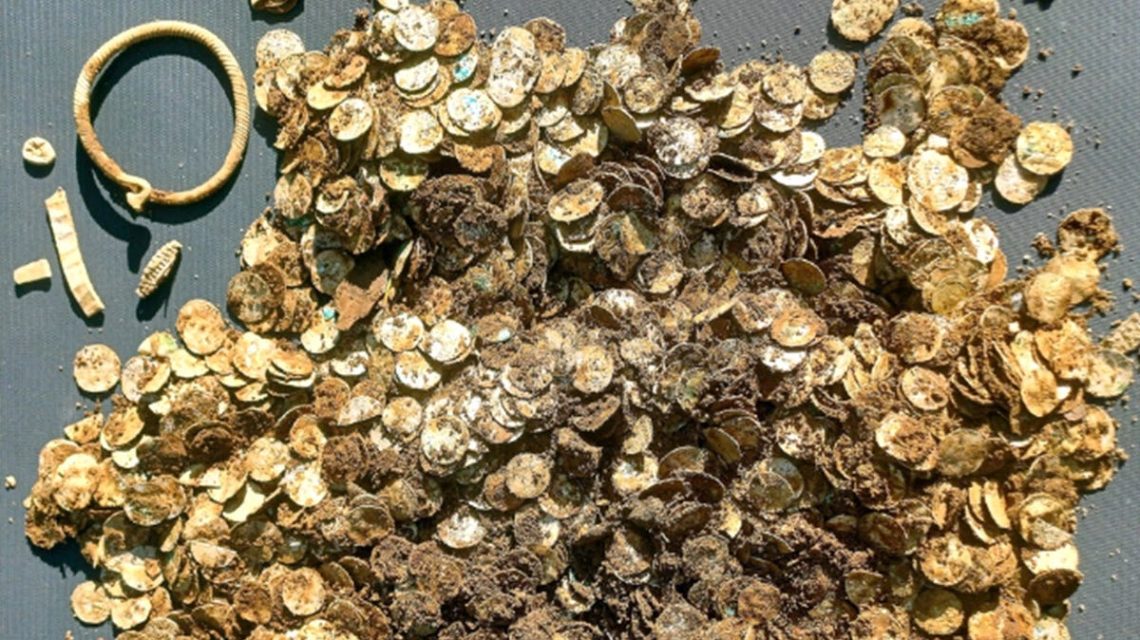
A metal detectorist in Finland has uncovered an immense Viking Age silver hoard, estimated to contain over 4,000 coins, making it the largest finding of its kind in the country. The discovery occurred near Sysmä, a town around 105 miles northeast of Helsinki, on September 3. Kalle Lappinen, who found the hoard, promptly reported it to authorities, leading to the involvement of archaeologists from Lahti Museums in recovering the treasure.
According to a museum release, the hoard consists of thousands of silver coins, hack silver, a bracelet, a mount, and a bead. It includes coins minted in areas that are now part of Sweden, Britain, Germany, Turkey, and Iran. Archaeologist Esko Tikkala oversaw the recovery, noting that the coins weigh roughly 10 pounds and originate from around 1000 to 1050 A.D. Further analysis will refine these preliminary dates.
The discovery not only surprises with its size but also reinforces the idea that Sysmä was a significant hub during the Late Iron Age.
Tikkala highlighted the sheer volume of coins, comparing it to previous finds that typically contain dozens or hundreds of coins, making the Sysmä discovery unique. This hoard has more than twice the number of coins found in Finland’s previously largest known Viking Age coin hoard from Nousiainen in 1895.
The exact reasons for the hoard’s burial and the identity of its owner remain speculative. Theories suggest possibilities ranging from a merchant securing wealth to avoid carrying it, to a local resident shielding their riches due to potential threats. Tikkala notes, however, it’s challenging to pinpoint a definitive reason or identify the owner. The coins were found alongside a rocky outcrop, possibly intended for easy retrieval.
Frida Ehrnsten, from the National Museum of Finland, explained that the discovery opens new understanding of silver circulation in the region circa 1,000 years ago. Although the term ‘Viking Age’ describes the broader era, the people in Finland at the time were not Vikings, who originated from Scandinavia excluding Finland.
Intriguingly, the silver was unearthed from two deposits 39 feet apart, marking what Ehrnsten describes as a ‘double hoard,’ a phenomenon without prior known examples in Finland. Hobby metal detectorists, like Lappinen, have significantly contributed to archaeological coin discoveries, doubling the known Viking Age coin count from about 7,000 to 14,000 over 25 years.
 Tropical Storm Rachel and Coastal Hazards for Southern California
 Exploring Spider Webs, TV Pixels, and Storytelling in Science
 Henri Kagan and Kenso Soai Win 2026 Nobel Prize in Chemistry
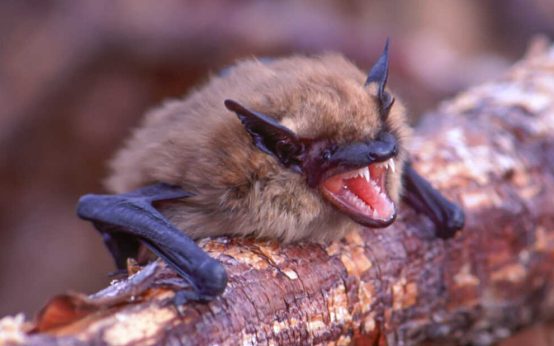 How Little Brown Bat Genes Are Outsmarting a Fungal Killer
 The Impact of Generative AI on Critical Thinking Among Knowledge Workers
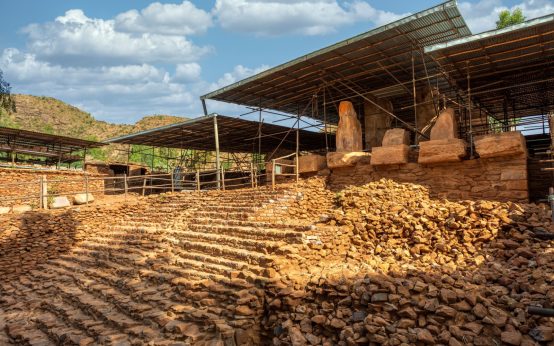 New Insights from Research on Ancient Ethiopian Palace