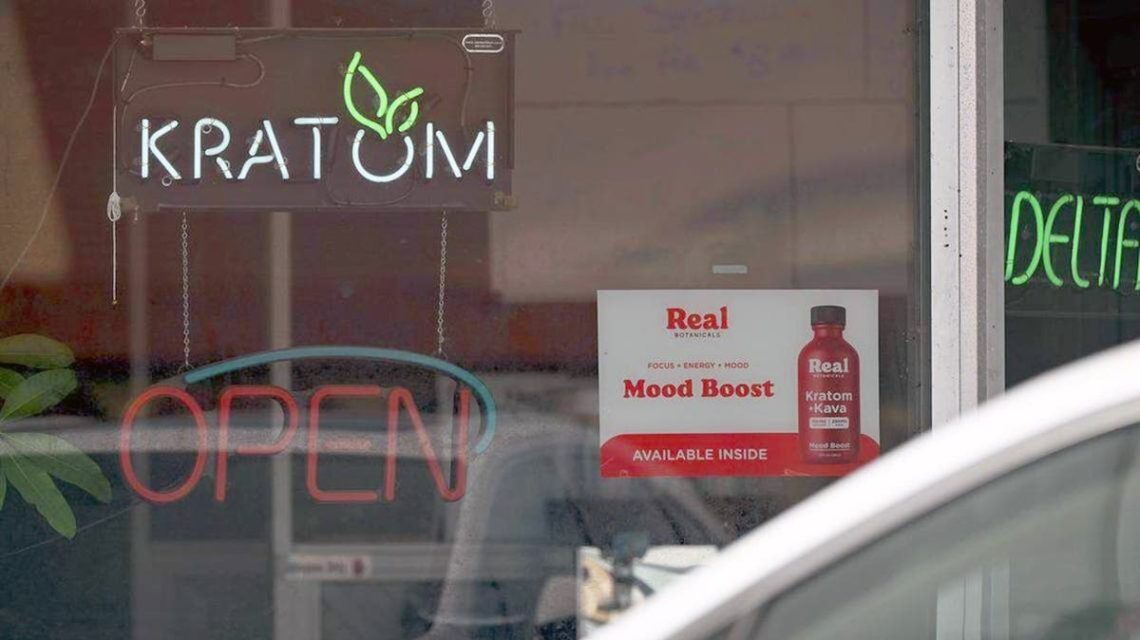
The recent deaths of two University of Mississippi students have raised important questions about the potential health risks associated with kratom. These incidents occurred at separate locations on campus, and authorities recovered packaged kratom from both sites, purchased from a retail store, as noted in a news release by the Lafayette County Metro Narcotics, shared by the Oxford Police Department. However, the role of the substance in these deaths remains unconfirmed.
Understanding Kratom
Kratom is a plant-based substance often marketed as a natural alternative for pain relief or opioid withdrawal. Experts have warned that kratom poses risks due to potential dependence, dangerous interactions, and other serious health complications.
Dr. Marc Siegel, a senior medical analyst for Fox News, explains that kratom acts as a stimulant at low doses, which can provoke heart arrhythmias. At higher doses, it acts similarly to an opioid and can suppress breathing.
Availability and Usage
Kratom’s availability is widespread. Jessica Steinman, Chief Clinical Officer at No Matter What Recovery in Los Angeles, highlights its presence in storefronts, gas stations, smoke shops, and health food stores, where it is sold as an energy booster. Steinman cautions against incorrect use and warns about the mass consumption of kratom.
This substance affects the opioid receptors in the brain, leading to potential excessive sedation and slowed breathing, issues that can significantly impact lung function. Kratom’s addictive nature is another concern. Traditional kratom products contain lower levels of active compounds, whereas newer 7-OH products are often enhanced to produce stronger effects. These 7-OH products contain 7-hydroxymitragynine, an opioid-related compound found in kratom.
Legal and Regulatory Landscape
Despite varying local laws, regulators increasingly focus on concentrated 7-OH products, emphasizing attention on synthetic kratom-related compounds rather than traditional botanical kratom with minimal 7-OH traces.
Steinman attributes the uptick in kratom use among young people to social media influences and peer interactions, leading college students to use kratom for stimulation or its opioid-like effects.
Health Implications
People using kratom incorrectly or in combination with substances like alcohol, marijuana, or benzodiazepines face significant health threats. Slow or shallow breathing, excessive drowsiness, or difficulty in awakening may indicate the need for prompt medical intervention.
Withdrawal and seizure risks accompany abrupt cessation after regular use. Additionally, the notion that kratom is safe because it is natural is misleading, according to experts.
Industry Perspective and Regulatory Actions
Dallas Vasquez, CEO and co-founder of Mitra9 Brands, clarifies the difference between botanical kratom products and those with concentrated 7-OH. He emphasizes the significance of proper labeling, adult use warnings, and understanding product components.
The industry response includes support for stronger national standards for testing, labeling, potency limits, and age restrictions. Vasquez confirms the necessity for consumers to know the contents of their purchase and the importance of eliminating harmful actors from the market.
 Understanding Memory Lapses and Hormonal Changes in Women
  Lawsuit Filed Over Preeclampsia Death in Texas Amid Abortion Ban Controversy
  Illinois American Water Faces Opposition Over Proposed Rate Increase
  Porsha Williams Opens Up About Emergency Surgery and Health Challenges
  Discussing Weight-Loss Medication with Children: A Parent’s Approach
  Conjoined Twins Separated in Complex Surgery