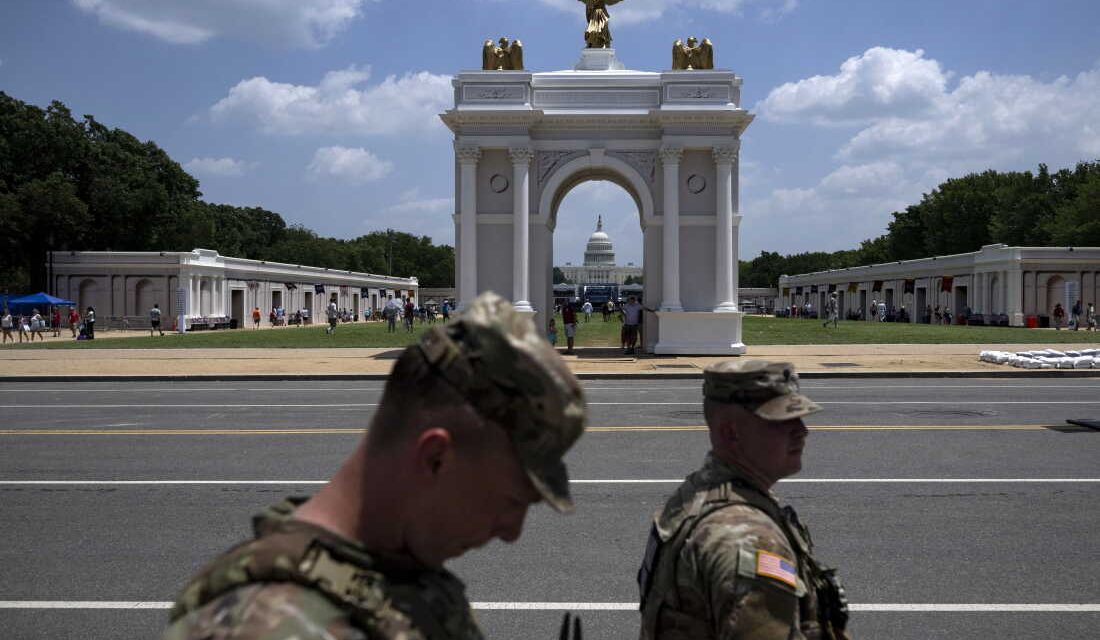
Controversy grows around President Trump’s announcement that the proposed D.C. arch will also serve as a “top grade Military Complex.” Initially unveiled as a structure to honor Trump and celebrate the United States’ 250th anniversary, its revised military function raises questions about its purpose and approval process.
Trump stated that the 250-foot monument would allow rapid deployment of drones and snipers. This shift marks a departure from the original vision, which included features like an observation deck and a potential café, approved by the Commission of Fine Arts.
Recently, the Interior Secretary announced plans to begin excavation for the military site, inciting pushback due to necessary federal approval. Critics argue the accelerated process undermines proper historic preservation reviews.
Charles Birnbaum, CEO of the Cultural Landscape Foundation, expressed concerns about the abrupt change to a facility not originally intended for security functions.
Birnbaum voiced opposition in an email and stated that the Memorandum of Agreement to proceed is “dead on arrival.” Further, the White House and other federal bodies have not adequately addressed changes required for a fortified military site.
The arch also faces legal hurdles with questions about compliance with D.C.’s building height limits and an ongoing lawsuit from Vietnam War veterans, challenging the arch’s lack of Congressional approval.
Legal experts, such as Harold Hongju Koh, criticize Trump’s national security justification as “laughable,” suggesting that if security is a genuine concern, improvements should focus on existing monuments rather than new constructions.
Trump’s administration has a history of leveraging national security narratives to advance projects under legal scrutiny. Analysts note that the proximity of the arch to existing military facilities makes its security rationale questionable.
Speculation suggests urgency to complete construction before potential changes in Congress post-midterm elections. Lawmakers have expressed concerns about legality and impacts on nearby historical sites, underscoring the project’s controversial nature.
 AOC Contemplates 2028 Presidential Run Amid Polling and Identity Discussions
  Texas Senate Race Shows Significant Shift in Voter Support
  Fraud Task Force Saves Billions by Targeting Obamacare Fraud
 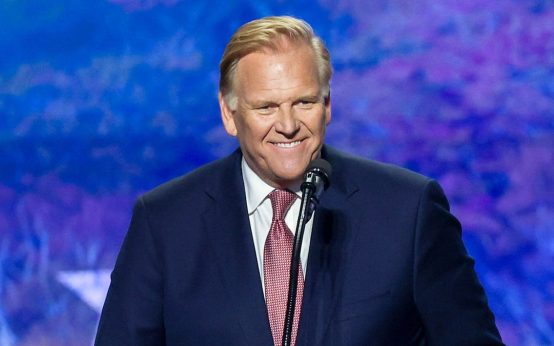 Mike Rogers’ Campaign Focuses on Iran Conflict and Diesel Export Embargo
 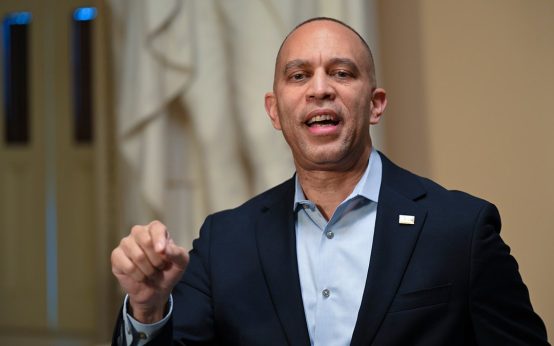 Democrats Break Ranks on Key House Vote Amid Party Tensions
 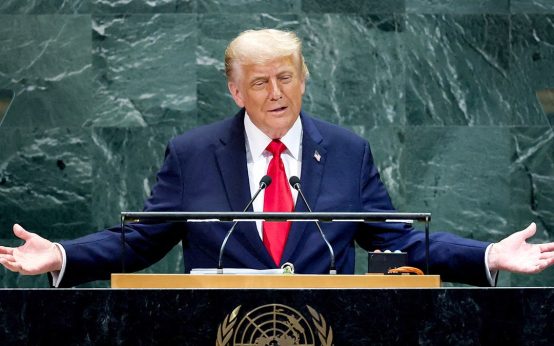 President Trump Highlights U.S. Global Strength at UN Address