
Formation of a Hurricane
Hurricanes, also known as tropical cyclones, originate in tropical or subtropical waters. These formidable weather systems start as a low-pressure area. Warm ocean water, acting as an energy source, fuels the storm, leading to evaporation and condensation processes.
The warm, moist air rises, creating clouds and releasing heat. This process causes the air pressure to drop further, drawing in more warm air from the sea surface. As the cycle continues, the system can intensify, provided the surrounding conditions remain conducive.
Key Factors for Intensification
Several elements are crucial in aiding a hurricane’s development:
- Warm Ocean Waters: Waters warmer than 26°C are ideal for hurricane formation.
- Atmospheric Instability: An unstable atmosphere facilitates the rise and condensation of warm air.
- Low Vertical Wind Shear: High wind shear can disrupt the storm’s structure, preventing intensification.
- High Humidity: Moisture in the mid-troposphere supports cloud formation.
- Conducive Coriolis Force: This force, due to Earth’s rotation, helps the system spin and organize.
The Life Cycle
Once formed, a hurricane goes through various stages dictated by environmental conditions. If it encounters favorable settings, it can intensify from a tropical storm to a hurricane with wind speeds of 119 km/h or higher. As it progresses, a hurricane may experience fluctuations in intensity due to changes in water temperature and surrounding air pressure.
Eventually, most hurricanes weaken as they encounter land or cooler waters. Without a warm water source, the energy lessens, leading to dissipation.
Understanding the complexities of hurricane formation and intensification provides insights into predicting and preparing for these powerful storms.
 California Prepares for El Niño-Fueled Storms with Emergency Declaration
  California’s Growing EV Adoption: Challenges and Benefits
  Data Centers in Virginia face Growing Opposition
 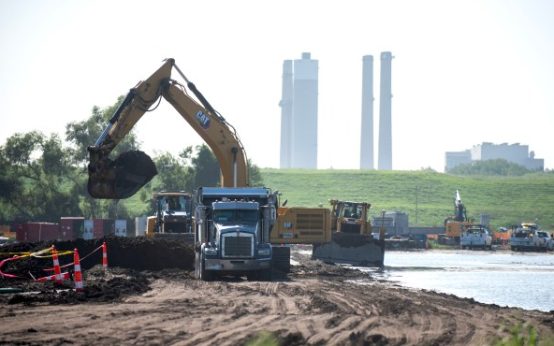 EPA Dismantles Greenhouse Gas Rules, Causing Concern
 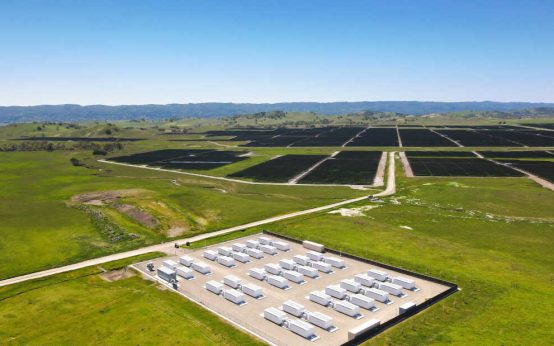 How Battery Innovations Transform Renewable Energy
  Data Centers Stir Controversy in Texas Amid Growth Boom