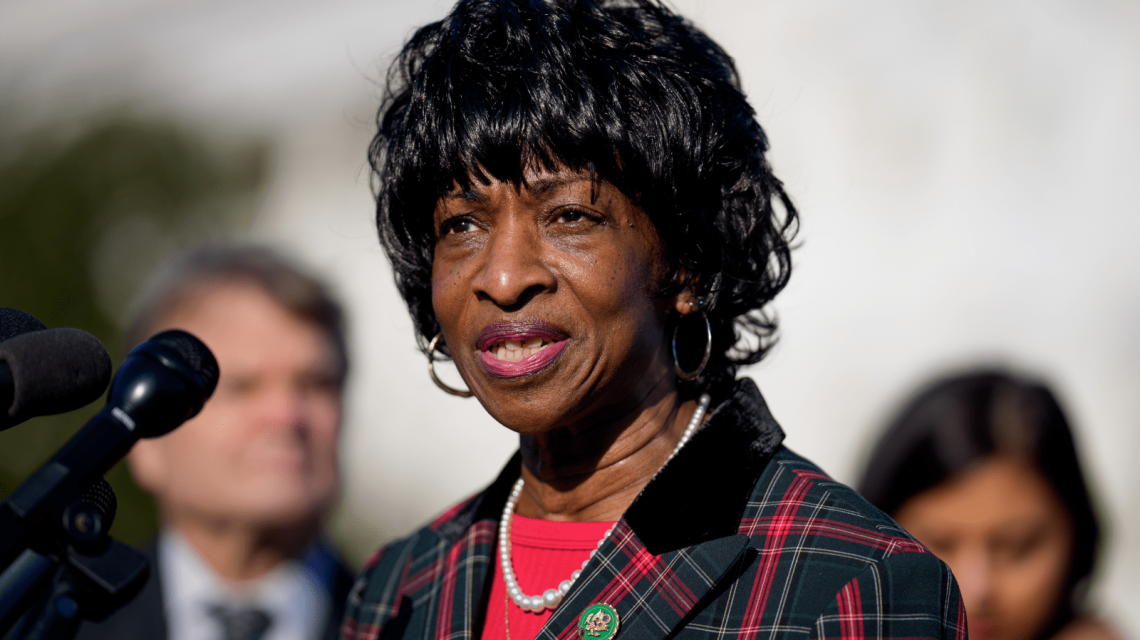
Representative Valerie Foushee, a Democrat from North Carolina, has put forward a legislative proposal targeting the aftermath of tariff policies. The legislation proposes refundable tariff rebates reaching up to $4,000 for eligible married couples, and additional amounts for dependents. This proposal emerges amid ongoing discussions about the effects of President Donald Trump’s tariff strategies on household expenses and whether direct financial relief is warranted for Americans.
If accepted, the proposal would provide tax credits for qualifying lower- and middle-income taxpayers, with larger families receiving increased relief. The bill’s introduction follows Trump’s expansion of tariffs on various imports after taking office in January 2025. Proponents believe tariffs stimulate domestic investments, while opponents argue they increase consumer prices. Newsweek contacted Foushee’s press office via email for comments.
Details of the Proposed Bill
Foushee introduced the American Tariff Rebate Act on September 17. This bill seeks to amend the Internal Revenue Code by creating a refundable tax credit for the 2026 tax year. Qualified single filers would receive a $2,000 credit, and married couples filing jointly would get $4,000. An additional $600 would be available for each qualifying dependent.
The credit is refundable, allowing taxpayers to benefit, even with minimal or no federal income tax liability. Foushee emphasized that this legislation intends to “put money directly back into the pockets of middle-class families,” acknowledging the high living costs households face.
In a statement posted to X on September 18, Foushee stated: “I’m introducing the American Tariff Rebate Act to cover tariff costs for middle- and lower-income households and ensure that our communities aren’t the ones fronting the bill for Trump’s tariffs.”
Who Qualifies for the Rebates?
The bill targets lower- and middle-income families based on income thresholds. The credit phases out for taxpayers with adjusted gross incomes exceeding:
- $75,000 for single filers
- $112,500 for heads of household
- $150,000 for married couples filing jointly
Nonresident aliens, estates, trusts, and individuals claimed as dependents by another taxpayer are not eligible. The proposal also permits advance payments during 2026, ensuring eligible Americans could access funds before tax filings.
Rationale Behind the Rebate Proposal
Foushee’s office referenced data from the Joint Economic Committee Minority, which showed American families incurred over $231 billion in tariff-related expenses from February 2025 to January 2026, averaging approximately $1,745 per household. The Democrat noted businesses have received tariff refunds through legal decisions, contrasting the lack of similar relief for families facing price hikes.
Context of the Tariff Rebate Debate
The idea of channeling tariff revenue back to Americans is not new. In late 2025, Trump suggested a “tariff dividend” to return part of the revenue to lower- and middle-income Americans through payments of at least $2,000 per person. However, administration officials stressed that any such plan needed congressional approval, and no federal rebate program has since been enacted.
Democrats continue to pursue alternative rebate initiatives. Earlier in 2026, Representative Henry Cuellar proposed legislation addressing consumer costs associated with tariffs through direct taxpayer payments.
Prospects for the Bill
Currently, the bill’s chances remain uncertain. It has been directed to the House Ways and Means Committee, along with other committees for further review. The measure has not progressed beyond its introduction phase.
Legislation demanding significant federal expenditure typically encounters obstacles, especially within a politically divided landscape. Independent congressional monitoring services classify the proposal as being in its preliminary legislative stage. For the bill to become law, it requires committee approval, passage by both congressional chambers, and the president’s endorsement.
Presently, the rebates remain a proposal, and no checks or tax credits have been approved or issued.
 The War on Poverty: A Lesson on Intentions and Outcomes
  Reporters Blocked from White House by Trump Administration
  Universities Should Reject Political Influence on Research Funding
  Trump’s Approach to China: Trade Dynamics and Challenges
  Media Outlets Sue After White House Ban
  American Public Opinion on Press Freedom