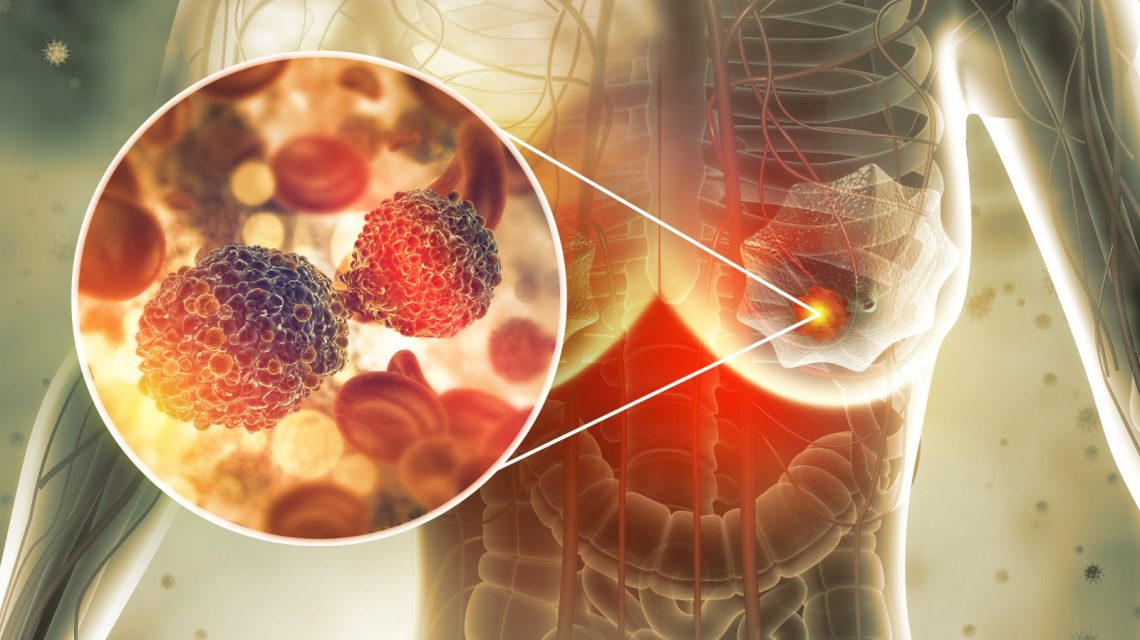
Researchers have made significant progress in understanding how dense breast tissue contributes to cancer development. Dense breast tissue often harbors breast cancer, complicating screening efforts and increasing cancer risk. Women with this tissue type are frequently called back for additional appointments after mammograms. According to the Mayo Clinic, dense tissue appears as solid white on a mammogram, making detection challenging. It also raises the likelihood of developing breast cancer.
A team at UC San Francisco has identified a mechanism that might explain why individuals with dense tissue face a higher risk of breast cancer. Dense tissue is stiffer than normal tissue, attracting immune cells to the breast. These cells release chemicals that mutate DNA, increasing cancer risk, as reported by Medical Xpress. DNA damage in nearby cells heightens the risk of cancer.
For years, medical professionals have used this knowledge to detect cancer after it forms. But the new research suggests the possibility of preventing this effect. Mary-Kate Hayward, the study’s first author, explained to Newsweek that they have identified how the stiffness of dense tissue changes the behavior of immune cells known as macrophages. These cells release reactive chemicals that cause DNA damage, potentially leading to cancer.
How the Study Unfolded
The study, published in Cancer Cell, involved analyzing breast tumor samples, assessing tumor stiffness, and capturing microscopic images of collagen, which makes tissues stiffer. Researchers found that stiffer tumor areas contained more collagen, scarring, macrophages, and DNA mutations. They also discovered elevated STAT3 in these areas, a signaling pathway linked to cancer growth.
The researchers used different gels to grow tumors, then applied mouse models to observe the impact. In a stiff environment, breast cells activated STAT3, attracting macrophages, which seem to aid cancer proliferation. On stiff gels, macrophages generated reactive oxygen species (ROS), a cancer hallmark. Although ROS are short-lived, it was unclear how they reached and damaged nearby cells.
Further investigation revealed that ROS-caused oxidative damage turned fats in the macrophages into DNA-damaging chemicals capable of moving to nearby cells. Hayward told Medical Xpress that macrophages produced chemicals damaging DNA within the tissue itself. Further experiments confirmed that dense, stiff breast tissue contained more macrophages, aldehydes, DNA damage, and advanced disease.
The next step for researchers is to explore drugs that prevent aldehyde formation in macrophages. Hayward told Newsweek that targeting these damaging chemicals might enable prevention of cancer in high-risk tissue before tumors can form.
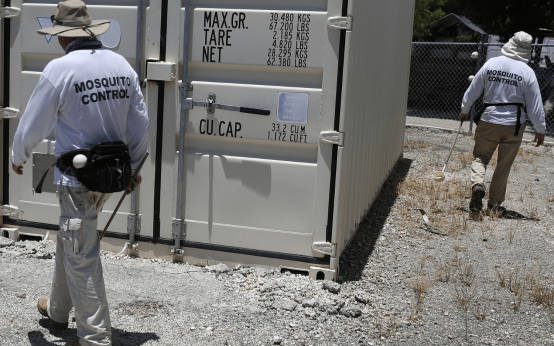 Florida Reports First Dengue Fever Death as Outbreak Expands
 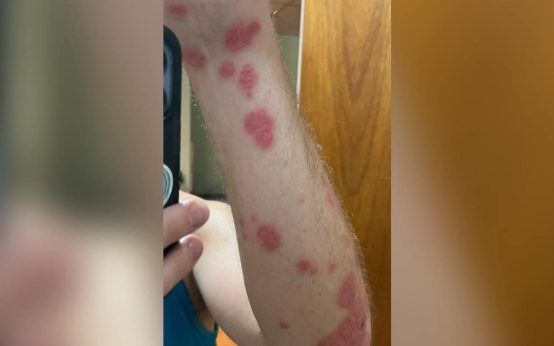 Florida Man Claims ‘Lion Diet’ Transformed Health and Life
  Concerns Over Food Safety and Its Impact on Families
  A Mother’s Tragic Journey Under Abortion Ban
  Medical Diagnosis Errors: Understanding the Crisis
  Lymphatic Drainage and Ice Sculpting: Emerging Wellness Trends