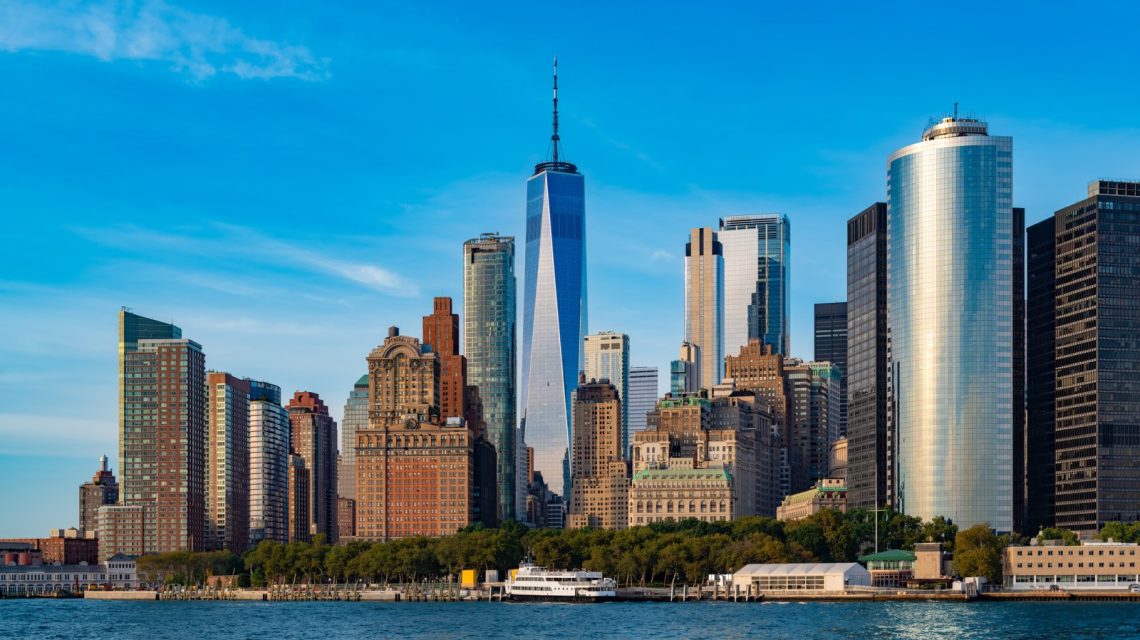
The first time my partner saw New York City, the bustling streets of Lower Manhattan made a strong impression. Emerging from Fulton Street subway station, the vibrant city came alive instantly.
For many, a visit to New York City feels like stepping into a film set. Its streets and sites are familiar from countless movies and shows. But for me, it’s home, having grown up across three boroughs, including Lower Manhattan. My high school years at Stuyvesant High School were spent near the World Trade Center area.
Personal Memories of 9/11
I vividly remember learning about the September 11 attacks during a philosophy lecture at Binghamton University. Immediately, I tried to contact my family in New York City. Stuyvesant High School became an emergency triage center just after 9/11. Students studied in alternate locations before the school reopened. Visiting the area before the 9/11 anniversary felt surreal, recalling how familiar spaces served crucial roles after the attacks.
Returning to familiar sights, like the New Amsterdam Library and Century 21 department store, was comforting. Yet, the neighborhood’s feel had significantly changed since my school days.
The Changing Face of Lower Manhattan
Previously, Lower Manhattan’s Financial District primarily hosted office workers. After 9/11, the area became desolate as businesses left, driven away by toxic air. Dana Tamuccio, a Lower Manhattan historian, notes that residential development was key to the area’s recovery. She lost a sibling in the attacks and has a deep connection to the neighborhood.
In recent years, office-to-residential conversions, such as those on Broad and Water Street, have transformed the district. Teresa Stephenson, from Platinum Forbes Global Properties, highlights these changes. Luxury towers like The Greenwich have also emerged, contributing to redevelopment.
In 2020, Manhattan’s Community District 1 saw a 28.6% population increase since 2010. Today, Lower Manhattan houses approximately 70,000 residents. The Financial District is one of the most sought-after areas in New York, with a 46.7% rise in home search interest between 2024 and 2025.
A Vibrant Community Rises
The influx of residents has led to a flourishing community. Restaurants and shops have followed, creating a lively 24/7 area. New York artist Tom Christopher observes that the district is now a genuine neighborhood, where people live, dine, and create, not only work.
The area offers more than the Westfield shopping center. Hip spots like Blank Street coffee and Leon’s Bagels dot the streets. Eateries like Koba, serving authentic Korean barbecue, add international flavors. Close by, peaceful public spaces offer respite amidst urban life.
These developments have drawn both residents and visitors. Lower Manhattan welcomed 8.1 million tourists in 2025, up 244% from 2020. New hotels, like the W New York Downtown and the Four Seasons, have opened, welcoming more tourists.
Tamuccio views the area’s revival as proof of New York’s resilience. Christopher believes cultural patriotism has grown, remarking on how New York rebuilt and thrived.
For me, revisiting Lower Manhattan underscores how the city remains a constant, comforting fixture, much like an old friend or family member. It adapts and perseveres no matter the challenges it faces.
 Nikole Hannah-Jones Reflects on Educational Choices for Her Daughter
  Life and Challenges at Chennai’s Kasimedu Fishing Harbour
  Chicago Bears Eye Potential Move to Indiana: A Look at the Developments
  Amazon Offers Discounts to Employees at Whole Foods
  Inside the American Airman Rescue Mission in Iran
  Trump Comments on China’s Surveillance Amid Reports of Aid to Iran