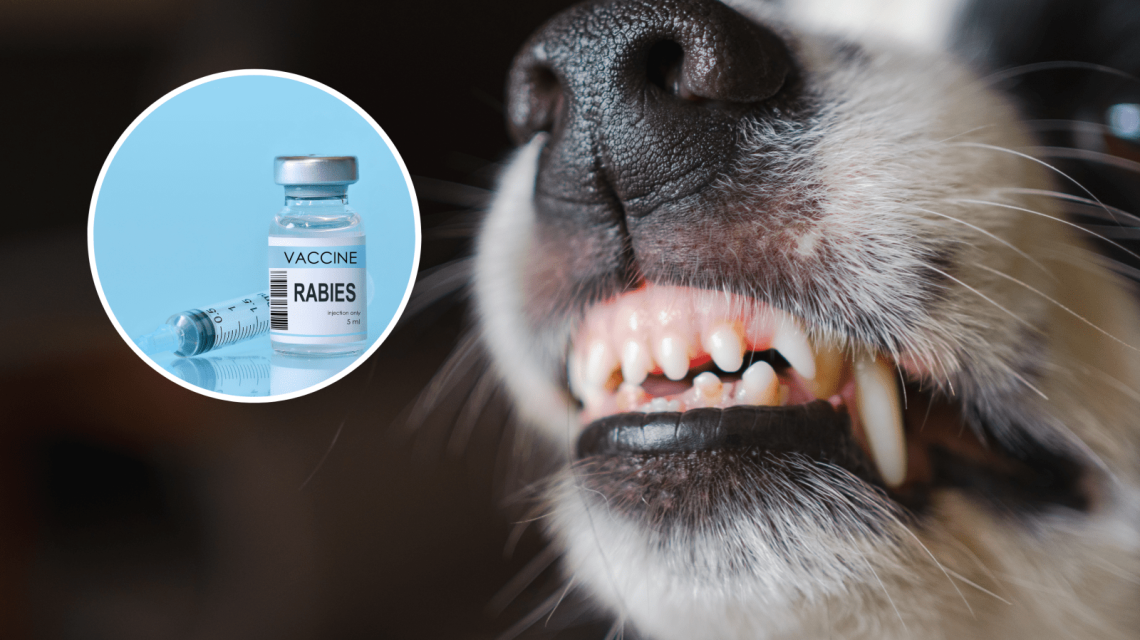
CDC Alerts Increase in Rabies Exposure
The U.S. Centers for Disease Control and Prevention (CDC) has issued a nationwide health advisory due to a significant increase in reported rabies exposures. A rise in the use of post-exposure treatment (PEP) follows several incidents involving potentially rabid animals. These incidents have exposed hundreds of individuals across multiple states.
The CDC’s September 10 advisory indicated a 17% rise in rabies-related inquiries during July and August 2026 compared to the same period in the previous year. Furthermore, eight state health departments reported increased PEP use, administration errors, or both.
“There is no shortage of human rabies vaccine or immunoglobulin currently in the U.S. However, correct PEP administration is crucial. Errors could lead to unnecessary treatment, adverse effects, and avoidable costs,” stated the CDC in its update.
Unusually Large Exposure Events
Local health departments are responding to unusually large exposure events, such as one in North Carolina linked to rabid baby goats. These goats traveled with a mobile petting zoo and potentially exposed hundreds of people.
Recent reports indicate a nationwide increase in human exposure to rabid, or potentially rabid, animals. Animals traditionally associated with rabies including bats, raccoons, skunks, and foxes have been involved. Non-traditional carriers have also played a role.
North Carolina Outbreak
In North Carolina, rabid baby goats from a mobile petting zoo tested positive for rabies. Nearly 300 people possibly interacted with these animals at various events and gatherings. Over 200 individuals were advised to undergo post-exposure treatment.
The event attracted attention due to the large number of exposed individuals. The goats were reportedly unvaccinated, infected after a bite from a rabid skunk.
No single cause for the national increase in exposures has been identified. The CDC notes multiple local outbreaks, public awareness, increased testing, and spikes in infected wildlife as contributing factors.
Understanding Rabies Symptoms in Humans
Rabies is a viral disease attacking the central nervous system. It is nearly always fatal once symptoms begin but preventable if treated before symptoms develop.
Initial symptoms resemble other illnesses: fever, headache, weakness, fatigue, nausea, and sore throat. As the disease progresses, symptoms worsen to include confusion, anxiety, hallucinations, difficulty swallowing, excessive salivation, paralysis, and coma. Once neurological symptoms appear, rabies is typically fatal despite intensive care.
Human Rabies Treatment
The CDC emphasizes timely treatment. After potential exposure, an assessment of risk is crucial. This depends on the type of animal and contact nature.
If treatment is needed, patients receive PEP. Treatment involves immediate wound cleansing, human rabies immune globulin (HRIG) for immediate antibodies, and a series of rabies vaccine doses.
For most, the treatment consists of four vaccine doses over two weeks. Immunocompromised individuals may require a fifth dose and additional testing for sufficient immune response.
Proper administration of HRIG and vaccine is essential. Rising treatment demand has raised concerns about dosing errors.
Side Effects and Costs of Rabies Treatment
Rabies treatment, while lifesaving, may have side effects. Most are mild and temporary, such as soreness, redness, or swelling at the injection site. Some report headache, fatigue, nausea, dizziness, or muscle aches. Serious reactions are uncommon. The benefits of treatment outweigh risks since rabies is almost universally fatal once symptoms develop.
The cost of rabies treatment is high, between $11,000 and $14,000 per person. Costs vary based on location, insurance, and required immune globulin, determined by body weight. Inappropriate treatment increases costs for patients and strains health system resources. However, financial concerns should not delay medical evaluation after potential exposure.
Animals Posing Greatest Rabies Risk to Humans
Bats are a significant source of human rabies infections in the U.S. Recent deaths are often linked to bat exposures. Other wildlife, such as raccoons, skunks, and foxes, act as rabies reservoirs in different regions.
Domestic animals, including cats, can become infected. Livestock like cattle, horses, and goats can contract rabies from wildlife bites.
The CDC advises avoiding direct contact with wildlife and any mammal behaving unusually. Animals with rabies may not appear sick. Prompt medical evaluation is essential after any potential exposure.
 Lymphatic Drainage and Ice Sculpting: Emerging Wellness Trends
  The Rising Trend of GLP-1 Medications Among College Students
  The Challenges and Opportunities of Testosterone Therapy for Menopausal Women
  Concerns Rise Over NIPSCO Permit In Jasper County
  Long-Term Health Impacts of 9/11 and the Continuing Response
  Mental Health Challenges for Women with Type 2 Diabetes