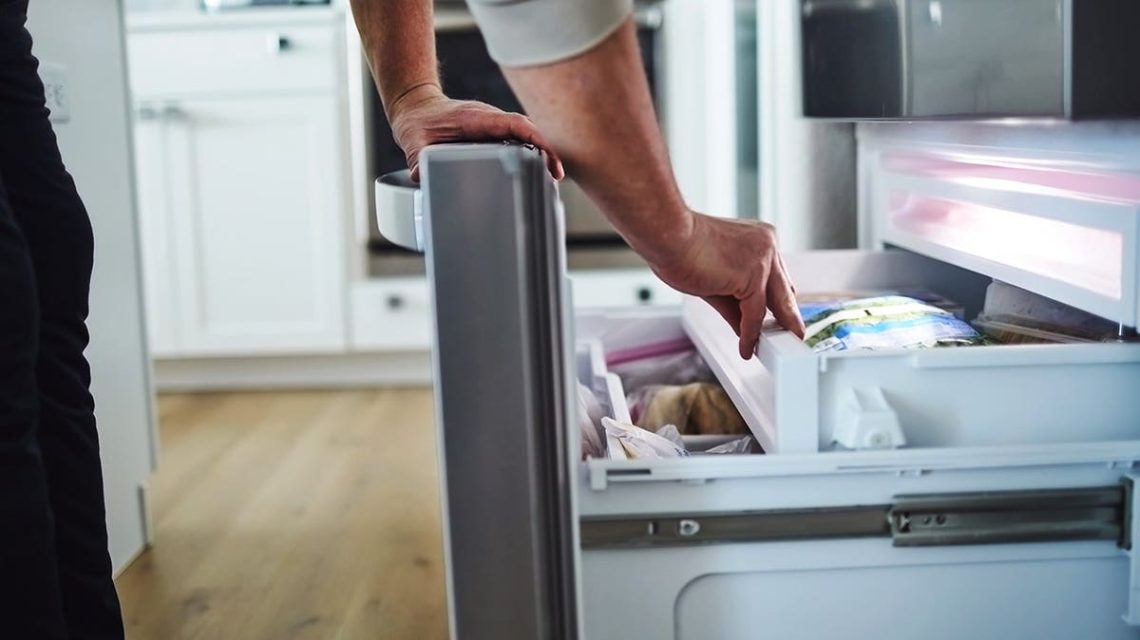
The freezer helps extend the life of food, yet some kitchen essentials are better off stored elsewhere. Freezing affects the texture, flavor, and quality of certain foods.
Changes Caused by Freezing
Chef Dennis Littley explains how freezing alters food texture. Water inside food becomes ice crystals, changing its composition. He advises that just because food can be frozen, it doesn’t mean it should be.
Foods Better Stored Outside the Freezer
1. Cheese
Though cheese can be frozen, it often becomes crumbly or grainy after thawing. Softer cheeses show more noticeable changes. To maintain quality, keep cheese well wrapped in the refrigerator and purchase what you can use fresh.
2. Cooked Pasta
Cooked pasta may soften when frozen and thawed. Creamy sauces might separate. Littley suggests refrigerating leftovers of creamy pasta dishes to consume within days.
Heartier pasta dishes like baked varieties fare better in the freezer.
3. Cured Meats
Cured meats such as prosciutto and salami can be frozen but may lose texture and flavor. This change is evident in sandwiches and charcuterie boards, where texture is key. Keep these meats wrapped in the fridge and use them soon after opening.
4. Wine
Littley strongly advises against freezing wine. Freezing causes liquid expansion, potentially damaging the bottle or cork. It also affects the wine’s flavor and aroma. Store opened wine in the refrigerator, including red wine. Warm red wine to appropriate serving temperature before consuming.
While freezing extends the life of many items, some foods and drinks require proper storage to maintain their quality. Littley notes that some dishes freeze well, yet not all will retain desired properties after thawing.
 Summer’s Major Disappointments and Season Preferences
  The Shofar: A Symbol of Healing and Redemption
  Family Mourns the Loss of Presley Gerber
  Pickle-Flavored Snacks Surge in Popularity: A Social Media Driven Craze
  Wedding Photographer’s Unexpected Amazon Purchase
  Unsupervised Play: The Benefits Over Commercialized Youth Sports