
On September 8, 2026, discussions around President Trump’s tariff policies became central in key congressional races. As voters prepare for the midterm elections, the tariffs imposed have significantly influenced campaign narratives and voter concerns.
Analyzing the Impact
Geoff Bennett engaged in a conversation with Lisa Desjardins, a seasoned congressional correspondent, to explore how these policies are affecting the midterms. Desjardins, known for her in-depth coverage from the U.S. Capitol, has been traveling across the country. Her reports focus on how the legislative decisions made in Washington directly impact everyday lives.
Voter Sentiments and Campaigns
Voter sentiment regarding the tariffs appears to be a major factor shaping the election landscape. Some constituents have expressed concerns about the implications for local economies and job markets. Candidates in various districts are tailoring their platforms to address these issues, highlighting their stances on trade and economic policy.
Understanding the complexities of these policies and their tangible effects on communities has been a priority in Desjardins’ reporting. Her work underscores the broader implications of governmental decisions on citizens across the nation.
Continued Analysis Ahead of Elections
As the elections approach, the discourse surrounding tariff policies remains dynamic. Both political parties are intensifying their efforts to sway voters by addressing the economic challenges posed by these tariffs. The outcomes of the midterms could hinge on how effectively candidates communicate their plans to navigate the fiscal landscape shaped by current trade policies.
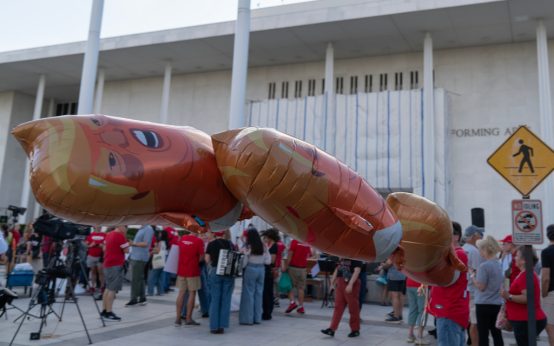 Trump Administration Sparks Outrage by Threatening Kennedy Center Closure
 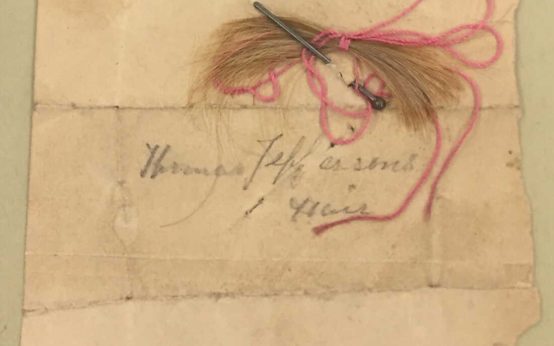 DNA Investigation Confirms Thomas Jefferson’s Lineage
  Laura Loomer’s Predictions and Poll Insights on Midterm Elections
  Voter Sentiment Against President Rises in Recent Poll
  Media Backlash Against Trump’s Press Exclusions
  U.S. Considers Belarus for Potash Purchases to Cut Fertilizer Costs