
The possibility of a major war raises concerns about the ability of the United States to finance and sustain such conflicts. As global tensions simmer, questions arise about potential future threats, including a possible invasion of Taiwan by China, defense needs for NATO against Russia, and tackling terrorism in the Middle East or Africa. These scenarios highlight the urgency of preparing for unforeseen contingencies.
Budget Constraints and Defense Spending
The federal budget is not adequately prepared for significant military engagements. The size of the current deficit suggests that the U.S. is already under significant financial strain. Borrowing to support a prolonged military conflict could exacerbate these fiscal challenges, further threatening national security.
Michael Mullen, a former Chairman of the Joint Chiefs of Staff, once emphasized the serious threat posed by national debt to security. This warning was made when the debt was substantially lower than today, highlighting the increasing urgency of managing financial resources effectively.
Defense Spending Over the Years
Historically, defense constituted the majority of federal spending. Following major wars, the debt-to-GDP ratio peaked, but later decreased when the need for debt diminished post-conflict. This trend has changed, with non-defense spending now surpassing military expenditures.
In 1945, defense spending made up 90 percent of the federal budget. During the Vietnam War, it ranged from 35 to 50 percent. After the Cold War, in 1999, defense dropped to 16 percent despite ongoing conflicts in Afghanistan and Iraq. Currently, defense accounts for 13 percent of federal outlays, with projections suggesting it will fall further by 2035.
Rising Costs of Military Forces
The U.S. defense budget exceeds that of other nations partly due to higher wages for an all-volunteer military force. The absence of a draft means the military competes for talent with private sector employers, making personnel compensation a significant budget component.
Approximately 40 percent of the Pentagon’s budget is dedicated to personnel costs. Comparatively, U.S. compensation expenses surpass India’s entire defense budget. Legal requirements tie military pay raises to private sector rates, ensuring sustained growth in payroll expenses.
Modernization Needs and Future Challenges
Delayed modernization efforts necessitate simultaneous rejuvenation of conventional forces and nuclear deterrents. Current nuclear triad components rely on outdated technology. Conflicts like those in Iran stretch military resources, highlighting the urgency for advancements.
Emerging Technologies and Strategic Efficiency
Future needs, including drone warfare based on Ukraine’s experiences, demand agile procurement systems. Quick technology obsolescence and the need for large quantities of drones add costs without replacing expensive traditional weapons.
The Pentagon can improve efficiency, though being a large bureaucracy, it faces challenges typical of government entities. A less competitive defense market further impedes cost effectiveness.
Perspective on Defense and Debt
Despite these issues, defense spending isn’t the primary cause of national debt growth. CBO projections suggest defense budget expansion will lag behind economic growth, potentially reducing the debt-to-GDP ratio.
For context, the cost of a Gerald R. Ford-class aircraft carrier is similar to three days of Social Security expenditures. Small-caliber weapons costs in 2025 are less than four hours of Social Security spending. The lifetime cost of the F-35 program is less than recent Medicaid and Social Security expenditures.
Washington’s fundamental duty involves national defense, with governments expected to accumulate debt during wars and lessen it in peacetime. Maximizing debt in times of peace compromises defense preparedness, posing risks to national security.
 The Impact of Arts and Closure on Democracy
 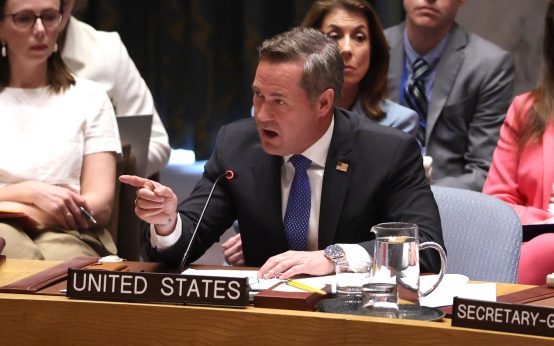 U.S. Ambassador Comments on Iran War Duration Amid Political Concerns
 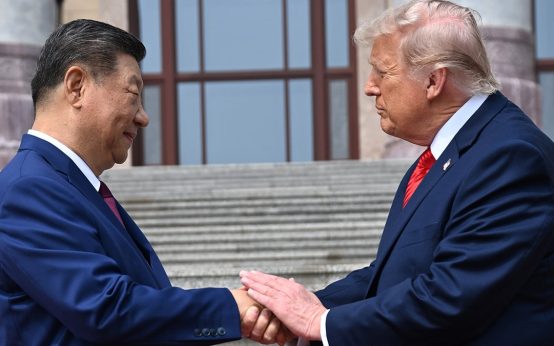 US-China Relations Under Scrutiny: Expert Warns of Escalating Tensions
  No Timeline for End of Iran Conflict
  German Chancellor Merz Vows to Pursue Reforms Despite Election Setbacks
 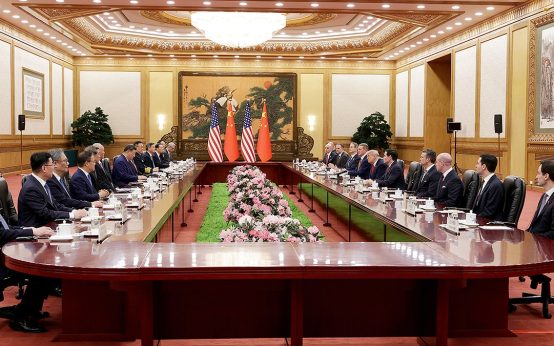 The Technology Rivalry: Trump’s Meeting with Xi and the AI Ecosystem Clash