
The U.S. House of Representatives approved a bill on Tuesday that extends government funding, allowing the hemp industry more time to combat a potential ban on its products. The continuing resolution, which funds the government until December 11, was passed with a vote of 370-48, opposed by 19 Republicans and 29 Democrats. A month-long delay of the federal ban on most hemp-derived THC products, like gummies and beverages, is included in the measure.
The Senate had previously advanced the measure, and it now awaits President Trump’s signature. This legislation is seen as a victory by the hemp industry and its allies, who believe it will provide them with additional time to advocate for regulation rather than prohibition.
“This extension gives us one additional month, and we intend to make every day count. We will continue working with lawmakers and stakeholders to advance a comprehensive federal framework that protects consumers, prevents youth access to intoxicating products, provides certainty for farmers and businesses, and preserves access to lawful hemp products,” stated the U.S. Hemp Roundtable in a message to its members.
The measure does not cover products containing cannabinoids that cannot naturally occur in a Cannabis sativa L. plant. Products from China likely fall under this exclusion. However, cannabinoids such as delta-8 THC, delta-10 THC, and THCP, which can be synthetically derived from hemp but are also naturally occurring, will remain available in retailers like gas stations and smoke shops until at least December 11.
Opponents of the delay argue it is important to protect young people from products marketed to children under the guise of being hemp. These products often contain significant levels of synthetic THC, the compound in marijuana responsible for its psychoactive effects.
The White House has emphasized the importance of either delaying or resolving the hemp ban issue, indicating a strong likelihood of regulatory framework legislation being pursued this winter. Administration officials recently informed lawmakers that they do not plan to request another delay.
Other notable healthcare news includes a recall by Panorama Produce, recalling over 300 boxes of potentially salmonella-contaminated mangoes in New York, New Jersey, Connecticut, and Pennsylvania. President Trump announced the appointment of Darrell Scott as a tobacco health advisor at the CDC.
In political healthcare action, Reproductive Freedom for All is targeting Senator Susan Collins with a $250,000 campaign, challenging her 2018 vote to confirm Justice Brett Kavanaugh, a member of the majority overturning Roe v. Wade.
Elsewhere, the CDC is contesting two measles deaths reported by Pennsylvania, excluding them from its official count, marking a significant deviation from routine practice.
Local healthcare developments show Texas dealing with a Medicaid application backlog exceeding 210,000 cases. A federal grant has enabled the introduction of mental health services in schools across six North Carolina districts. Michigan faces a significant shortage of healthcare workers in nearly every field.
Stay informed with further updates on politics and healthcare sent directly to your inbox.
 U.S. Considers Belarus for Potash Purchases to Cut Fertilizer Costs
 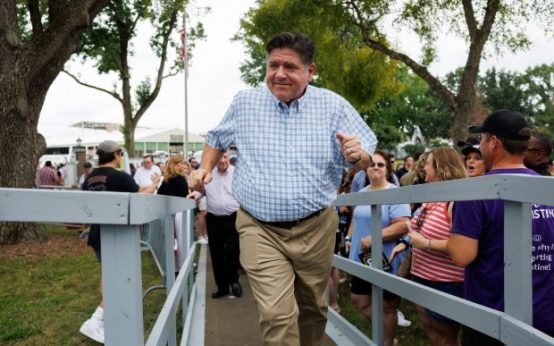 Gov. JB Pritzker Reveals Type 2 Diabetes Diagnosis and Weight Loss Journey
  Trump’s Media Ban Affects Event Coverage
 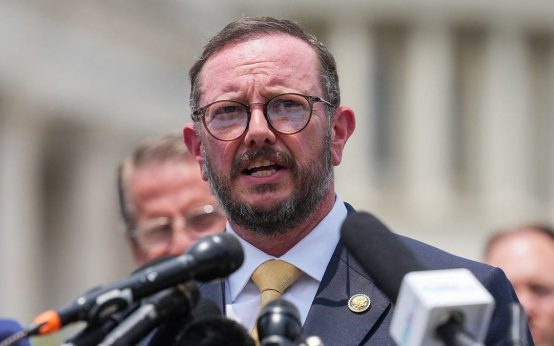 A Critical Perspective on National Spending and Healthcare from Representative Eric Burlison
 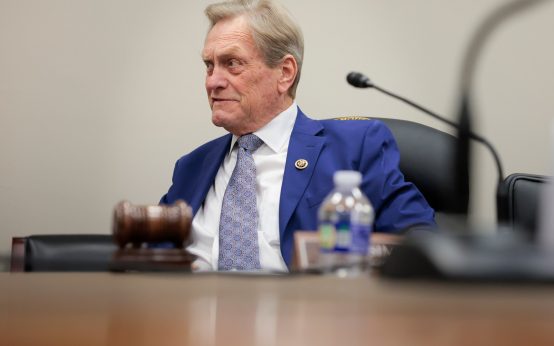 House Republican Criticizes Funding for Trump’s Arch Proposal
 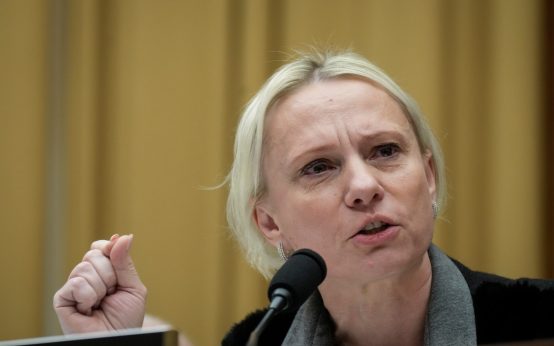 House Bill Proposes Dual Benefits for Combat-Injured Veterans