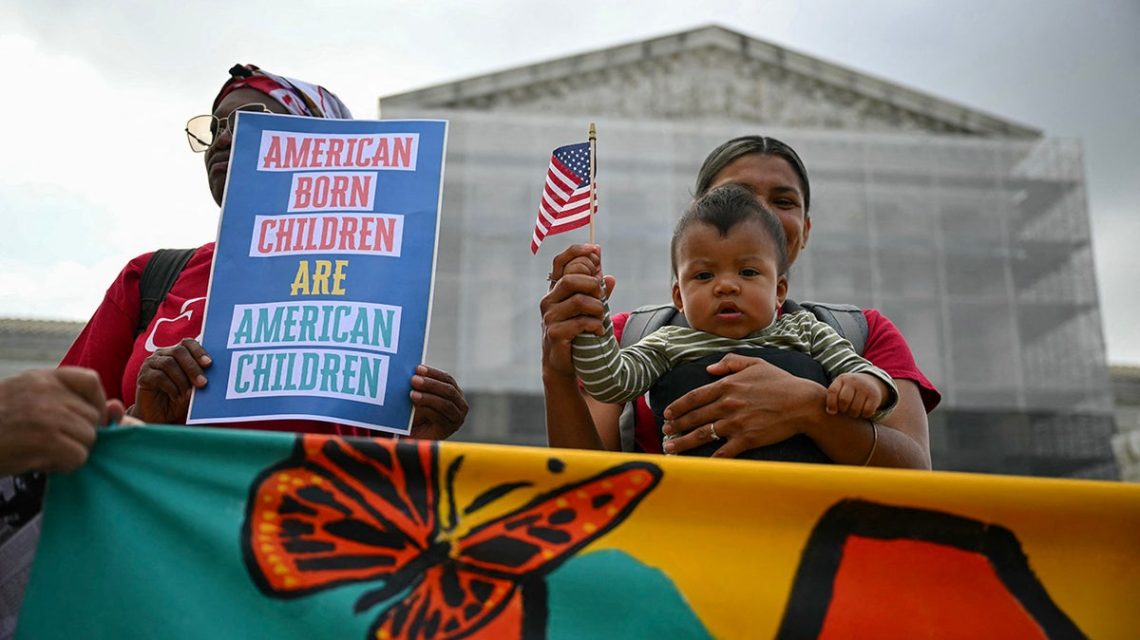
Conservative legal experts have assessed President Donald Trump’s latest actions to restrict birthright citizenship and curb birth tourism. These new efforts may have stronger legal backing than previous attempts.
In June, the Supreme Court ruled 6-3 that children born in the U.S. to parents who are unlawfully or temporarily present are citizens under the 14th Amendment. Following this, Trump issued two executive orders aimed to approach citizenship and birth tourism more narrowly.
The first order, signed on August 6, directs federal agencies to withhold documents that recognize citizenship from some children born to parents who are not U.S. citizens. This includes children whose parents are part of designated foreign terrorist organizations, are foreign-government employees, or are involved in transactions to obtain birthright citizenship fraudulently.
Experts from organizations like the Manhattan Institute, America First Legal, and the America First Policy Institute argue that Trump’s new order is narrower and relies on longstanding exceptions to birthright citizenship.
The Supreme Court has acknowledged exceptions to the 14th Amendment’s birthright citizenship clause for children of invading armies or ambassadors. According to Chad Mizelle from the America First Policy Institute, the Supreme Court recognizes certain aliens as exceptions.
The 1898 Supreme Court case United States v. Wong Kim Ark identified exceptions for children of diplomats and alien enemies born during hostile occupations. Trump’s order argues that foreign terrorist organization members can fall within these exceptions.
Ilya Shapiro from the Manhattan Institute explains Trump’s order addresses classic exceptions to birthright citizenship, including those affiliated with foreign governments or hostile military occupations.
However, David Bier of the Cato Institute argues that redefining alien enemies without Congressional approval could lead to legal challenges. Bier contends that the president deciding who is subject to U.S. jurisdiction is an unprecedented power assertion.
Bier suggests this case is a test of executive power rather than birthright citizenship.
Amanda Frost from the University of Virginia School of Law points out that the Wong Kim Ark case specifies exceptions only for children of enemies occupying U.S. territory. Trump’s order, in her view, does not apply to terrorists merely residing in the country.
The issue of legal standing may arise for challengers to Trump’s order, requiring a concrete injury caused by the executive order. Gene Hamilton from America First Legal is interested to see who might have standing.
Trump’s orders are already facing legal challenges. Opponents argue the new order creates unlawful exceptions that contradict the Supreme Court’s ruling.
The second executive order directs the State Department and Department of Homeland Security to deny travel visas or pursue removal actions against individuals suspected of birth tourism—a practice where noncitizens enter the U.S. to give birth and secure citizenship for their children.
Hamilton describes this order as legally sound, invoking Section 215(a) of the INA to impose visa conditions. He emphasizes that visa granting is a sovereign right without constitutional entitlement.
Critics note the government already has measures to combat birth tourism through existing State Department rules.
If Trump’s administration’s efforts fail, supporters of limiting birthright citizenship may turn to Congress or propose a constitutional amendment, requiring state approval.
Despite legal challenges, Shapiro notes the administration’s firm standing if it had initially pursued more targeted actions.
The White House has not commented on these developments.
 Trump’s Media Ban Affects Event Coverage
 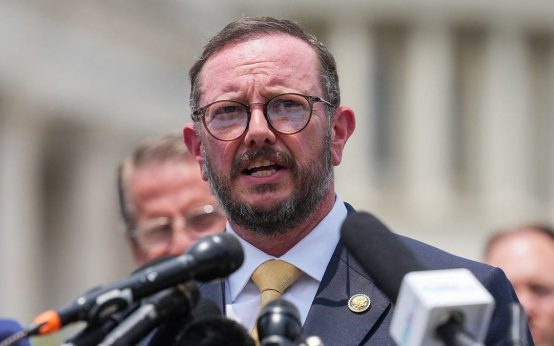 A Critical Perspective on National Spending and Healthcare from Representative Eric Burlison
 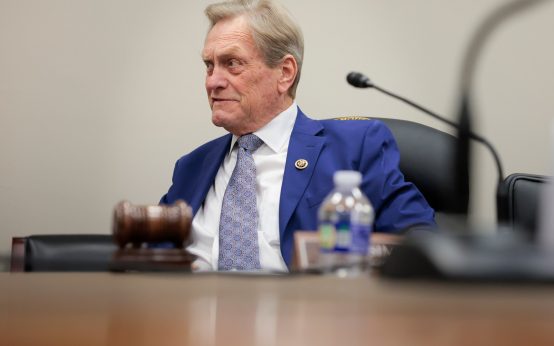 House Republican Criticizes Funding for Trump’s Arch Proposal
 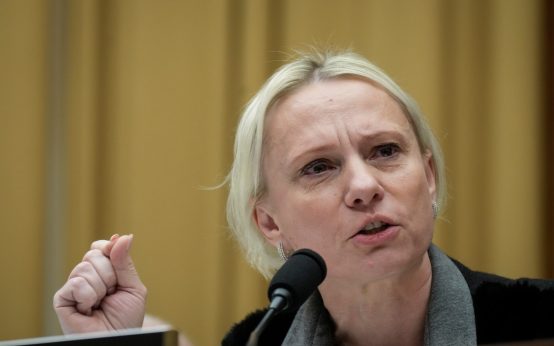 House Bill Proposes Dual Benefits for Combat-Injured Veterans
 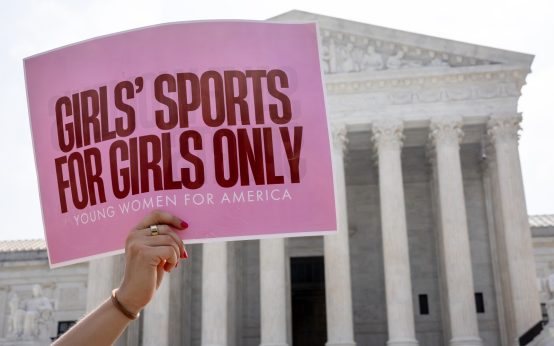 Democrats Navigate Transgender Athlete Debate Amid Midterm Elections
 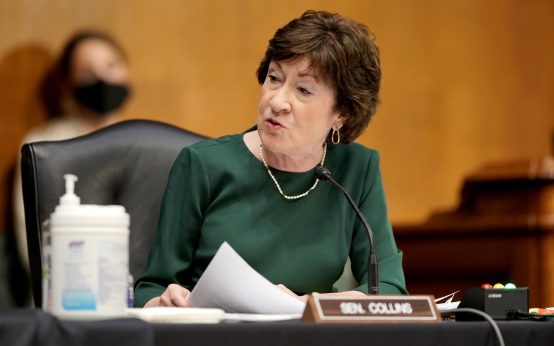 Senator Collins Warns Against Politicization of NIH Grant Funding