
The World Health Organization estimates that in 2026, almost 11 million individuals will contract the virus responsible for measles. While the majority of cases will take place in Africa and Asia, numerous countries in the Americas and Europe are also facing outbreaks impacting thousands.
Factors contributing to these outbreaks include low vaccination rates, which allow a few cases to escalate into large epidemics. In regions where immunization coverage is low, measles can spread rapidly, affecting many people. Health authorities are working tirelessly to control these outbreaks, but the challenge remains significant due to varying vaccination practices globally.
Efforts to increase vaccination coverage are crucial. Public health campaigns aim to educate communities about the importance of immunization. By improving awareness, health officials hope to encourage higher vaccination rates, which can prevent outbreaks from occurring. Controlling the spread of measles depends on effective vaccination strategies and public cooperation.
 Understanding School Shooting Preparedness Drills
  The War on Poverty: A Lesson on Intentions and Outcomes
 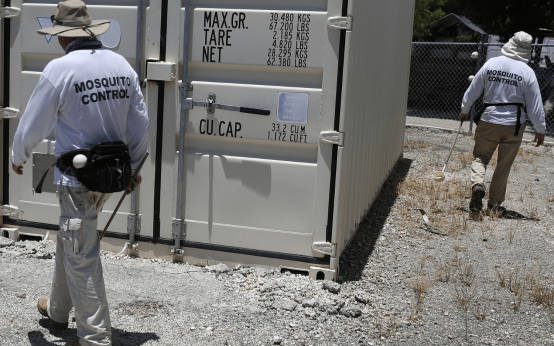 Florida Reports First Dengue Fever Death as Outbreak Expands
  Federal Relief Funds Used for Anti-Racism Training in Albuquerque Schools
 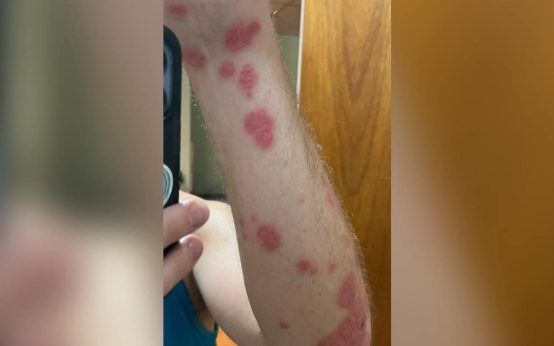 Florida Man Claims ‘Lion Diet’ Transformed Health and Life
  Concerns Over Food Safety and Its Impact on Families